

By: Emmanuel Anyigba

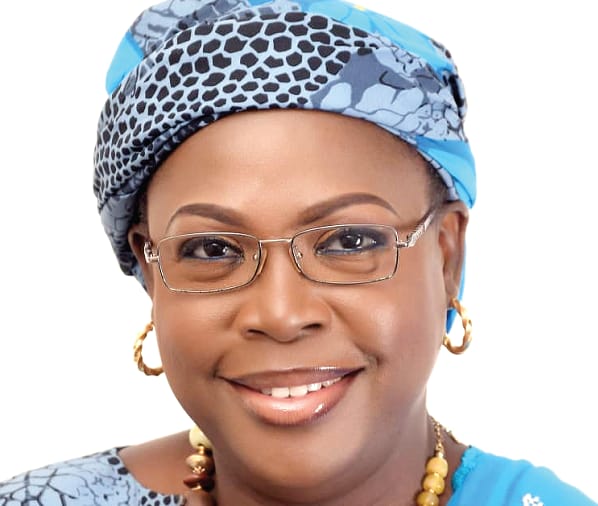
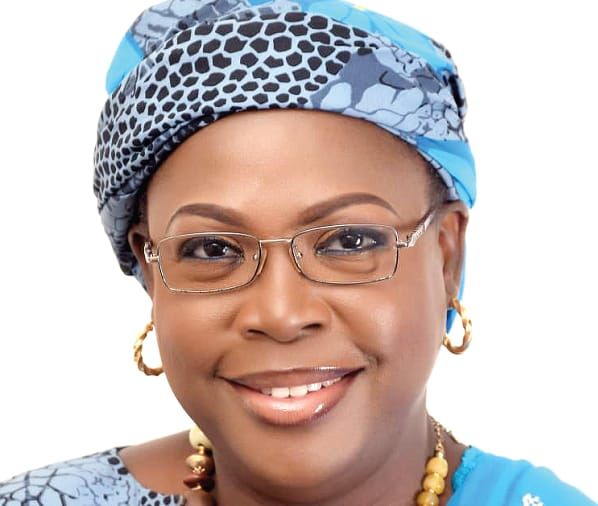
THE MEMBER of Parliament for the Salaga-South Constituency, Hon. Zuwera Mohammed Ibrahimiah, has called for strengthened systems, adequate funding, and greater citizen responsibility to address Ghana’s persistent environmental sanitation challenges.
Contributing to a debate on the floor of Parliament, Hon. Ibrahimiah noted that engagements with key stakeholders—including government institutions and private sanitation service providers—have consistently revealed inadequate financial resources as a major obstacle to effective sanitation delivery.
She observed that while Ghana often cites sanitation best practices from countries such as Rwanda, the real difference lies in the efficiency of their systems and the clear delineation of roles among all actors.
According to her, beyond discussions on recruiting and deploying environmental sanitation workers, there must be a national reflection on the responsibilities of individual citizens.
Hon. Ibrahimiah stressed that leadership in sanitation must begin with Members of Parliament themselves. She encouraged simple but impactful actions, such as keeping used plastic bottles in bags until proper disposal and refusing to litter.
Citing Rwanda as an example, she said citizens there do not litter—even in the absence of police enforcement—because of a strong civic attitude supported by effective systems.
She further emphasized the importance of accurate household data in maintaining a clean environment. In Rwanda, she explained, sanitation systems are inclusive, with households making regular payments for waste management services.
In contrast, Ghana lacks reliable data to support structured payment systems, such as monthly collections through mobile money platforms.
As a result, she lamented, many households depend on informal waste collectors, popularly known as aboboyaa, who operate without standardized pricing—an arrangement she described as a significant weakness in Ghana’s sanitation management framework.
The Salaga South MP urged authorities to take bold and decisive action, saying it was time to “hold the bull by the horns” in tackling sanitation challenges.
She pointed to Rwanda’s commitment to protecting its portion of a shared lake with the Democratic Republic of Congo, where permanent patrols are maintained to prevent pollution despite the high costs involved.
According to her, such interventions reflect a responsive system that prioritizes environmental protection and the well-being of citizens.
Source: Nationaltymes.com