



By: Emmanuel Anyigba

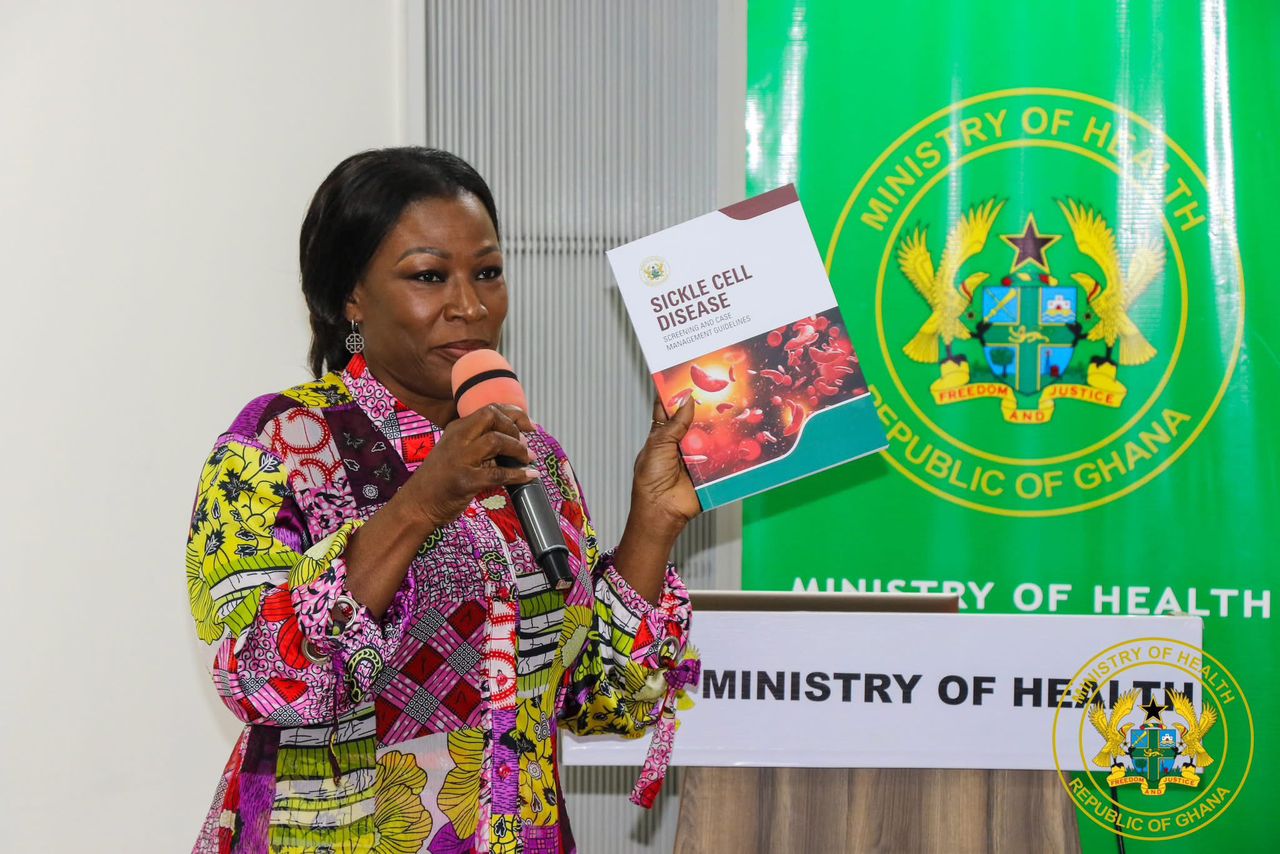
THE MINISTRY of Health has launched the National Sickle Cell Disease Screening and Case Management Guidelines, marking a significant milestone in efforts to strengthen the prevention, early detection, and management of sickle cell disease in Ghana.
Developed through extensive public consultations and multi-stakeholder collaboration, the Guidelines provide a coordinated national framework for implementing effective interventions.
The aim is to reduce the burden of sickle cell disease through comprehensive and integrated healthcare services, public education, research, and preventive strategies.
Speaking at the official launch, the Deputy Minister for Health, Prof. Dr Grace Ayensu-Danquah, described the initiative as a major advancement in Ghana’s response to non-communicable diseases.
She noted that sickle cell disease affects approximately two per cent of all newborns in the country—about 18,000 children each year. Many of these cases, she said, are diagnosed late, often only after the onset of severe pain crises, leading to avoidable complications and, in some cases, preventable deaths.
According to the Deputy Minister, the Guidelines—developed under the Non-Communicable Disease Policy and Strategy (2022) and the Sickle Cell Disease Strategy (2024–2028)—offer a standardised, evidence-based approach to screening, diagnosis, treatment, referral, and long-term follow-up at all levels of healthcare delivery.
She commended the technical experts and partners who contributed to the development of the Guidelines and urged health professionals, policymakers, civil society organisations, and development partners to work collaboratively to ensure their effective implementation.
Prof. Ayensu-Danquah emphasised that sustained cooperation and commitment will be critical to improving health outcomes and quality of life for people living with sickle cell disease in Ghana.
Source: Nationaltymes.com