


Nat’l Tymes News Desk

WHILE structural weaknesses persist, some economists say Ghana’s current economic management shows signs of relative improvement, particularly in exchange rate stability and fiscal discipline.
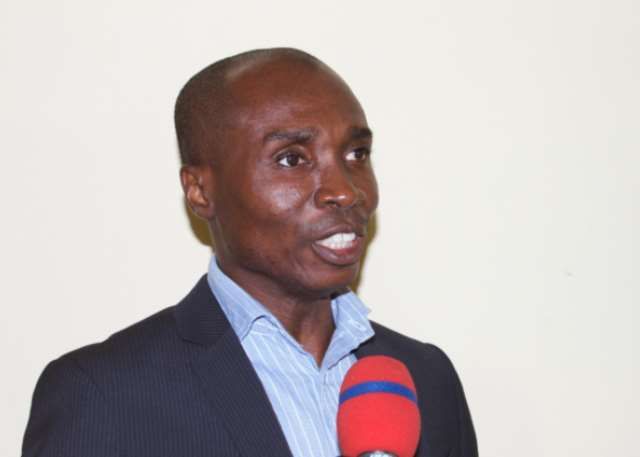
Patrick Asuming, Associate Professor at the University of Ghana Business School, explained that although fiscal consolidation—reducing government spending, remains important, the recent strengthening of the cedi appears largely driven by interventions from the Bank of Ghana. He cited the currency’s movement from about 14.9 to 10.3 against major currencies as evidence of the impact of such measures.
Speaking on Metro TV, he noted that Ghana is currently pursuing a strategy that combines expenditure restraint with a managed floating exchange rate system, but cautioned that the sustainability of this approach depends heavily on external factors such as gold prices and foreign reserves.
Prof. Asuming also pointed out that currency appreciation has mixed effects across the economy. While a stronger cedi can reduce the cost of imports, it may negatively affect local producers by making imported goods more competitive.
Using rice production as an example, he warned that cheaper imports could undermine domestic agriculture. He added that although lower prices may benefit consumers, it remains difficult to conclude that real incomes have improved.
Experts clarified that Ghana is experiencing disinflation, where prices are still rising but at a slower rate, rather than deflation. This means households continue to face cost-of-living pressures despite the slowdown in inflation.
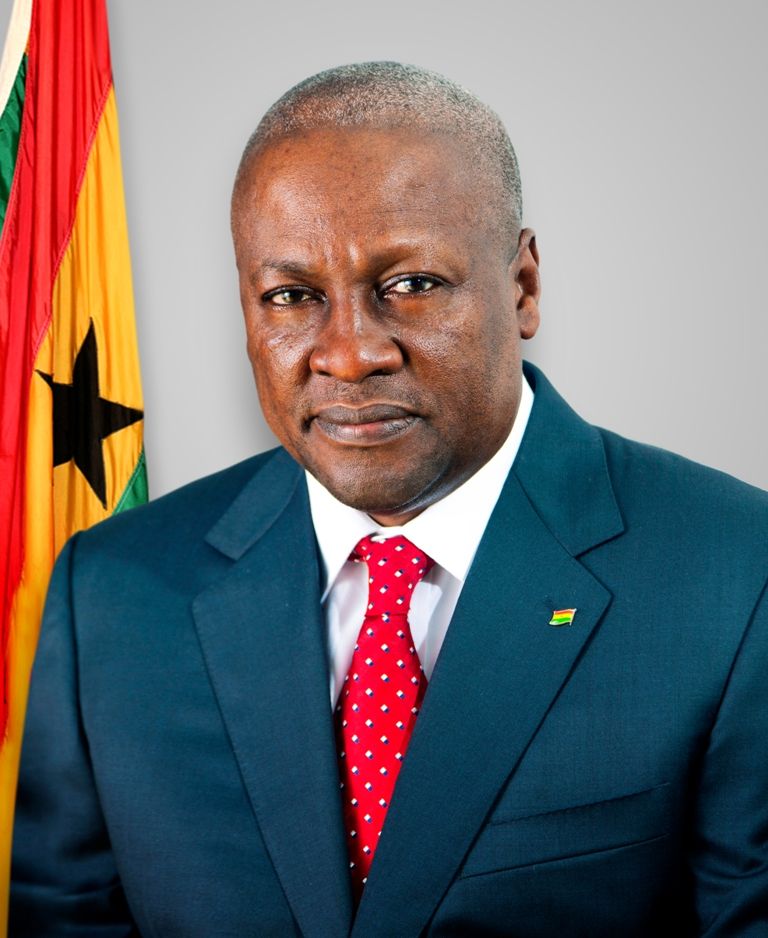
Some observers argue that current economic management under President John Mahama shows relative improvement compared to the previous administration of Nana Akufo-Addo and Vice President Mahamudu Bawumia.
They point to exchange rate stability and a stronger emphasis on expenditure control as signs of a more cautious fiscal approach, although the analysts caution that these gains remain fragile and heavily influenced by external conditions.
Despite differing views on recent performance, there is broad agreement among economists on the need for long-term structural reforms, including expanding local manufacturing, reducing import dependency, adding value to raw materials, and creating sustainable jobs.
They stress that without consistent and decisive policy action, Ghana will continue to face recurring economic shocks regardless of which administration is in power.
Source: Nationaltymes.com