



Nat’l Tymes News Desk

GHANA may face major challenges enforcing its newly approved motorcycle helmet standards due to a lack of local manufacturing capacity and the influx of substandard helmets into the country, Enoch Jengre Esq., Programmes Officer at the Legal Resource Centre, has said.
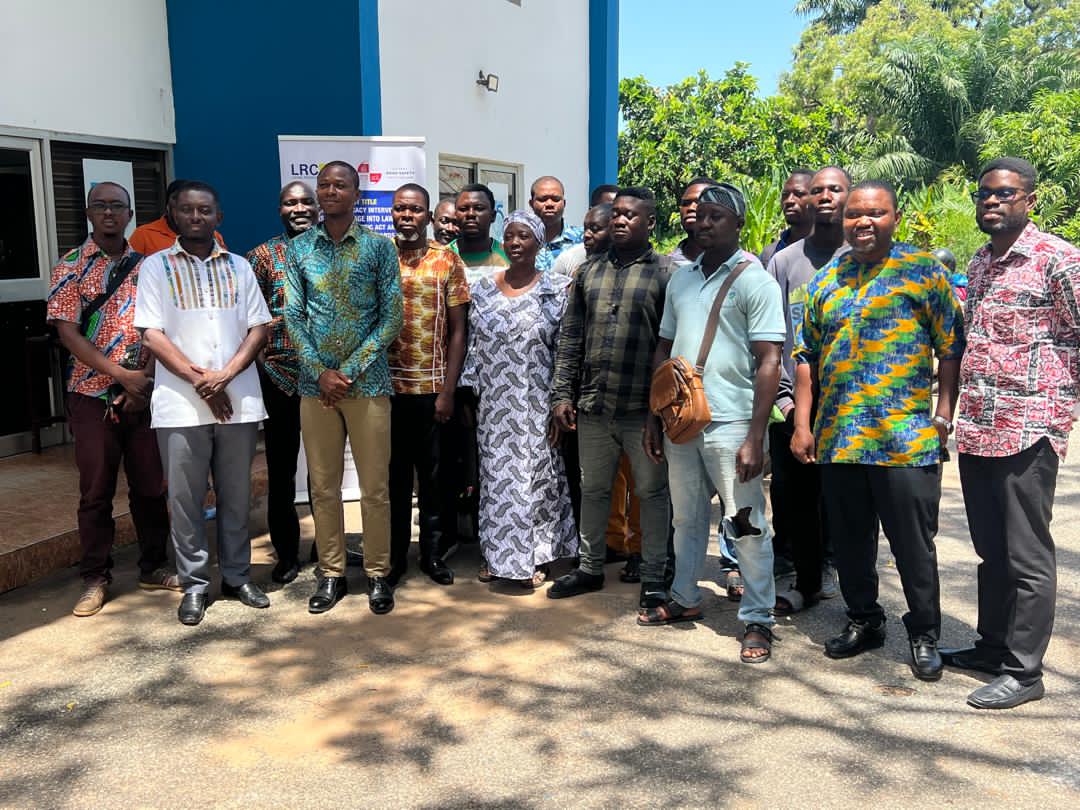
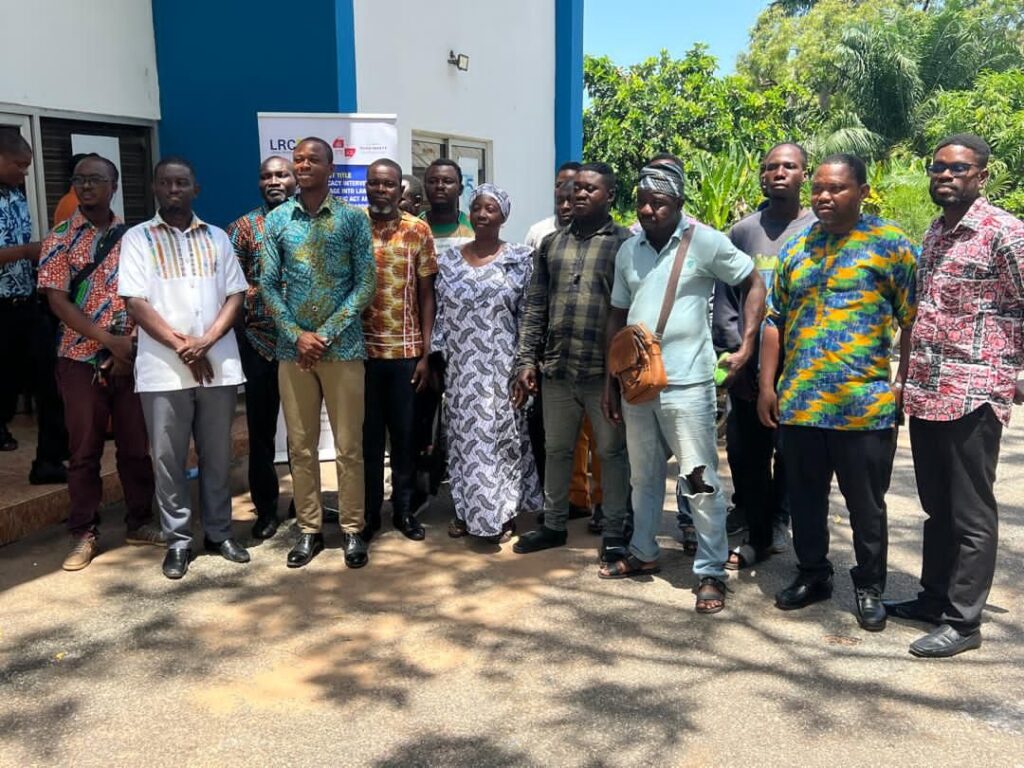
Speaking in an interview with Nationaltymes.com on the sideline of the stakeholder engagement with motorcycle riders in Accra, Mr. Jengre explained that although Ghana has developed and gazetted a new motorcycle helmet standard, the country currently lacks the infrastructure to produce the helmets locally.
“The standard is on paper, but Ghana does not yet have the infrastructure to manufacture its own helmets according to the standard,” he said.
According to him, Ghana will initially depend on imported helmets that meet the specifications approved by the Ghana Standards Authority (GSA).
He said helmet importers would now need to work closely with manufacturers outside Ghana to ensure that helmets brought into the country meet the approved safety standards.
Mr. Jengre also raised concerns about the quality of helmets currently distributed with motorcycles sold in Ghana. “When you buy some motorbikes, they give you helmets, but those helmets are not standardized,” he explained. “Most of them are half-face helmets and do not meet the required safety standards.”
He noted that because the cost of the helmets is already included in the price of motorcycles, dealers must ensure that the helmets supplied to buyers meet the new standards.
Another major concern, according to him, is the porous nature of Ghana’s borders, which allows substandard helmets and motorcycle accessories to enter the country without proper checks.
Mr. Jengre said some traders easily transport helmets from neighbouring countries into Ghana through border communities without inspection. To address the situation, he called for stricter monitoring at Ghana’s borders and ports to ensure that all imported helmets are properly tested and certified.
The Ghana Standards Authority, customs authorities, and the National Road Safety Authority are expected to intensify inspections and enforce compliance. He also stressed the need for officers responsible for inspecting helmets to receive specialized training on the new standards.
As part of a long-term solution, Mr. Jengre urged government to partner with private companies to establish local helmet manufacturing factories in Ghana. “The way out is for government to partner with private enterprises,” he said. “We need the infrastructure, machinery, testing systems, and conformity assessments to eventually manufacture our own helmets.”
According to him, local production would improve compliance with safety standards, create jobs, and generate revenue for the country. Mr. Jengre further called for continuous public education and media awareness campaigns to help riders and the public understand the new helmet standards and road safety regulations.
He said many people are still unaware of the newly introduced standards, making sustained public sensitization very important. The new helmet policy forms part of broader government efforts to reduce motorcycle-related deaths and improve road safety across Ghana.
Source: Nationaltymes.com