




Nat’l Tymes News Desk

COMMENCIAL motorbike riders, popularly known as “okada” riders, have been advised to join recognized unions as Ghana prepares to enforce new laws regulating commercial motorcycle operations.
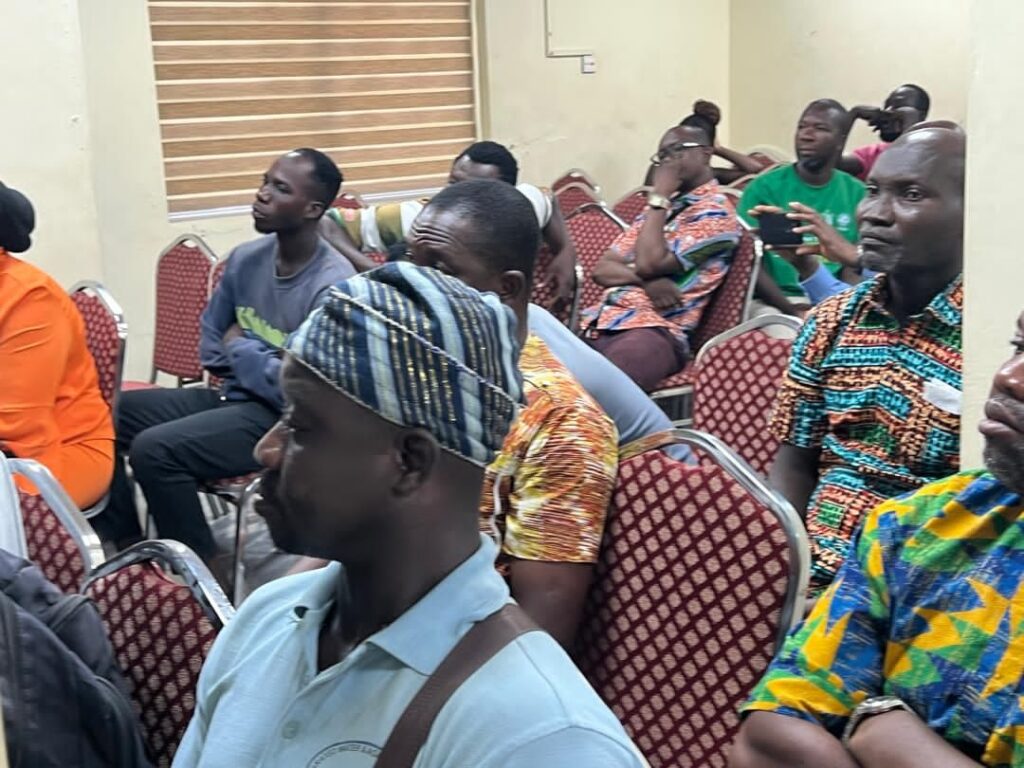
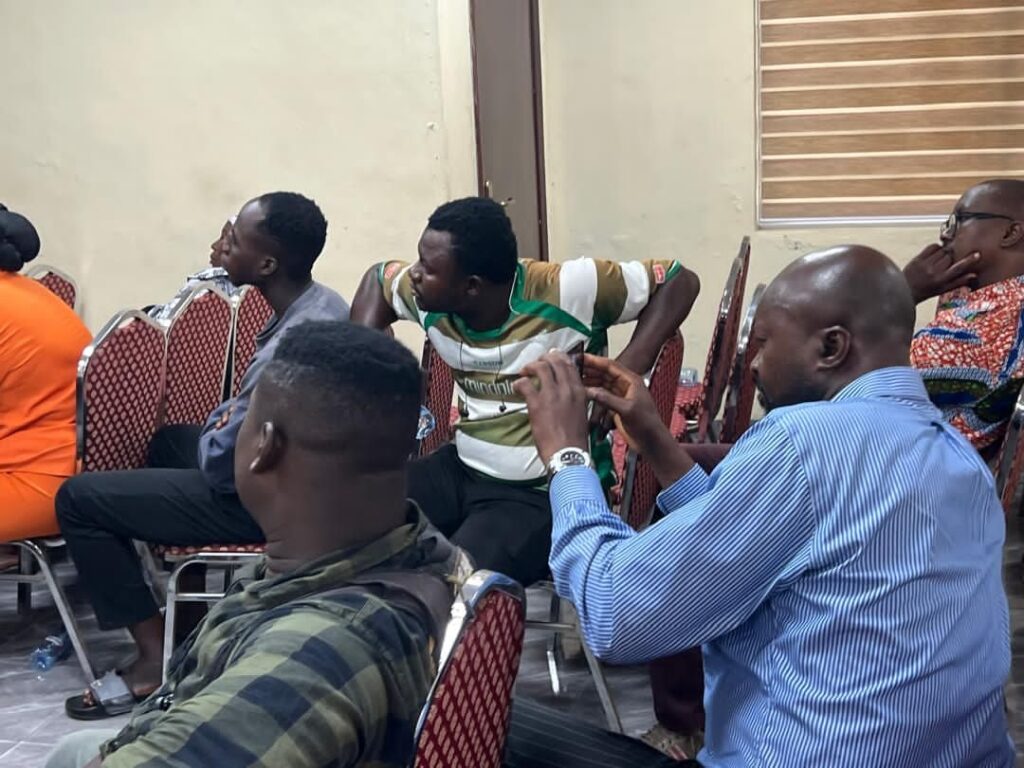
Speaking during a stakeholder engagement with riders in Accra over the week, Enoch Jengre Esq., Programmes Officer at the Legal Resource Centre, said riders who belong to unions would have stronger protection and support when dealing with challenges such as police harassment and arrests.
According to him, Article 21 of the Constitution of Ghana guarantees freedom of association, giving riders the right to form or join unions to fight for their welfare and rights.
“What we are encouraging them to do is that they should belong to a union,” he said. “If they belong to a recognized and registered union, then they will have the collective bargaining power to fight for their rights.”
Mr. Jengre explained that organized unions would be able to support riders legally, including taking matters to court when members are unfairly treated.
His comments come as Ghana moves closer to fully legalizing the use of motorcycles for commercial transport following amendments to the Road Traffic Act and related regulations.
He explained that Regulation 128 of L.I. 2200 previously prohibited the use of motorcycles for commercial business, making it necessary for government to amend the law.
According to him, the amended Legislative Instrument is currently before Parliament and is expected to become law after the required constitutional laying period.

Mr. Jengre noted that once Parliament resumes from recess and the process is completed, implementation of the law will begin immediately. He cautioned that not everyone would automatically qualify to use motorcycles for commercial transport.
“There is this perception out there that anybody at all can use his or her motorbike for commercial enterprise. That is not the case,” he stressed.
Under the new system, riders will be expected to meet several conditions before operating commercially.
These include being at least 21 years old, possessing a valid riding license, obtaining insurance, securing roadworthy certification, and wearing approved safety gear.
He revealed in interview with Nationaltymes.com that many riders who attended the engagement programme were unaware that motorcycles also require insurance coverage. “Some only got to know this morning that motorcycles must also be insured,” he said.
Mr. Jengre added that riders would also be required to wear reflective jackets or vests and may be restricted to operating within specific zones or localities. Addressing fears of police harassment, he said it would be difficult for officers to unjustifiably arrest riders who fully comply with the law.
“There is a need for them to start somewhere and get all the necessary things in place,” he advised. The National Road Safety Authority and other state institutions are expected to oversee the enforcement of the new regulations.
According to Mr. Jengre, the reforms are aimed at improving road safety, protecting passengers and riders, and bringing order into the growing commercial motorcycle sector in Ghana.
Source: Nationaltymes.com