



Nat’l Tymes News Desk

ECONOMISTS have renewed calls for Ghana to strengthen its economy against global shocks, warning that repeated international crises continue to expose deep structural weaknesses.
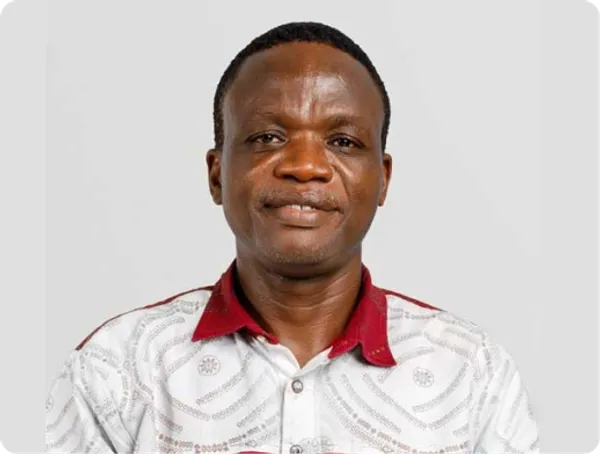
Speaking on Metro TV, policy analyst Dr. George Domfe of the Africa Policy Lens (APL) said Ghana’s open economic structure makes it highly vulnerable to external disruptions such as the COVID-19 pandemic, the Russia-Ukraine war, and ongoing tensions in West Asia involving Israel, Iran, and the United States.
According to him, these global crises have had significant ripple effects on the Ghanaian economy, contributing to inflation, exchange rate instability, and rising living costs.
Dr. Domfe noted that Ghana’s exposure to global crises spans decades—from the oil shocks of the 1970s to more recent events like COVID-19 and the Russia-Ukraine war.
He explained that these recurring disruptions continue to reveal long-standing weaknesses, particularly Ghana’s heavy reliance on imports and limited domestic production capacity.
He emphasized the need for Ghana to reduce dependence on raw material exports and focus on value addition. Using cocoa as an example, he noted that exporting raw beans instead of processed products limits earnings and long-term economic growth.
He pointed to countries such as Singapore and South Korea as models of successful transformation through industrialization and strong manufacturing sectors.
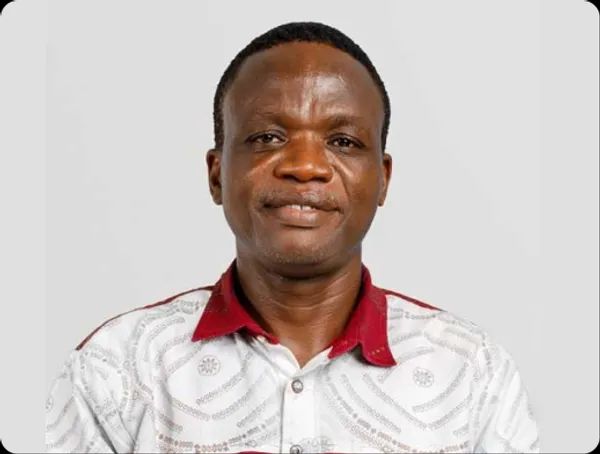
Dr. Domfe further highlighted Ghana’s underdeveloped manufacturing base, noting that it constrains job creation and reduces economic resilience. He stressed that economies typically transition from agriculture to manufacturing before moving into services, a shift Ghana has not fully achieved.
Economists broadly agree that without strengthening domestic production and industrial capacity, Ghana will remain exposed to global economic shocks.
Source: Nationaltymes.com