

Nat’l Tymes News Desk

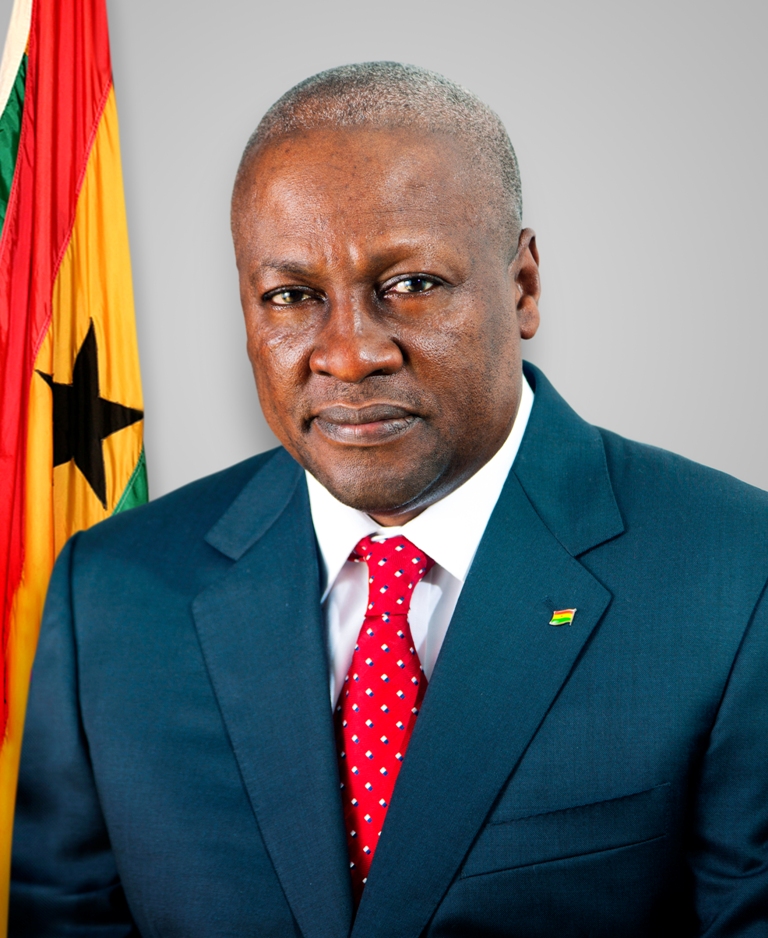
GHANA’S ’s push to strengthen its economy through a gold-backed reserve policy is gaining attention, with economists describing it as a bold and strategic move by the administration of John Dramani Mahama to restore stability and build long-term resilience.
The policy, known as the Ghana Accelerated National Reserve Accumulation Policy (GANRAP), aims to increase the country’s international reserves to cover 15 months of imports by 2028. Experts say this marks a significant shift toward proactive economic management in the face of persistent global uncertainties.
A Strategic Response to Global Shocks
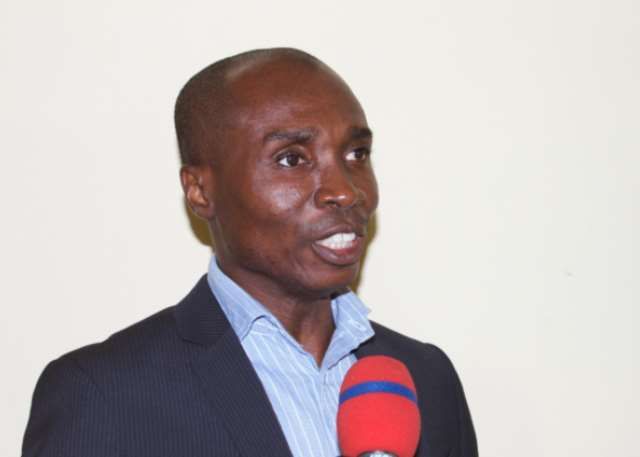
According to Associate Professor Patrick Asuming of the University of Ghana Business School, the initiative is a forward-looking strategy designed to shield Ghana from external shocks such as tensions involving Israel, Iran United States, and the Russia-Ukraine War.
He noted that Ghana’s vulnerability to such crises has long been a challenge, making the buildup of strong reserves a necessary safeguard. “This is about preparing the economy to withstand future shocks and ensuring stability,” he indicated.
Leveraging Gold for Growth
At the heart of the policy is an aggressive gold accumulation plan, which will see Ghana purchase about 3.02 tonnes of gold weekly from both small-scale and large-scale miners. The gold will be refined locally and added to the country’s reserves, strengthening its financial position.
The programme sets clear milestones, targeting 8.6 months of import cover by 2026 and 11.8 months by 2027 before reaching the 15-month goal.
This gold-backed approach is already yielding results, supported by the work of the Ghana Gold Board, which has helped boost export earnings and foreign exchange inflows.
Strengthening the Cedi and Reducing Inflation:
Economists say the policy is reinforcing recent gains in the Ghanaian cedi, with improved reserves enabling the Bank of Ghana to better manage currency stability. A stronger cedi has contributed to easing inflationary pressures and reducing the cost of imports, offering relief to households and businesses.
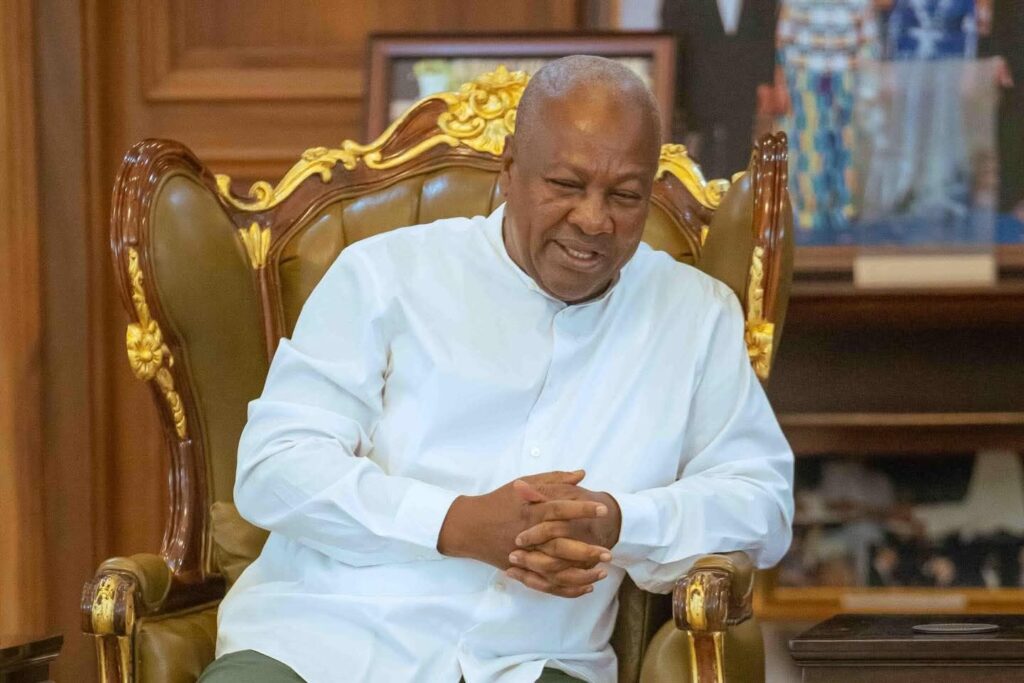
Under the Mahama-led NDC administration, there is a growing emphasis on disciplined economic management, including expenditure restraint and strategic interventions to stabilize the economy.
Learning from Past Challenges
Policy analyst Dr. George Domfe has previously highlighted how repeated global crises — from past oil shocks to COVID-19 — exposed Ghana’s structural weaknesses, particularly its dependence on imports and raw material exports.
The current approach, analysts say, reflects lessons learned from those challenges, with a renewed focus on building buffers and reducing economic vulnerability.
Supporting Transformation and Jobs
Beyond stabilisation, the Mahama government is positioning GANRAP as part of a broader transformation agenda. This includes promoting value addition, expanding manufacturing, and reducing reliance on imports.
Initiatives such as the proposed 24-hour economy are expected to complement the reserve policy by boosting production, creating jobs, and driving industrial growth.
Balancing Stability with Growth
While a stronger cedi brings benefits, experts acknowledge the need to carefully manage its impact on exporters and local producers. However, they stress that the current priority is restoring macroeconomic stability as a foundation for sustainable growth.
Prof. Asuming noted that maintaining strong reserves will help Ghana navigate this balance more effectively, ensuring that both stability and growth are achieved over time.
A Shift from the Past
Observers say the current strategy represents a departure from the economic challenges experienced under the previous administration of Nana Akufo-Addo and Mahamudu Bawumia, where external shocks significantly strained the economy. They argue that the Mahama-led government’s focus on reserve accumulation, prudent spending, and structural reforms signals a more resilient and forward-thinking approach.
Looking Ahead
With GANRAP gaining traction, analysts are optimistic that Ghana is on a path toward stronger economic stability and reduced dependence on external borrowing. They emphasize that sustained commitment to the policy, alongside investments in local production and export diversification, will be key to securing long-term prosperity.
As global uncertainties persist, Ghana’s gold-backed reserve strategy is increasingly being viewed as a cornerstone of its economic recovery and transformation agenda.
Source: Nationaltymes.com