

Nat’l Tymes News Desk

THE Montessori Model United Nations (MMUN) West Africa has launched a scathing attack on the alleged lack of discipline, poor supervision and weak accountability in District Education Offices across the country, demanding urgent action from the Ghana Education Service (GES) and the Ministry of Education.
The strong criticism comes at a time teacher unions are on strike over poor pay and working conditions, bringing renewed attention to the challenges confronting Ghana’s basic education system.
MMUN is questioning who holds education managers accountable for alleged negligence and unprofessional conduct at the district level, where officers are responsible for supervising more than 200 schools in some areas.
According to the organisation, its monitoring visits to several District Education Offices have revealed what it describes as a worrying pattern of staff absenteeism, missing duty rosters and a lack of effective accountability.
The organisation claims that, in some offices, only one officer is found at post despite several desks being assigned to handle official letters and complaints.
“Out of five to six desks assigned to handle letters and complaints in district offices, you will usually find only one officer at post. When you ask where the rest are, there is no answer and no record,” MMUN stated.
The organisation believes such alleged lapses raise serious questions about the ability of district offices to effectively supervise schools and enforce professional standards among teachers.
TWO CRISES ROCK BASIC EDUCATION:
MMUN says Ghana’s basic education sector is facing two major challenges that require urgent attention from the authorities.
The first is the ongoing industrial action by teacher unions, including the Ghana National Association of Teachers (GNAT), the National Association of Graduate Teachers (NAGRAT) and the Coalition of Concerned Teachers (CCT), over pay and working conditions.
The second is growing concern among parents, students and civil society groups about teacher performance, classroom discipline and the quality of education delivered to pupils.
Parents have reportedly raised concerns about alleged forced after-school classes for which they are charged between GH¢10 and GH¢50 per child.
Other complaints include teacher absenteeism, the alleged punishment of pupils who cannot afford to pay for extra classes, and claims that important topics are sometimes taught only during such paid sessions.
If established, these practices could raise serious concerns about equal access to basic education and the implementation of Ghana’s Free Compulsory Universal Basic Education (FCUBE) policy.
MMUN argues that while teachers deserve fair pay and improved working conditions, professional conduct and accountability must also be enforced throughout the education system.
‘NO DISCIPLINE AT THE TOP’ — KING OYANKA:
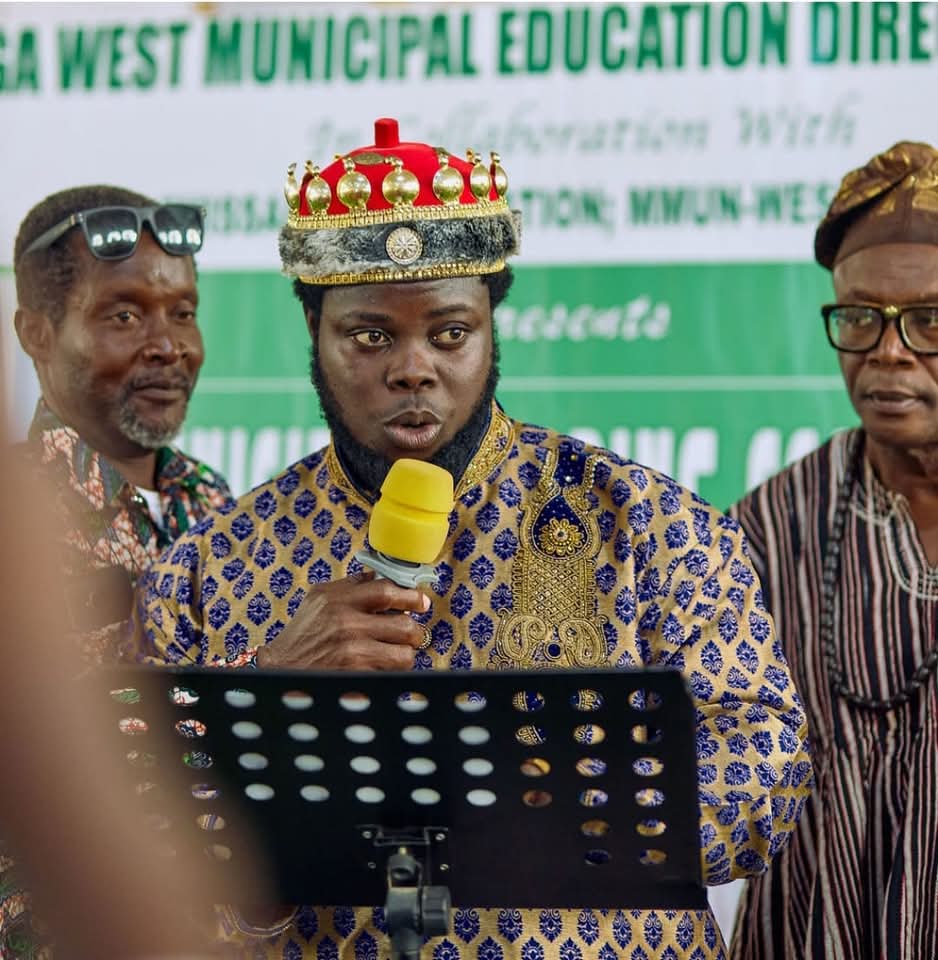
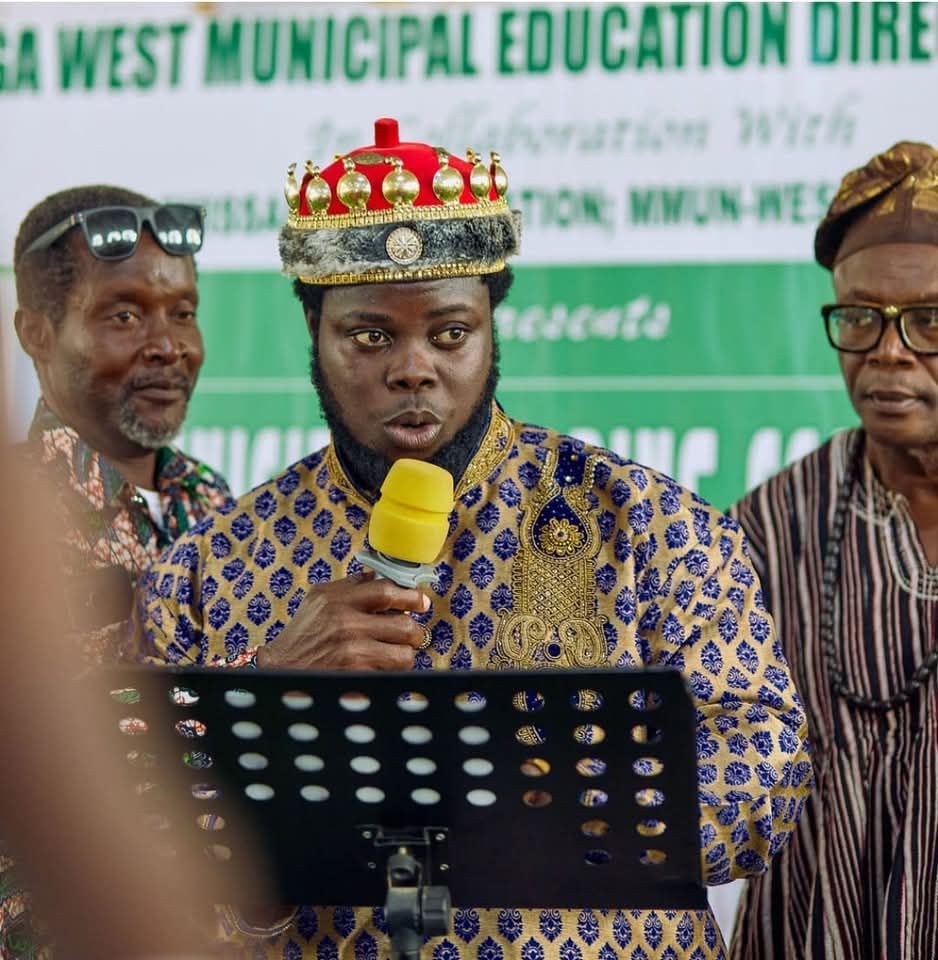
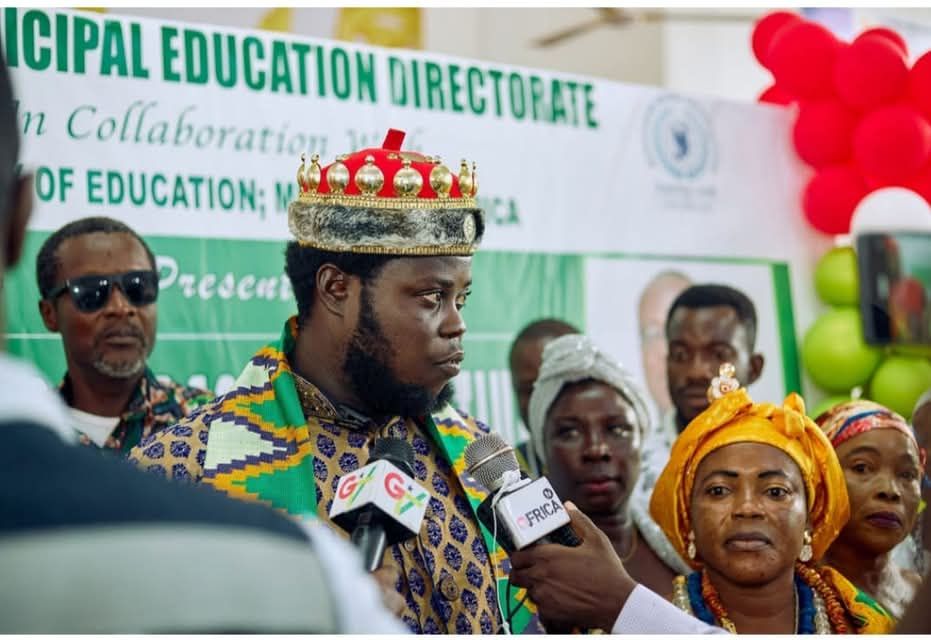
Speaking on the issue, the West Africa Chairman of MMUN, Nii Ayitey Anumle Oyanka, popularly known as King Oyanka, expressed concern about what he described as a lack of discipline and commitment to duty in many District Education Offices.
“There is no discipline, no commitment to work, and no respect for supervision in many district offices. If the offices that are supposed to monitor over 200 schools cannot account for their own staff, how can they punish unprofessional teachers?” he asked.
King Oyanka said the concerns were not limited to a single district, insisting that the problem required a nationwide response rather than isolated action against selected officers.
“This is not about naming one district. This is happening everywhere. If we mention one district, it will become a scapegoat while the problem continues across the country,” he said.
He stressed that district education authorities must lead by example if they are to effectively supervise teachers, enforce discipline and improve learning outcomes in schools.
MMUN believes that a system in which officers responsible for monitoring schools cannot adequately account for their own attendance and performance risks undermining efforts to improve the quality of basic education.
MMUN ISSUES FOUR DEMANDS TO GES, EDUCATION MINISTRY:
To address the concerns, MMUN has outlined four major demands for the Ghana Education Service and the Ministry of Education.
First, it wants the GES to issue a clear directive prohibiting forced after-school classes and unauthorised fees, while strengthening the enforcement of the FCUBE policy.
Second, the organisation is calling for the introduction of biometric attendance systems and publicly displayed duty rosters for staff at district and regional GES offices to improve transparency and ensure officers report for duty.
Third, MMUN wants an independent monitoring team established to conduct unannounced inspections across all 261 districts to check staff attendance, assess performance and identify cases of negligence.
Fourth, it is urging the government and education authorities to address teachers’ welfare concerns promptly while ensuring that teachers and education officers found guilty of professional misconduct face appropriate disciplinary action.
The organisation believes these measures would help restore discipline, strengthen supervision and improve public confidence in the management of Ghana’s education system.
‘PAY TEACHERS WELL, BUT ENFORCE ACCOUNTABILITY’:
King Oyanka maintained that improving teachers’ welfare and demanding professional accountability should not be treated as competing priorities.
He said the government must take teachers’ concerns seriously while ensuring that public officers and educators perform their duties responsibly.
“Pay teachers well. But also make the system work. Accountability must start from the District Office to the classroom,” he added.
MMUN’s intervention has brought the spotlight on the need for education authorities to examine not only teachers’ welfare and classroom performance but also the effectiveness of the officials responsible for supervising schools.
As the dispute over teachers’ pay and working conditions continues, the organisation is insisting that meaningful reforms must begin with stronger supervision, transparent administration and accountability at every level of the education system.
Source: Nationaltymes.com