


Nat’l Tymes News Desk

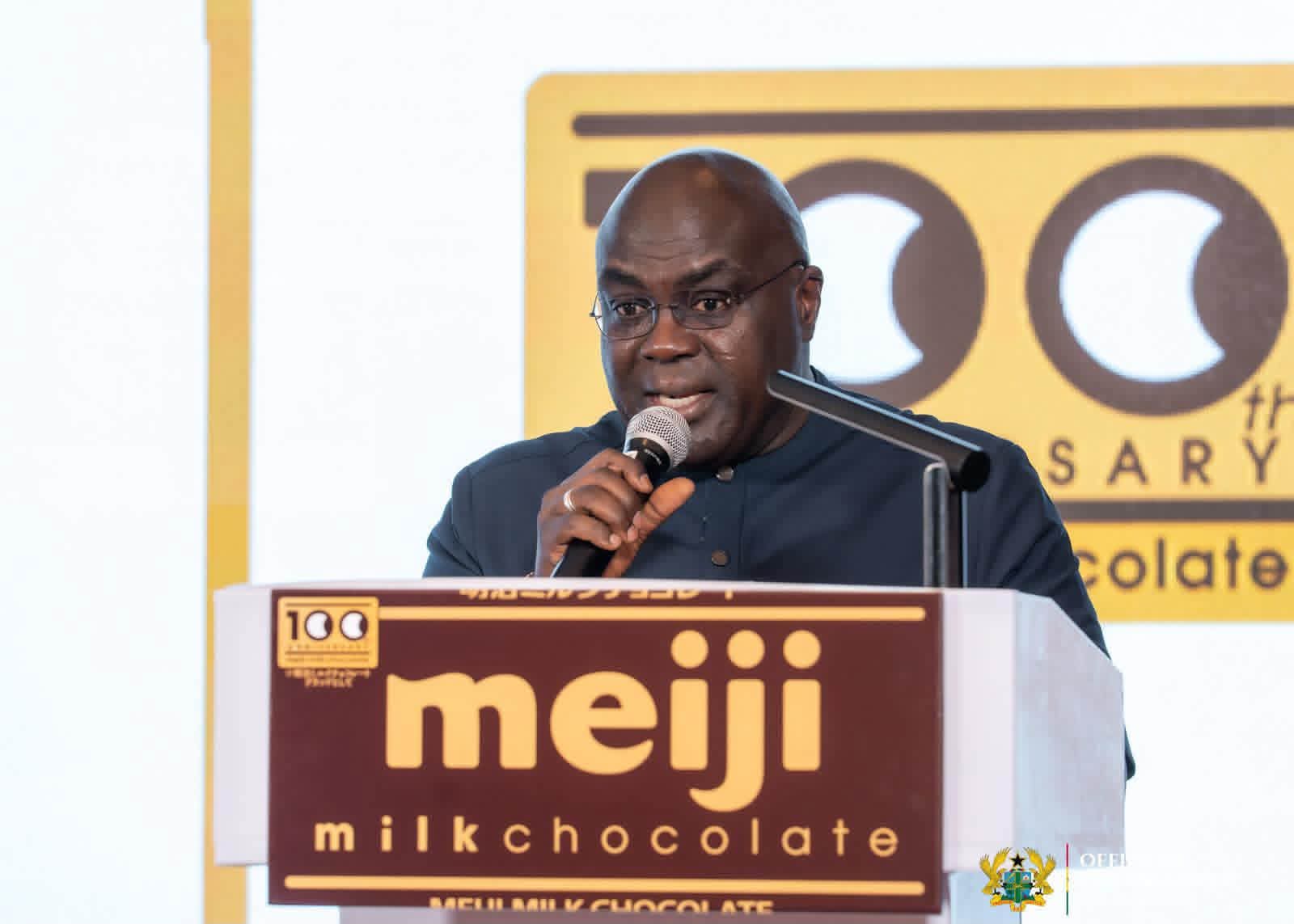
CHIEF of Staff at the Office of the President, Dr. Julius Debrah, has called for stronger cooperation between Ghana and Japan to turn new ideas in the cocoa sector into jobs, technology, local manufacturing and greater economic opportunities for Ghanaians.
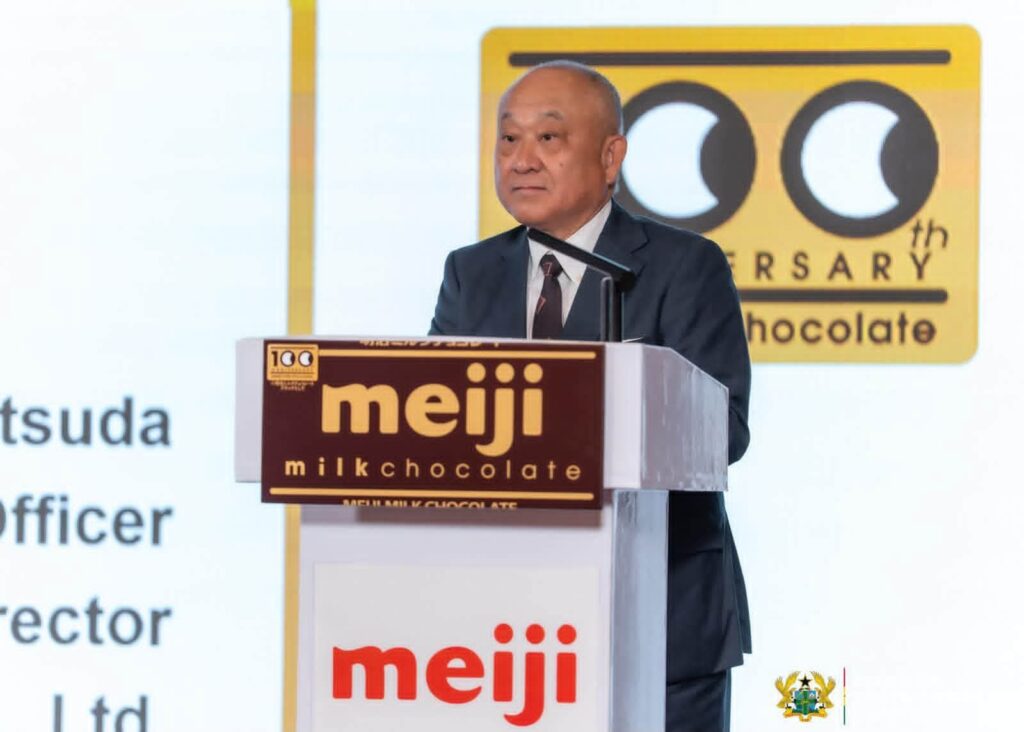
Dr. Debrah made the call when he joined the Ambassador of Japan to Ghana, His Excellency Hiroshi Yoshimoto, the leadership of Meiji, representatives of the Japan International Cooperation Agency (JICA) and the Japan External Trade Organisation (JETRO), officials of the Ghana Cocoa Board (COCOBOD), cocoa farmers and other stakeholders to commemorate the 100th anniversary of Meiji Milk Chocolate.
On behalf of President John Dramani Mahama and the Government of Ghana, Dr. Debrah congratulated Meiji on a century of quality, innovation and global success.
He said the anniversary was not only about celebrating chocolate but also recognising the cocoa farmers whose hard work continues to sustain Ghana’s cocoa industry and the wider global chocolate value chain.

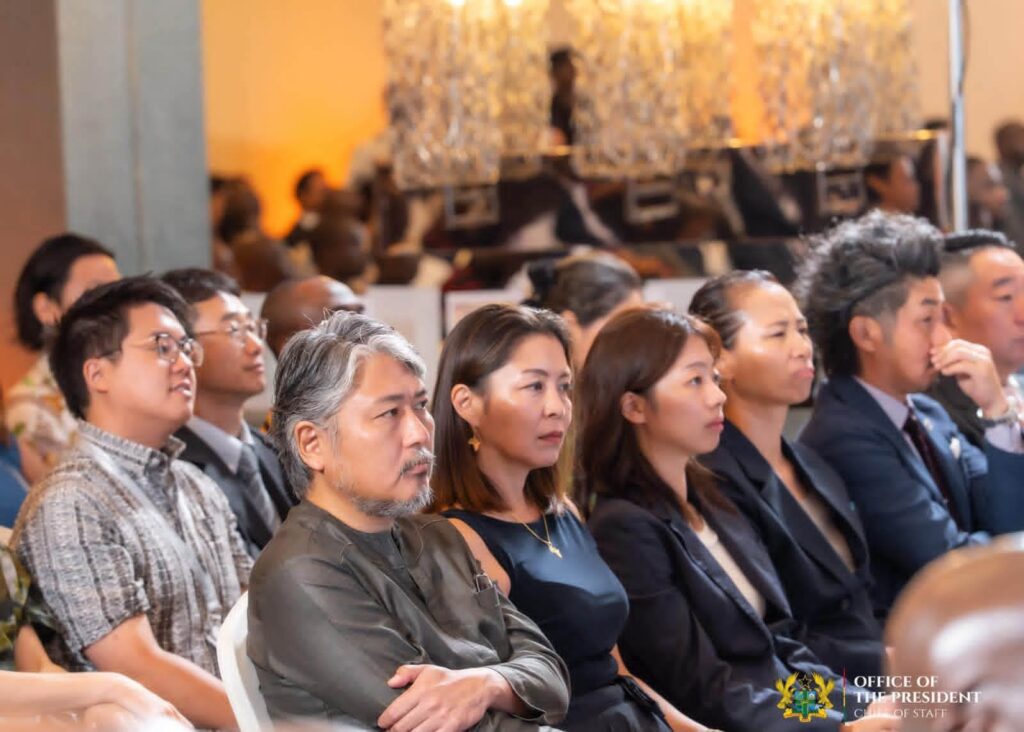
The event also highlighted the long-standing relationship between Meiji and Ghana’s cocoa sector. Meiji began its Cocoa Support programme in Ghana in 2006, with initiatives aimed at improving cocoa farming practices, supporting farmers and communities, protecting the environment and promoting sustainable cocoa production.
The company’s cocoa support activities have also covered education, traceability and efforts to address child labour and deforestation.
Dr. Debrah said the partnership was particularly important at a time when the Mahama Government was pursuing reforms aimed at protecting cocoa farmers’ incomes, increasing productivity and expanding local cocoa processing.
He said the government’s ambition was to process at least half of Ghana’s cocoa locally, a move expected to create jobs, increase local economic activity and enable Ghana to retain more value from its cocoa resources.

According to him, the future of Ghana’s cocoa industry must go beyond the traditional production and export of cocoa beans.
He pointed to Meiji’s work on finding new uses for cocoa waste as an example of the kind of innovation that could open new economic opportunities for Ghana.
Meiji, together with its partners, is currently examining the use of unused cocoa materials such as cocoa pod and cocoa husk in the production of bioplastics and other value-added products. The company announced in July 2026 that Ghana was among three cocoa-producing countries selected for a feasibility study on developing a circular manufacturing model using agricultural waste.
Dr. Debrah said such initiatives could help transform cocoa waste into useful products, including biochar, fibre and bio-based or biodegradable materials, while supporting a cleaner and more circular economy.
He therefore urged Ghanaian institutions and private-sector partners to move beyond discussions and focus on technology transfer, research, skills development, local manufacturing and viable commercial production.

The call comes as Ghana and Japan deepen cooperation in the cocoa sector. On September 14, 2026, the Government of Ghana signed a Letter of Intent with Meiji Holdings and the Government of Japan to strengthen cooperation towards the sustainable development of Ghana’s cocoa industry and the promotion of a circular economy.
The agreement was signed on behalf of Ghana by the Minister for Trade, Agribusiness and Industry, Elizabeth Ofosu-Adjare, while Ambassador Yoshimoto signed for Japan and the Chief Executive Officer of Meiji Holdings initialled for the company.
As part of the 100th anniversary celebrations, Meiji also presented the Government of Ghana with 10,000 cacao-bioplastic ballpoint pens as a symbol of the long-standing friendship and partnership between Ghana and Japan.
Dr. Debrah said Ghana welcomed the gesture in the spirit of friendship and partnership and stressed the need for all relevant institutions to work together to ensure that the emerging opportunities produce practical results.
He said the partnership between Ghana and Meiji should now be used to build stronger links between cocoa production, research, technology, industry and job creation.
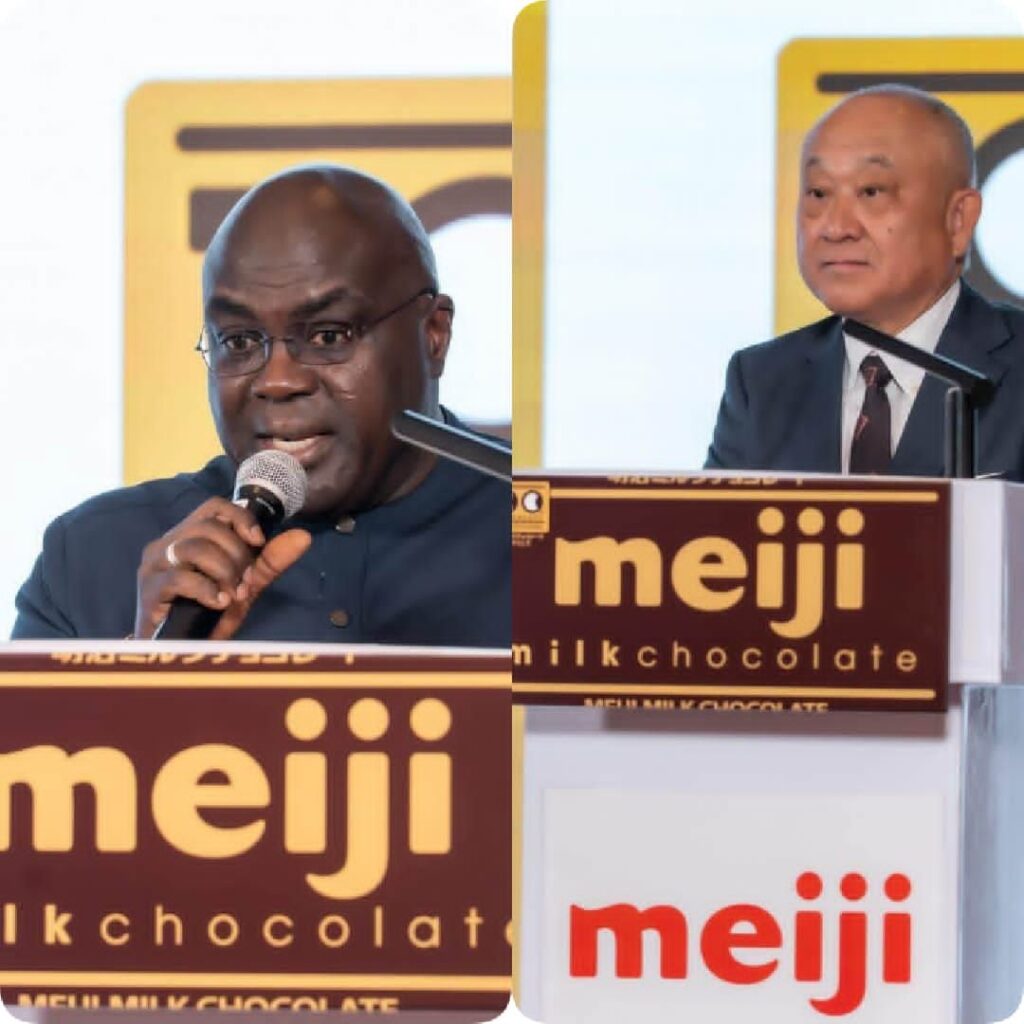
“The cocoa pod has already given the world chocolate. With partnership, innovation and disciplined execution, it can give our people much more,” Dr. Debrah noted.
Meiji Milk Chocolate was first launched in 1926 and officially marked 100 years on September 13, 2026. Meiji has described the centenary as an opportunity to reflect on the brand’s history while creating new value around cocoa beyond traditional chocolate products.
The company’s current initiatives include exploring new uses for cocoa materials and working with partners to develop products that can increase the value of cocoa while benefiting producing communities.
Dr. Debrah congratulated Meiji on reaching the historic milestone and expressed the hope that the friendship between Ghana and Japan would continue to grow, with stronger cooperation producing lasting benefits for cocoa farmers, businesses, young people and the Ghanaian economy.
Source: Nationaltymes.com