

By: Nana Kwasi Roka – National Tymes

RENOWNED media personality Bobie Ansah has accused the political tradition that produced the United Party (UP) and later the New Patriotic Party (NPP) of being founded largely on hatred, bitterness, envy and jealousy towards Ghana’s first President, Osagyefo Dr Kwame Nkrumah.
According to him, that “bitter foundation” has continued to influence the political behaviour of the NPP, particularly its approach to major development initiatives introduced by successive governments of the National Democratic Congress (NDC).
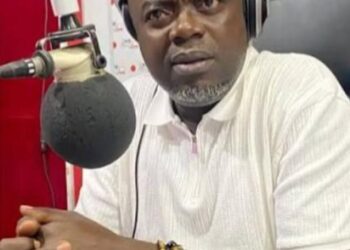
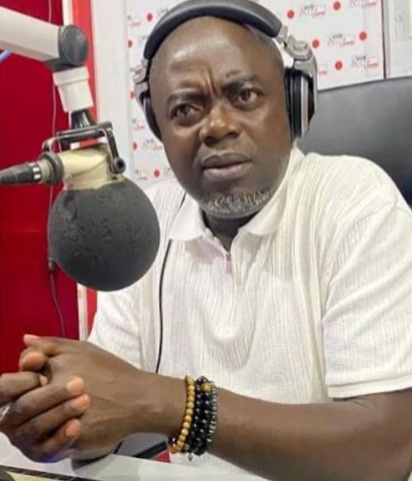
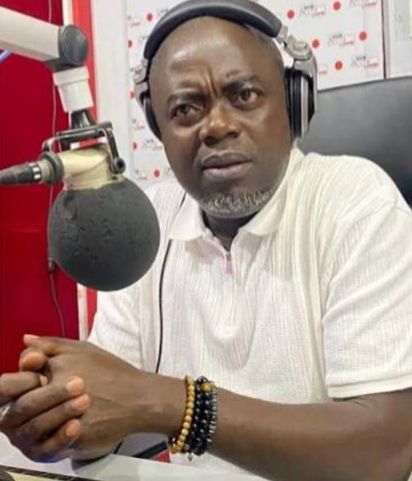
Speaking on Accra 100.5 FM, monitored by Nationaltymes.com, Mr Ansah said political opponents of Dr Nkrumah deliberately sought to undermine his achievements and portray his ambitious development programmes as unnecessary, despite their potential to transform Ghana’s economy and infrastructure.
He described the attitude of the UP towards the Nkrumah administration as a “diabolic foundation”, which, in his view, continues to manifest in the NPP today.
Mr Ansah cited the construction of the Tema Motorway and the Akosombo Dam as examples of major projects that, he claimed, faced strong opposition from political forces opposed to Dr Nkrumah.
He said opponents of the Tema Motorway questioned the need for such a major road, arguing that Ghana did not have enough vehicles to justify its construction.
He also alleged that the same political opponents resisted the construction of the Akosombo Dam, one of the most important infrastructure projects of the Nkrumah era and a major source of Ghana’s electricity generation.
Mr Ansah argued that the same pattern was being repeated today, alleging that the NPP was opposed to President John Dramani Mahama’s proposed Accra-Kumasi Expressway because the project was being undertaken by an NDC government.
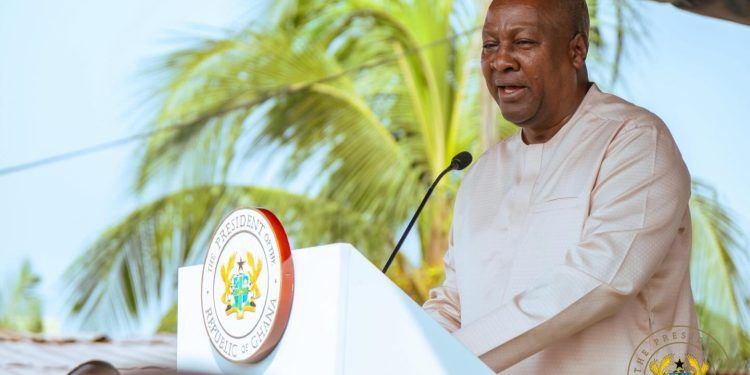
The NPP in one breath indicated that instead, the fund for Accra – Kumasi express road should channelled into railway, and another breath the money should be directed into completing the agenda 111, because the clearing and construction of that express road would cause lots of lung problems for people.
He said the development of Ghana should not be sacrificed on the altar of partisan politics, stressing that major national projects should receive support when they are in the interest of the country, regardless of the political party in power.
NDC ‘Comes to Rescue Ghana’:
Comparing the two major political traditions, Mr Ansah described the NDC as a political movement founded on the principles of probity, accountability and social justice.
He described the NDC as a “rescue party”, arguing that whenever the party returned to power, it inherited what he described as a damaged economy and then embarked on programmes to rebuild the country.
According to him, successive NDC administrations had demonstrated their commitment to infrastructure development by undertaking major projects across the country.
He said the NDC’s record in government showed that the party had consistently focused on projects and policies aimed at improving the lives of ordinary Ghanaians.
Mr Ansah also linked the political history of the NDC to the leadership of the late Flight Lieutenant Jerry John Rawlings, arguing that Rawlings’ interventions in Ghanaian politics were driven by a desire to rescue Ghana from corruption, economic mismanagement and social injustice.
He said the principles associated with the NDC remained relevant in the country’s effort to build a fairer society and improve the living conditions of the people.

Nkrumah Faced Assassination Attempts and Coup Plots:
Mr Ansah’s comments come against the background of the turbulent final years of Dr Nkrumah’s presidency.
He recalled that Dr Nkrumah survived assassination attempts, including the well-known attempt in August 1962, as political tensions intensified during his administration.
Mr Ansah alleged that terrorist attacks, assassination attempts and political destabilisation during the period were part of a broader effort by forces opposed to Dr Nkrumah to weaken his government.
He further pointed out that the UP/NPP political tradition played a major role in the opposition and destabilisation of the Nkrumah administration, culminating in the military coup that removed Dr Nkrumah from office in 1966.
He said the historical record should therefore not be viewed in isolation from the political interests and intense rivalry that characterised the period.
‘NPP Does Not Deserve Another Chance’:
Mr Bobie Ansah, Renowned Journalist, aka Commander Boham was particularly scathing in his assessment of the NPP, maintaining that the historical conduct of the political tradition associated with the UP and NPP showed that the party did not deserve another opportunity to govern Ghana.
He accused the NPP of repeatedly taking advantage of political power and leaving the country in what he described as a worse condition.
According to him, the NDC, by contrast, has repeatedly had to “rescue” Ghana and rebuild the country whenever it returns to power.
He therefore appealed to Ghanaians to reject any attempt by the NPP to return to government, warning that another opportunity for the party to govern could expose the country to what he described as “looting and destruction”.
Mr Ansah said Ghanaians should judge political parties not only by their campaign promises but also by their historical records, development policies and impact on the lives of ordinary citizens.
His comments are expected to reignite debate over the contrasting political traditions of the NDC and NPP, the legacy of Dr Kwame Nkrumah and the circumstances surrounding his overthrow in 1966.
The remarks are also likely to renew discussions about whether Ghana’s partisan political rivalry has, over the years, undermined national development by turning major policies and infrastructure projects into political contests.
Source: Nationaltymes.com