


By: Ralph Apetorgbor
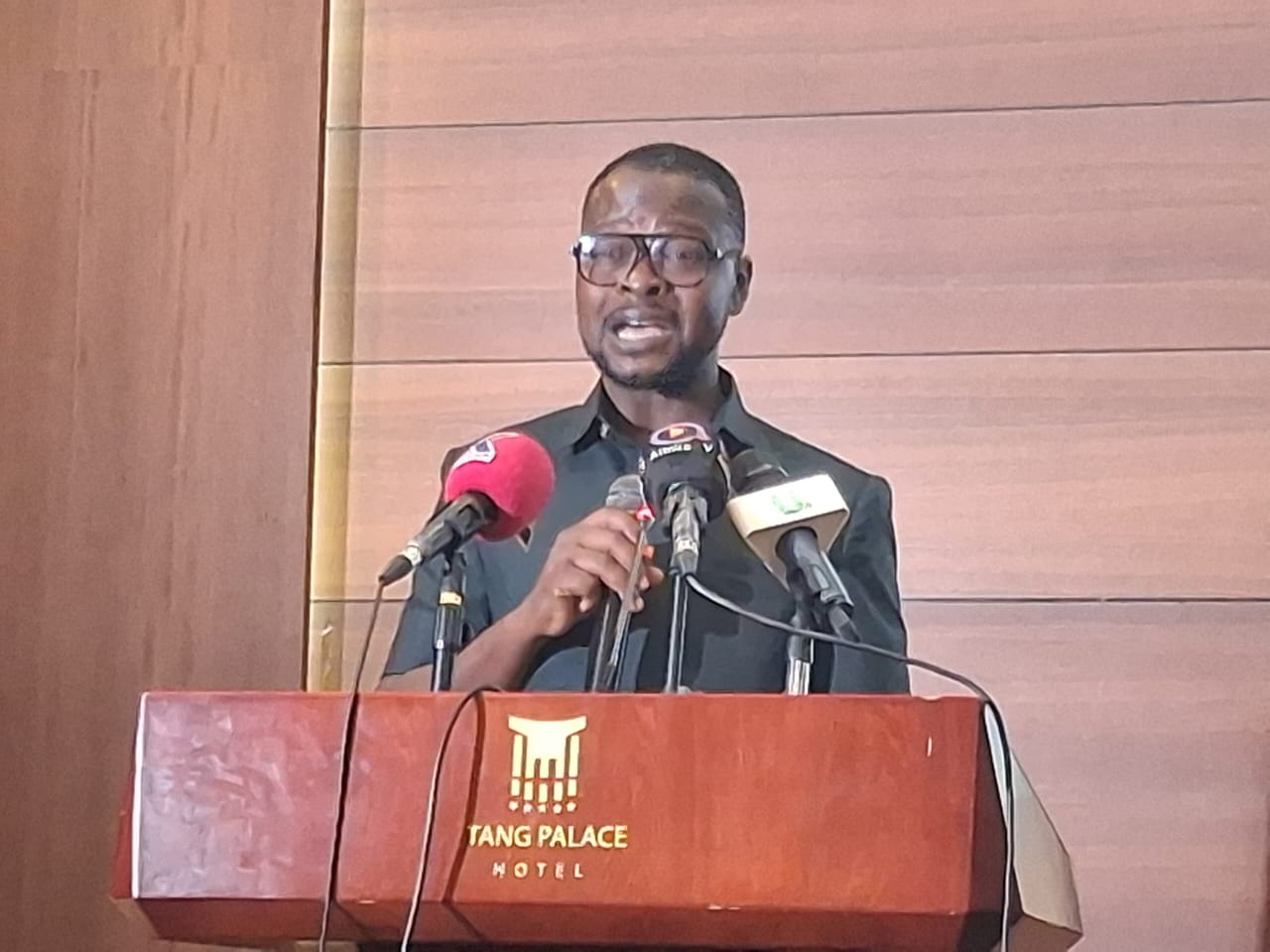
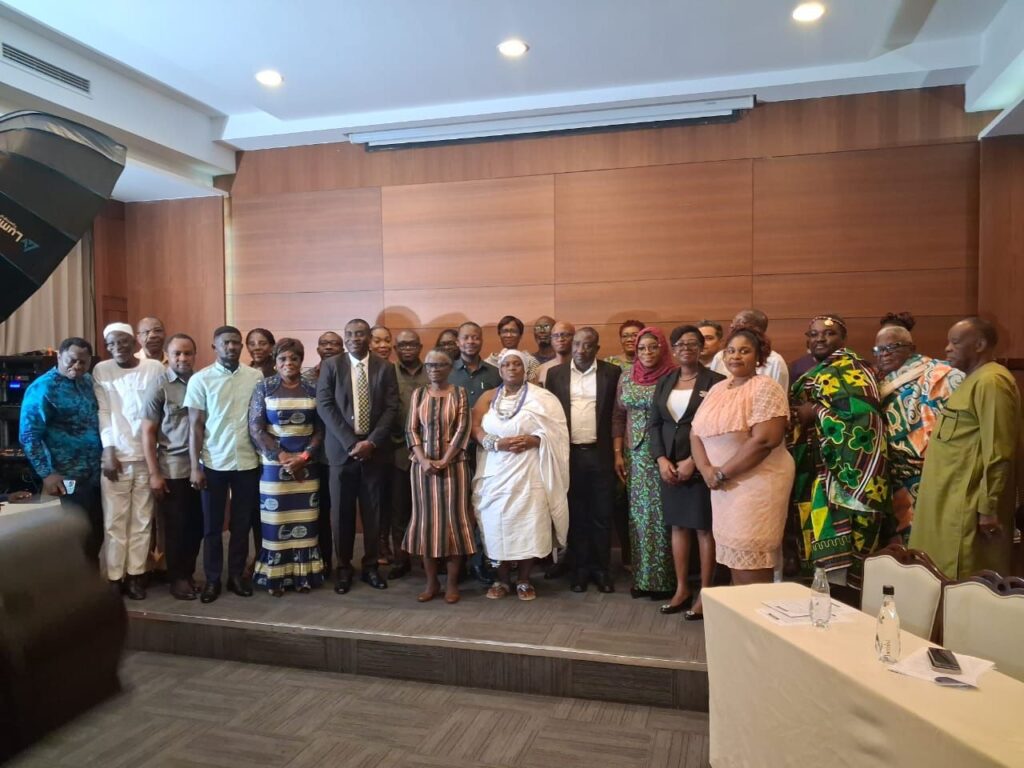
THE NEWLY sworn-in President of the Private Newspapers and Online News Publishers Association of Ghana (PRINPAG), Mr David Tamakloe, has pledged to lead a transformative agenda to empower journalists, promote fairness in advertising, enhance member visibility, and raise ethical standards within the media fraternity.

Speaking at the swearing-in ceremony of PRINPAG’s new executives in Accra, Mr Tamakloe said his leadership would focus on four central pillars – empowerment, advertisement growth, visibility, and integrity- to strengthen the Association and ensure the sustainability of private media in Ghana.
“When you gave me the mandate to serve as President, you did not just hand me a title. You handed me a responsibility; a responsibility to safeguard the dreams of our members, to elevate the voice of the private and independent press, and to chart a new course for journalism in Ghana,” he said.
Mr Tamakloe recounted the sacrifices of PRINPAG’s founders, including G.B.K. Owusu, Kwame Obeng Fosu, Kwaku Adjemang Duah, Kenteman Nii Laryea Sowah and Osbert Lartey, who he said fought for press pluralism and freedom of expression during difficult times.
He urged members to honour that legacy by building a stronger future for independent journalism.On professional development, the President promised continuous training and mentorship for members, stressing that empowered journalists produce empowered societies.
He also announced on-going discussions with state agencies to secure scholarships for members seeking further education. Addressing the financial challenges facing private newspapers, Mr Tamakloe vowed to push for fairer distribution of advertising opportunities.
“Advertisement is not charity; it is value exchange. Our members deliver immense value – reaching communities, influencing opinions, and driving national conversations. We will position PRINPAG members as partners of choice for advertisers, not as beggars at the table,” he declared.
Mr Tamakloe also called for greater visibility of members’ work, leveraging digital platforms to amplify print journalism and give wider recognition to private publishers. On ethics, he was forthright about tackling the practice of “soli” (token payments to journalists), describing it as a threat to integrity.
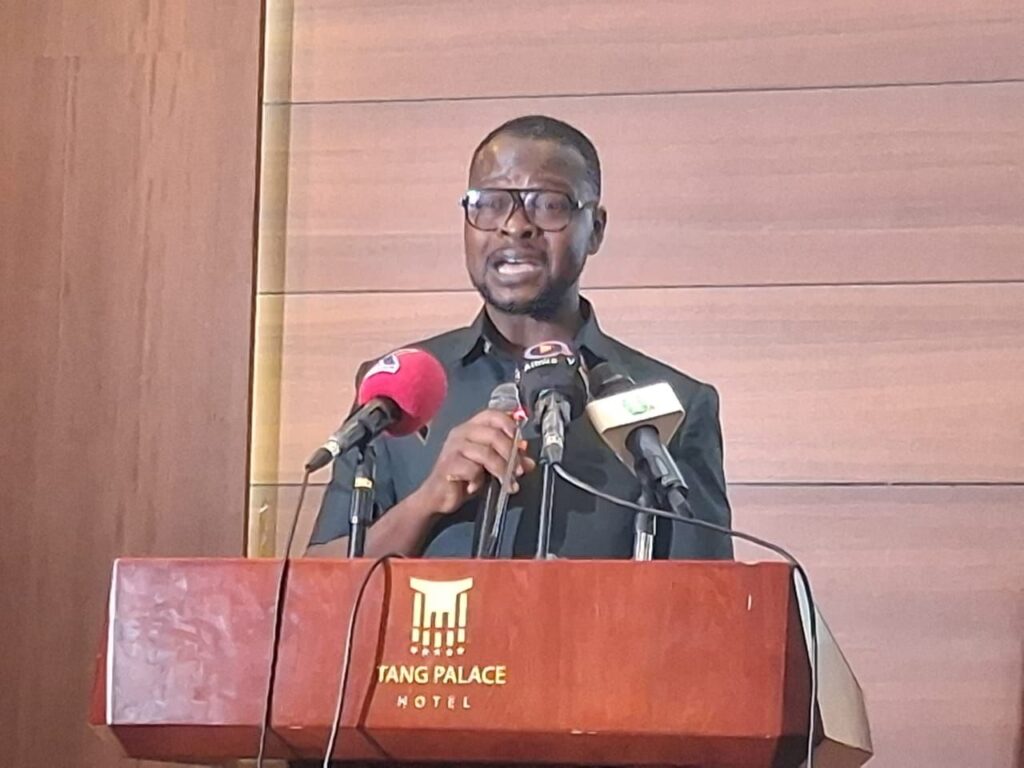
“When we make ourselves available for these pathetic hand-outs, we are essentially putting up a ‘For Sale’ sign on our credibility… The choice is ours: either dignity or trotro fare. We certainly can’t have both,” he cautioned.
Other initiatives outlined include the launch of the PRINPAG Foundation to support members’ welfare, inclusion of bloggers under the Association’s umbrella, and a “Back to Reading” project to revive knowledge-driven journalism.
Mr Tamakloe urged unity among members, emphasizing that the renewal of PRINPAG required collective effort.“History will not judge us by the number of papers we sold, but by the truth we defended, the lives we impacted, and the democracy we strengthened,” he said.
The Deputy Presidential Spokesperson, Ms Shamina Muslim, commended PRINPAG’s decision to open its doors to bloggers and digital content creators, noting that inclusion would help promote professionalism in new media spaces.
“Everybody has become a creator of content, but not everyone understands the ethics of journalism. Bringing bloggers into your fold will expose them to professional standards and discourage unethical practices that undermine the dignity of their subjects,” she said.
On safety and security, Ms Muslim reaffirmed President John Dramani’s “unalloyed commitment” to protecting journalists.She cited the swift disciplinary action taken against a police officer who assaulted a journalist at Ablekuma North and the President’s intervention to reverse the withdrawal of certain media licenses as proof of that commitment.
The Deputy Presidential Spokesperson further assured that government would continue to implement the Right to Information Act in full, enabling journalists to access accurate information and curb fake news, misinformation, and disinformation.“It is in all our interest government, media, and citizens to sanitize the information space. Fake news erodes reputations and weakens democracy,” she stressed.
Source: Nationaltymes.com