


By Nana Kwasi Roka

NIGERIA, the most populous country in Africa and the fourth largest in West Africa, is known for its rich cultural and religious diversity. However, in the heart of its capital, Abuja, a troubling intersection of religious observance and traffic offenses is creating challenges that could have serious consequences for public safety and economic productivity.
A City Brought to a Standstill
On a regular Friday afternoon between 1:30 and 2:00 PM, the town of Karamu, situated between Idu and Gwagwa, experienced an unusual traffic standstill. Private cars, commercial vehicles, motorcycles, tricycles and even pedestrians found themselves frozen in place, trapped in a gridlock that lasted for over 30 minutes.
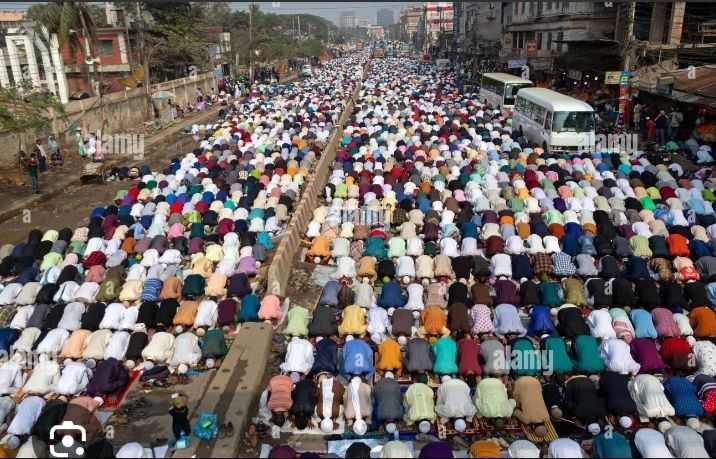
What was the cause? A deliberate halt in movement as a result of Friday Juma prayers. Worshippers had taken over the streets, kneeling in prayer, effectively blocking access to all road users. Those caught in the congestion had no choice but to wait until prayers concluded before the roads became accessible again.
While religious tolerance is a hallmark of Nigeria’s identity, the disruption caused by this practice raises concerns about urban planning, traffic management and the need for designated spaces of worship to avoid such disruptions in the future.
Traffic Offenses: A Culture of Impunity?
Religious disruptions aside, Abuja’s traffic system appears to be plagued by another challenge – flagrant disregard for traffic rules. Instances of taxi drivers stopping under traffic lights to pick up passengers without police intervention are a common sight. Even more alarming is the norm of drivers cramming three people into the front seat of their vehicles – two passengers alongside the driver – a dangerous practice that endangers lives.
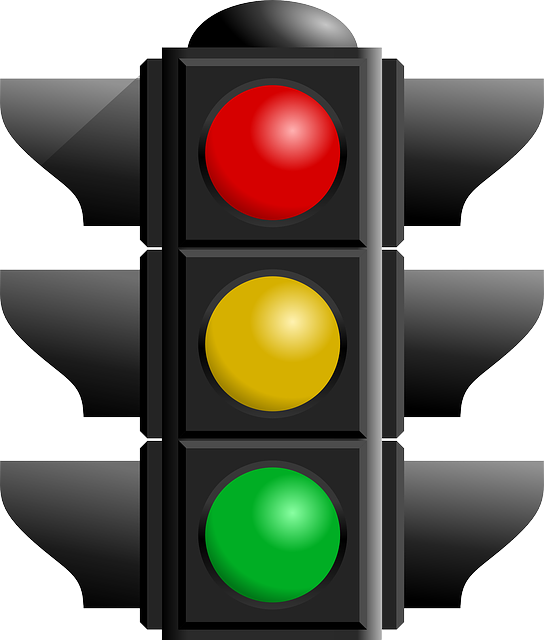
Perhaps the most baffling observation is how some drivers blatantly disregard red traffic lights, continuing their journey as though the signals do not exist. This negligence not only endangers pedestrians and other road users but also undermines efforts to instill order in the city’s transportation system.

The Consequences: A Looming Crisis
The implications of these issues are far-reaching:
1. Public Safety Risks: Traffic disobedience, particularly ignoring red lights and overloading vehicles, significantly increases the likelihood of accidents. Fatalities from reckless driving remain a pressing concern in Nigeria.
2. Economic Disruptions: Traffic congestion, whether caused by prayer gatherings or lawlessness, leads to wasted time and financial losses. Businesses suffer when movement is restricted, and workers arrive late due to avoidable gridlocks.
3. Emergency Response Delays: In a city where roads can be suddenly blocked, emergency services such as ambulances, fire trucks, and law enforcement may struggle to reach critical locations on time, potentially costing lives.
4. Erosion of Law and Order: When traffic violations occur with impunity, it sends a message that laws can be ignored without consequences. This weakens the authority of law enforcement agencies and encourages further disregard for regulations.
The Way Forward
To address these challenges, Nigerian authorities must take urgent action:
Designated Prayer Spaces: While religious freedom must be respected, authorities should work with religious leaders to ensure that places of worship are adequately provided to prevent road obstructions.
Stronger Law Enforcement: Traffic laws should be strictly enforced, and offenders should face penalties to serve as a deterrent.
Public Awareness Campaigns: Educating drivers and pedestrians on road safety and traffic regulations will help change behaviours over time.
Improved Infrastructure: Expanding and maintaining road networks, as well as introducing smart traffic management systems, can help reduce congestion and enhance movement efficiency.

Conclusion
Nigeria remains a vibrant and dynamic country, but its traffic challenges, fueled by a blend of religious practices and disregard for road rules, threaten to undermine progress. Striking a balance between religious observance and urban order, while ensuring that traffic laws are respected, is crucial for the safety and efficiency of the nation’s capital.
Authorities must act decisively to prevent these issues from escalating into a full-blown crisis. The time for change is now.
Source: Nationaltymes.com