


-Acheampong-era Hajj crisis saved by Sheikh Maikano – PAOG Director reveals-

Nat’l Tymes News Desk
LONG before air travel became the main means of travelling to Saudi Arabia, some Ghanaian Muslims walked for months and, in some cases, years to reach Mecca for the annual Hajj.
The historical account has been disclosed by Mohammed Amin Lamptey Hussein, Director of Communication at the Pilgrims Affairs Office of Ghana (PAOG), in a write-up on the history and development of Hajj in Ghana.
According to him, early Ghanaian pilgrims travelled across Africa by foot, camel and other forms of local transport, passing through countries including Nigeria, Niger, Chad and Sudan before eventually crossing the Red Sea to Saudi Arabia.
He said some pilgrims had to work in countries along the route for several years to raise money before continuing their journey to Mecca.
Mr. Lamptey said Hajj arrangements became more organised after Ghana gained independence, although the journey was still largely handled by private operators using ships and a limited number of commercial flights.
He said the situation became particularly difficult in the 1970s under the military government of General I.K. Acheampong, when Ghana faced serious foreign exchange shortages.
The shortage made it difficult for pilgrims to obtain Saudi Riyals and US Dollars, while restrictions on available flights meant many pilgrims had to depend on Ghana Airways, whose limited capacity resulted in overcrowding and delays at the Accra (then Kotoka) Intenational Airport.
Mr. Lamptey said the crisis reached a peak when hundreds of Ghanaian pilgrims were stranded in Accra and Jeddah after logistical arrangements broke down.

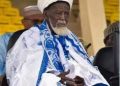
He said available records indicate that the late Sheikh Abdullahi Maikano intervened by mobilising the Muslim community and negotiating with the relevant authorities to help resolve the crisis.
According to him, the crisis exposed the need for a more coordinated system for managing Hajj and contributed to the establishment of the first Hajj Committee, which later paved the way for the National Hajj Council and subsequent institutional reforms.
Source: Nationaltymes.com