

Nat’l Tymes News Desk

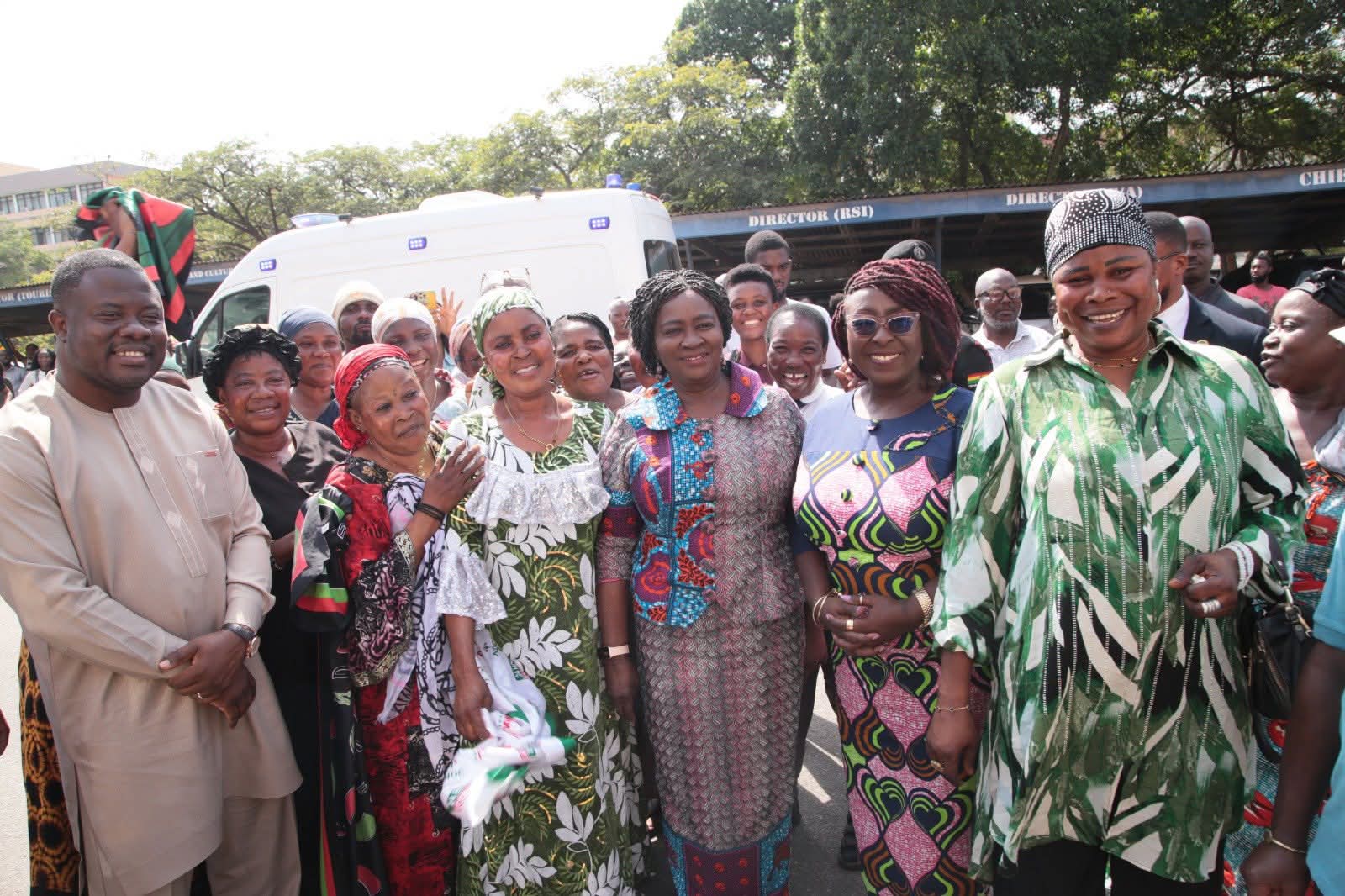
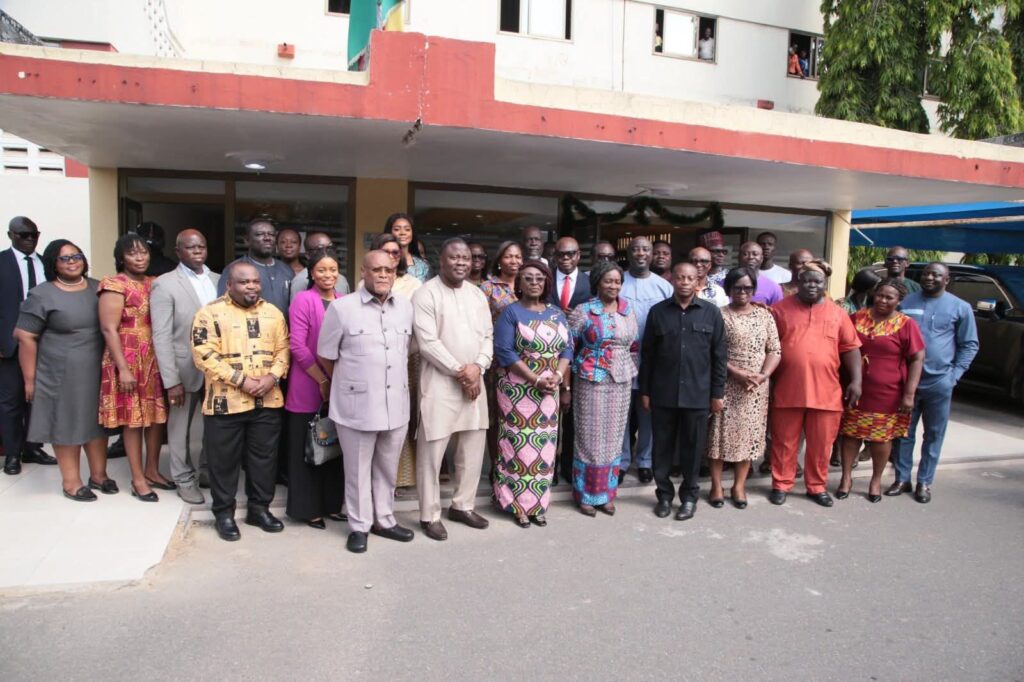
THE VICE President of the Republic of Ghana, Professor Jane Naana Opoku-Agyemang, has paid a familiarization visit to the Ministry of Tourism, Culture and Creative Arts, underscoring government’s renewed commitment to expanding the tourism and cultural sectors as key drivers of national development.
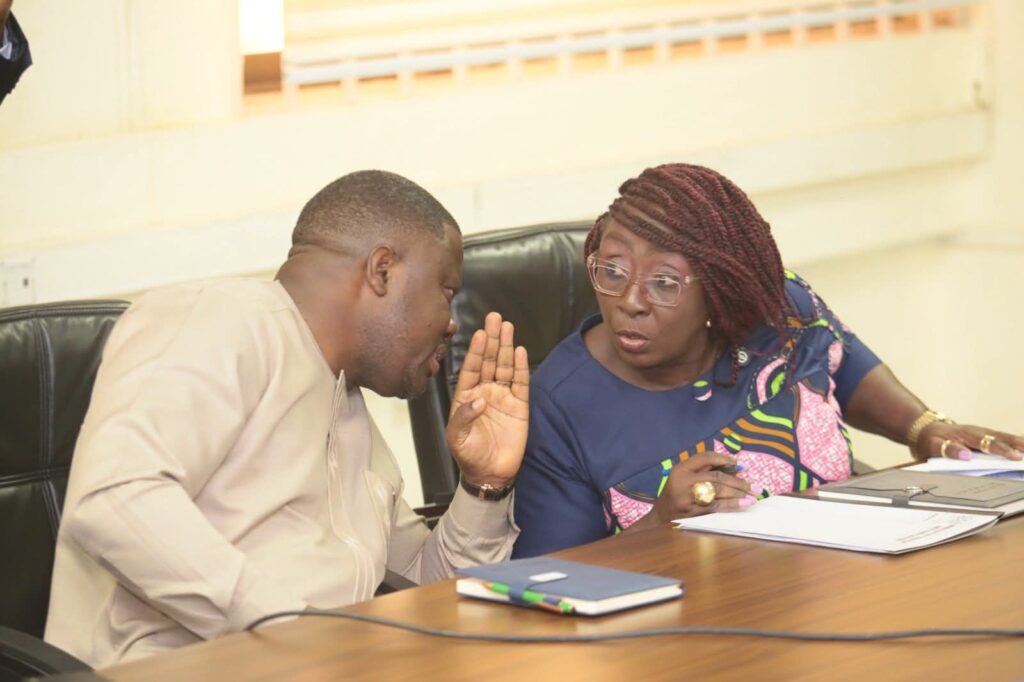
She was welcomed by the Minister for Tourism, Culture and Creative Arts, Hon. Abla Dzifa Gomashie, and the Deputy Minister, Hon. Yussif Jajah, along with management and staff of the ministry.
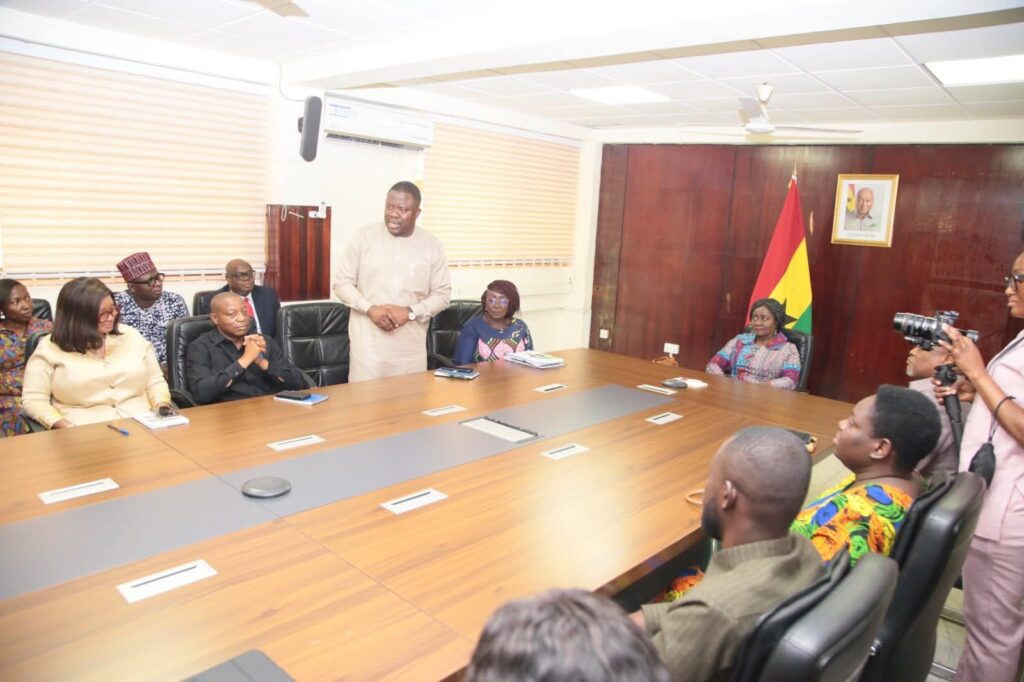
The visit formed part of efforts by the Vice President to acquaint herself with the operations, programmes, and strategic direction of the ministry. In her opening remarks, Hon. Abla Dzifa Gomashie expressed gratitude to the Vice President for the visit and outlined ongoing initiatives aimed at strengthening Ghana’s tourism, arts, and culture ecosystem.
She noted that the ministry is intensifying efforts through new programmes, policy reforms, and enhanced support for local arts, heritage, and creative industries to unlock the sector’s full economic potential.
In her response, Vice President Opoku-Agyemang emphasised the need to prioritise the overall growth and value of the tourism sector, describing it as a critical component of Ghana’s development agenda.
She highlighted Ghana’s rich cultural heritage, local cuisine, and indigenous foods as strategic assets that can be leveraged to position the country more competitively on the global stage.
The Vice President stressed that national development must take precedence over individual or institutional interests, calling for stronger collaboration across ministries, agencies, the private sector, and local communities.
“This is not just about tourism or culture; it’s about creating jobs, generating revenue, and strengthening Ghana’s identity. If we do this intentionally, we can make tourism and culture a significant pillar of our national economy,” she said.
Professor Opoku-Agyemang further reaffirmed government’s commitment to working closely with the private sector, the diaspora, and local communities to expand tourism opportunities, create sustainable employment, and enhance Ghana’s cultural visibility worldwide.
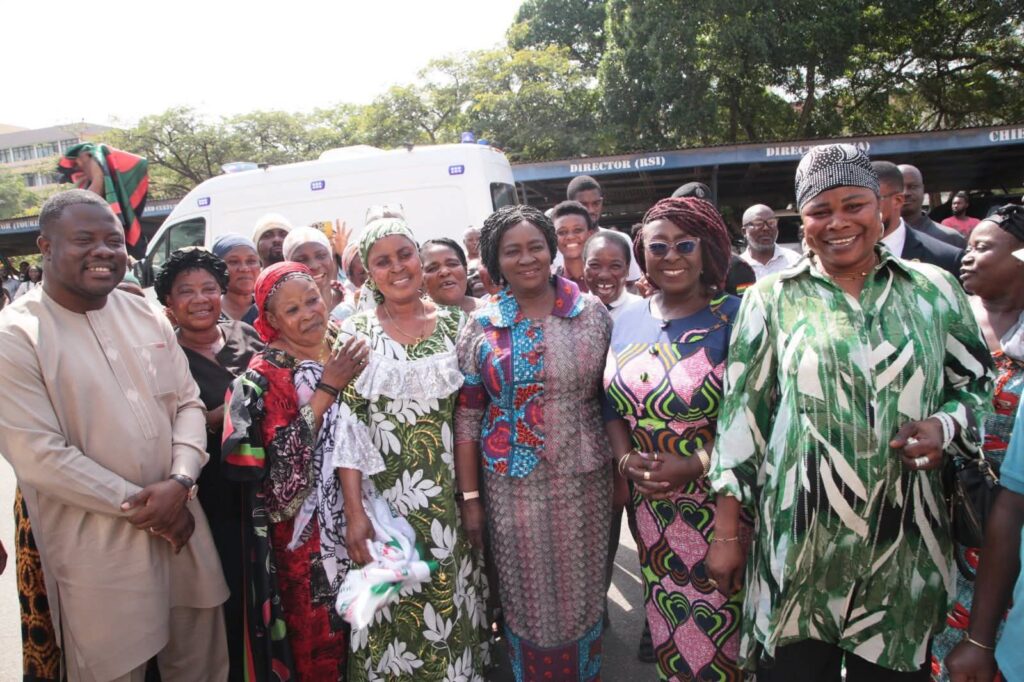
The engagement, she noted, reflects a shared resolve to harness Ghana’s cultural assets as engines of inclusive growth and long-term economic transformation.
Source: Nationaltymes.com