


Nat’l Tymes News Desk

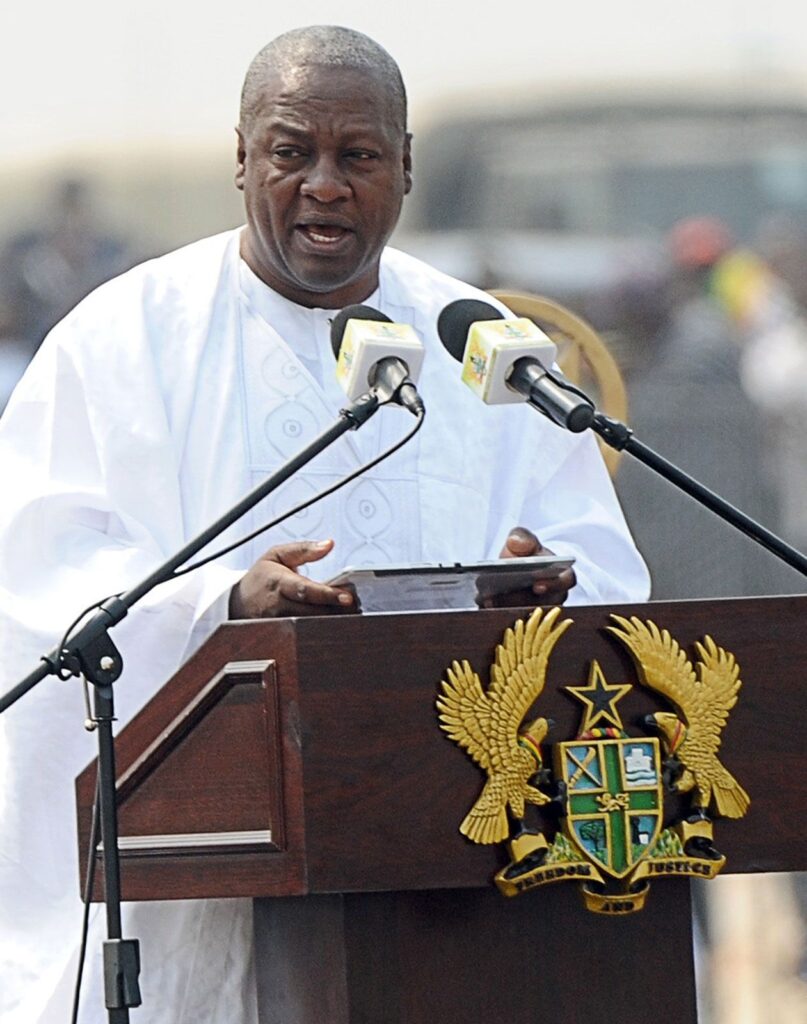
DURING THE 2026 Budget reading yesterday, the Finance Minister outlined a bold plan by the Mahama-led National Democratic Congress (NDC) government to turn Ghana into a major palm-oil producer.
The Budget revealed that $500 million will be invested in the National Integrated Oil-Palm Development Policy, aimed at creating jobs, increasing exports, and making the country self-sufficient in palm oil by 2032.
The Finance Minister said the government will plant 100,000 hectares of new oil-palm plantations and expand processing factories across the country. The policy is expected to generate more than 250,000 direct and indirect jobs, covering the entire palm-oil value chain from farming to export.
Ghana currently imports about 200,000 metric tonnes of crude palm oil annually, spending over $200 million.
The Budget shows that the government wants to end this import dependence and position the country as a regional leader in palm-oil production within a decade.

The $500 million funding, backed by the World Bank and Ghana Exim Bank (GEB), will provide long-term, low-interest loans covering up to 70% of project costs.
Smallholder farmers, who produce much of Ghana’s palm oil, will benefit from improved seedlings, machinery, credit, and guaranteed prices under an out-grower scheme. Special support will also target women and youth to ensure inclusive growth.
The Tree Crops Development Authority and Oil Palm Research Institute will oversee production, introduce disease-resistant, high-yield varieties, and regulate quality. To protect local producers, the government will introduce an “edible-oil stamp system” to place a small levy on imported palm oil, with proceeds supporting local processors and curbing unfair import practices.

The Finance Minister emphasized that the policy is part of the government’s broader plan to industrialize agriculture, create jobs, and boost foreign exchange earnings. Lawmakers were made to note that this is a step the previous NPP government was unable to achieve in eight years.
If implemented successfully, the 2026 Budget initiative could finally turn Ghana’s “red gold” into a major driver of national growth and prosperity.
Source: Nationaltymes.com