

By: Nana Kwasi Roka

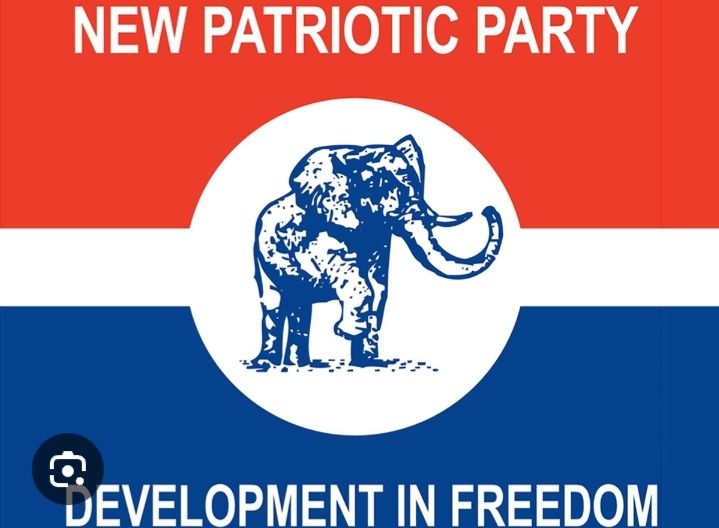
THE NEW PATRIOTIC Party (NPP), once a towering symbol of Ghana’s democratic progress, experienced a historic fall in the 2024 general elections.
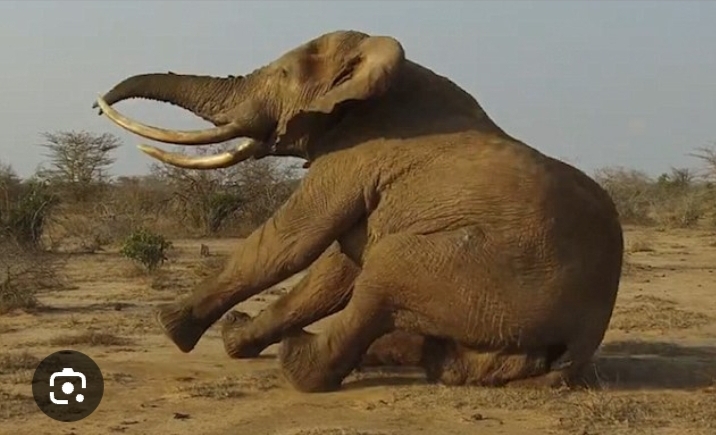
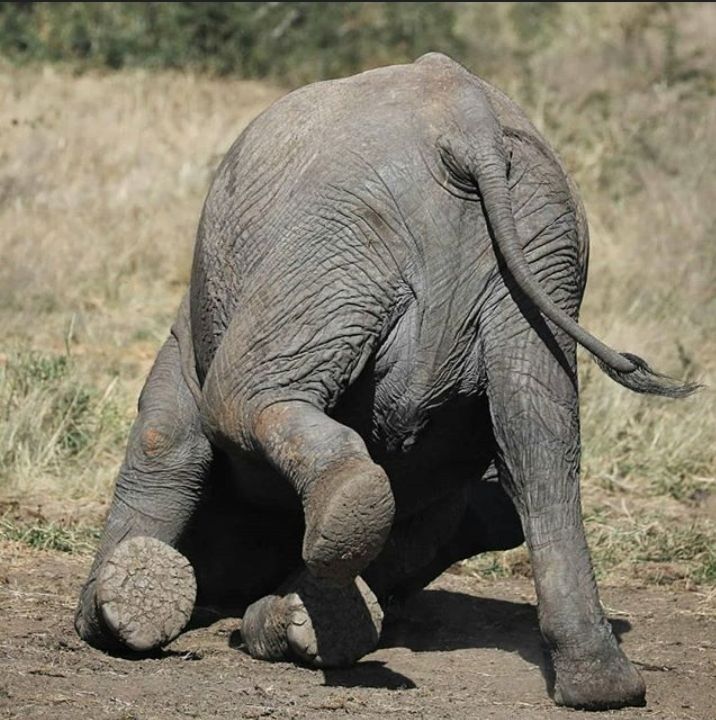
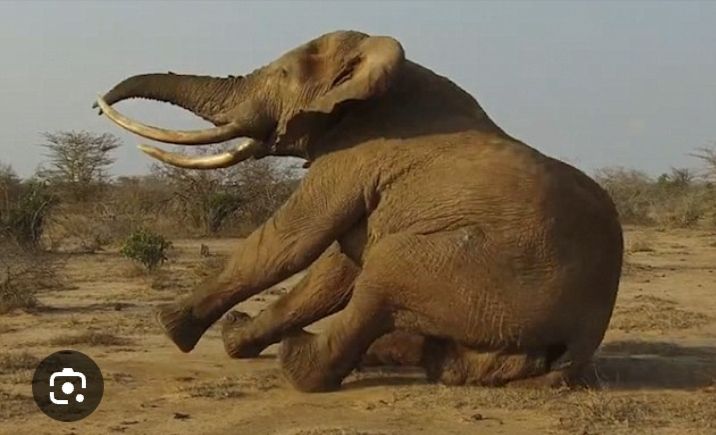
Once perceived and touted by its members as a “gigantic elephant” leading the charge for economic and political transformation, the party succumbed to its own flaws – arrogance, greed, insubordination, and corruption – leaving a bitter legacy among Ghanaians.
The Downward Spiral: A Catalog of Misdeeds
After two consecutive terms in office, the NPP faced growing criticism for rampant corruption, nepotism and cronyism. High-ranking officials were frequently accused of diverting public funds for personal gains and state institutions were reportedly captured by politically connected elites.
Transparency International’s Corruption Perceptions Index noted a steep decline in Ghana’s ranking during the NPP’s tenure, further eroding public trust.
Economic Mismanagement and Broken Promises
The NPP came to power on the back of ambitious promises: economic stabilization, job creation and improved living standards. However, these commitments largely went unfulfilled. Inflation surged, the Ghanaian cedi depreciated drastically and unemployment soared, especially among the youth.
The much-touted Nation Builders Corps (NABCO), intended to address youth joblessness, collapsed under allegations of mismanagement, corruption and political favoritism.
The economic malaise bred frustration, prompting waves of emigration as skilled professionals sought greener pastures abroad. This brain drain weakened critical sectors like healthcare and education, compounding the government’s inability to deliver essential services.
Arrogance and Disconnect from the People
A defining feature of the NPP’s governance was its perceived arrogance and detachment from ordinary citizens. Many Ghanaians felt the party had grown complacent and unresponsive to their struggles. Party leaders often dismissed criticisms as partisan attacks, neglecting the growing discontent among their base. Efforts to address grievances were seen as tokenistic, further alienating voters.
The NPP’s reluctance to heed internal dissent also sowed seeds of discord within its ranks. Richard Ahiagbah, the party’s Director of Communications, later admitted that internal rifts and factionalism weakened the NPP’s cohesion during the election.
These divisions not only undermined campaign efforts but also exposed the party’s inability to adapt to changing political dynamics.
Corruption Scandals and Eroded Trust
From inflated government contracts to unexplained wealth among public officials, corruption became synonymous with the NPP’s administration. High-profile scandals, including the misappropriation of COVID-19 relief funds, further dented the party’s image.
Civil society organizations and opposition parties amplified these allegations, keeping them in the public eye and fueling resentment against the government. Sadly, the President, Nana Addo Dankwa Akufo-Addo and his cabinet as well as leaders of the ruling party (NPP) turned deaf ears to the call and cry of the masses.
Nepotism and cronyism also became defining features of the administration. Key appointments were often based on loyalty rather than competence, leading to inefficiency in public service delivery. The practice of government’s prioritization of political allies over national interest angered many Ghanaians.
The Electoral Verdict
The culmination of these failures was a decisive electoral defeat. The NPP lost both the presidency and a significant number of parliamentary seats. John Dramani Mahama, the National Democratic Congress (NDC) candidate, capitalized on public discontent, presenting himself as a unifying figure capable of addressing the nation’s challenges. He won with 56.5% of the vote, pledging to rebuild trust in government and restore economic stability.
Lessons for the NPP and Ghana’s Political Landscape
The fall of the NPP offers critical lessons for Ghana’s political elite. Arrogance, unchecked corruption and disregard for public sentiment are unsustainable in a vibrant democracy. For the NPP, rebuilding will require deep introspection, a return to its founding principles and a commitment to addressing the grievances of Ghanaians.
For Ghanaians, the 2024 elections underscore the power of accountability. The electorate’s rejection of perceived misgovernance sends a clear message: public office is a privilege, not an entitlement. As the NDC takes the reins, citizens will undoubtedly remain vigilant, demanding transparency and results.
The “gigantic elephant” has fallen, not from only external attack but from internal decay too. Its fall serves as both a cautionary tale and a reminder of the resilience of Ghana’s democracy.
Source: Nationaltyme.com