

By Mohammed Amin Lamptey

THE INAUGURATION of His Excellency John Dramani Mahama as Ghana’s new president on January 7, 2025, will go down in history not only as a political milestone but also as a powerful celebration of cultural identity.
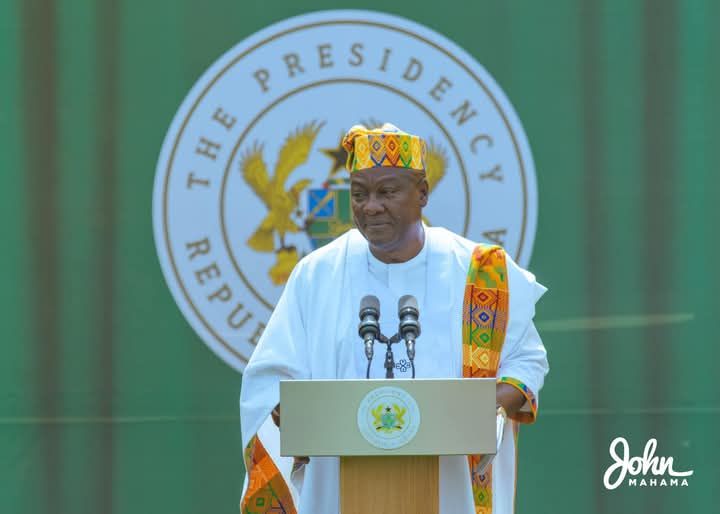
At the Independence Square in Accra, President Mahama’s address highlighted the deep-rooted values of the northern Ghanaian heritage, paying tribute to his closest rival in the 2024 elections, Dr. Mahamudu Bawumia, for his early concession after the December 7 polls.
This gesture of political maturity, analysts say, played a pivotal role in maintaining peace and easing tensions during a time that could have otherwise spiraled into chaos.
A Lesson in Sportsmanship
In his inaugural speech, President Mahama acknowledged Dr. Bawumia’s sportsmanship: “I extend my warmest wishes to His Excellency Alhaji Dr. Mahamudu Bawumia. It was a grueling campaign and we each gave it our all. Your sportsmanship in making an early concession eased tensions and contributed to the early conclusion of the electoral contest. I wish you all the best in your endeavors.”
Political and communication experts have hailed this exchange as a profound reflection of the cultural identity of northern Ghana, where respect, humility and unity are intrinsic values. Dr. Bawumia’s early concession exemplified the collective ethos of peace and harmony, while President Mahama’s gracious acknowledgment of his rival demonstrated a commitment to unity beyond political affiliations.
Culture as a Binding Force
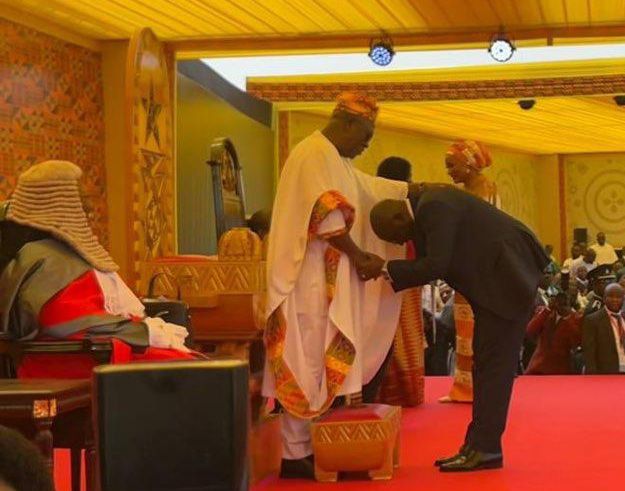
Cultural identity, experts argue, is more than shared language or traditions — it is the sense of belonging to something greater than oneself. The northern Ghanaian culture, marked by respect for hierarchy, humility and community solidarity, was on full display during the handshake and embrace shared by Mahama and Bawumia on the presidential podium.
Dr. Bawumia’s respectful bow during the hug signified the deep reverence embedded in their cultural norms. President Mahama reciprocated with warmth and camaraderie, reinforcing the shared heritage that binds them despite political differences. This moment, now immortalized in a viral photograph circulating on social media, underscores the enduring value of cultural identity in bridging divides.
The Role of Cultural Identity in Leadership
Cultural identity transcends politics and serves as a compass for leadership, fostering understanding, tolerance and unity. The northern Ghanaian heritage, with its emphasis on mutual respect and humility, played a central role in guiding both Mahama and Bawumia during a critical moment in the nation’s history.
Experts believe that Dr. Bawumia’s decision to concede early was rooted in these cultural principles, prioritizing national peace over personal ambition. Similarly, President Mahama’s acknowledgment and celebration of his opponent in his inaugural speech highlighted the significance of cultural identity in shaping leadership styles.
Preserving History for Future Generations
The photo of Mahama and Bawumia, symbolizing unity and respect, is more than a snapshot — it is a historical artifact that should be preserved in both academic and traditional archives. It serves as a reminder of the power of cultural identity in fostering peace and cohesion, offering lessons for generations to come.
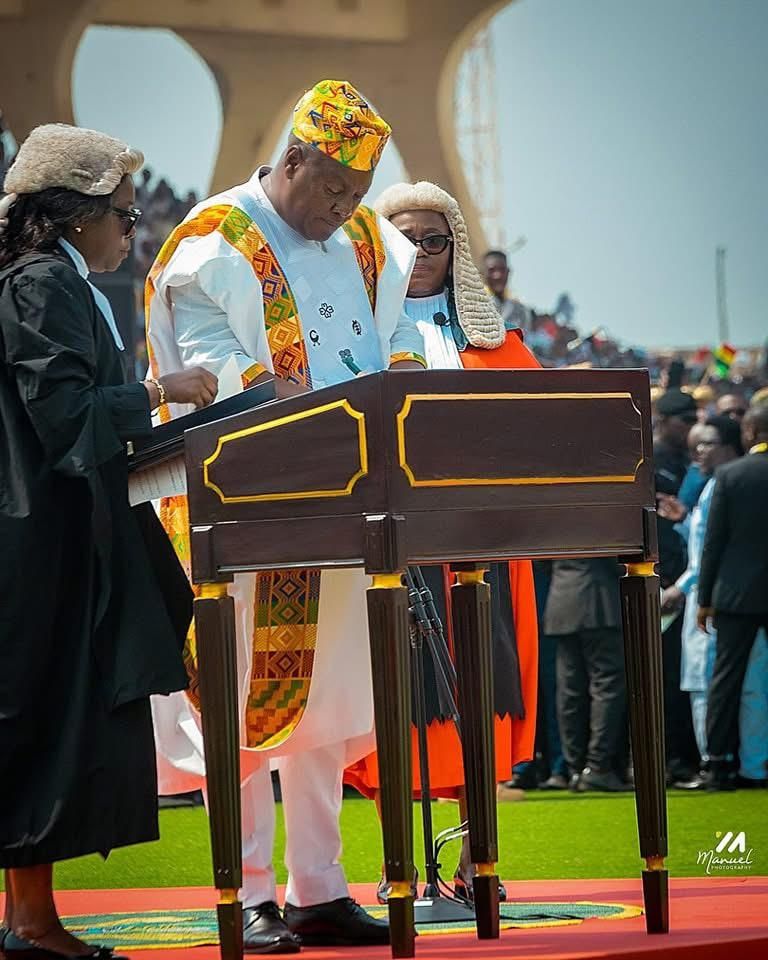
Cultural identity, as seen in this remarkable moment, promotes continuity of values, encourages tolerance and provides a framework for understanding diverse societies. It is the thread that connects individuals to their roots while enabling them to engage meaningfully with others.
A Legacy of Unity
The 2025 inauguration will be remembered as a celebration of not just political transition but also the cultural heritage of northern Ghana. President Mahama and Dr. Bawumia, through their actions and gestures, have demonstrated how cultural identity can be a unifying force in a divided world.
Their handshake, words and mutual respect epitomize the values of their shared heritage, proving that even in political rivalry, the bonds of culture can transcend differences. This moment should inspire all Ghanaians to embrace their cultural identities as tools for building a more united and harmonious nation.
Source: Nationaltyme.com