


By Annan Arhin Perry – Concerned Citizen

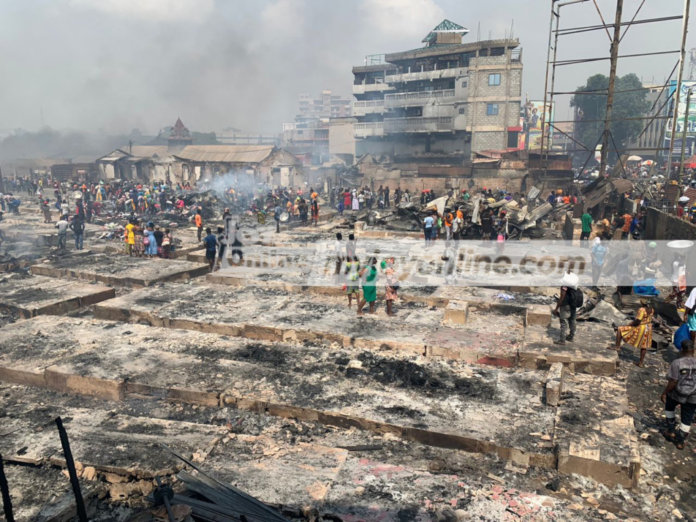
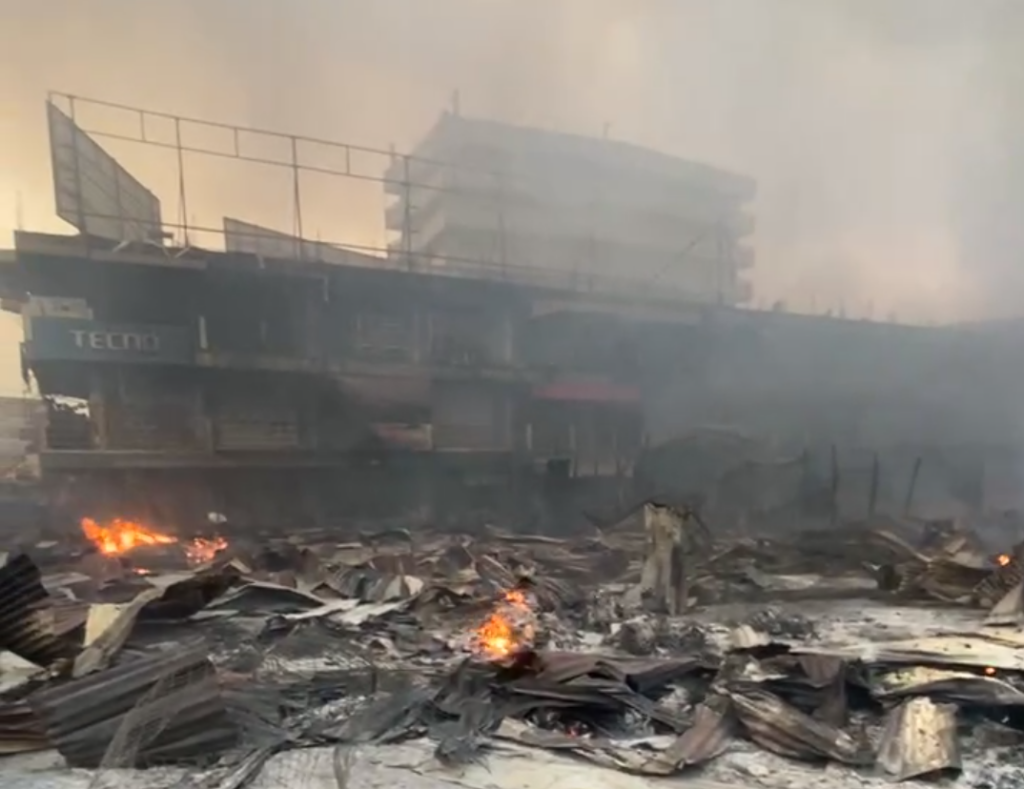
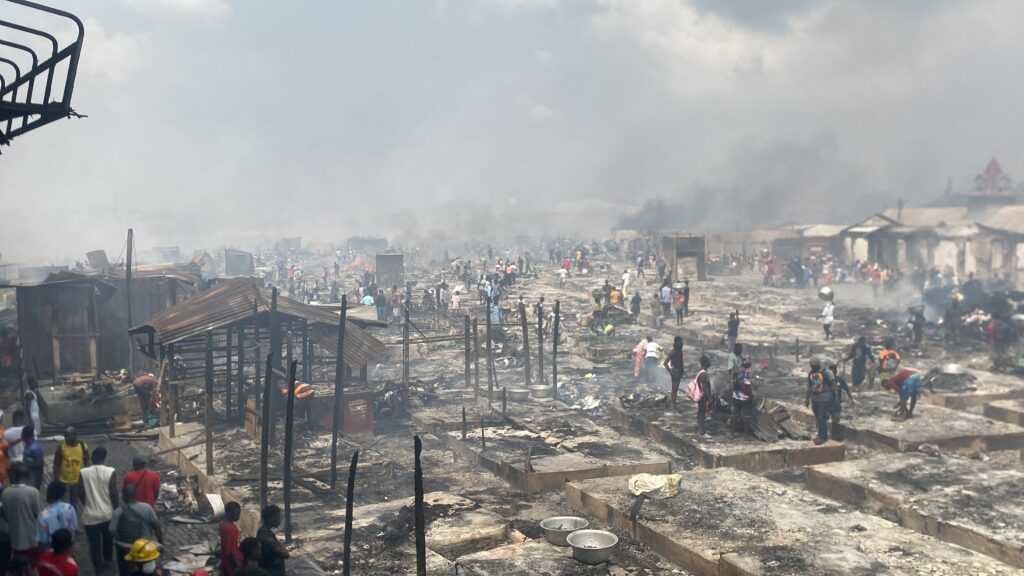
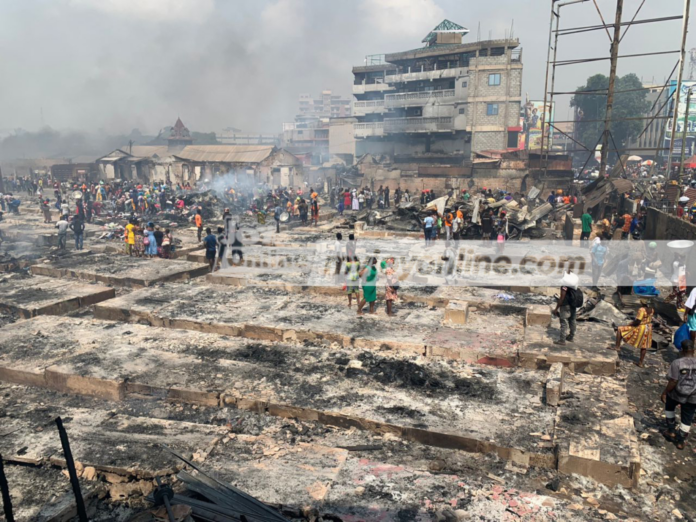
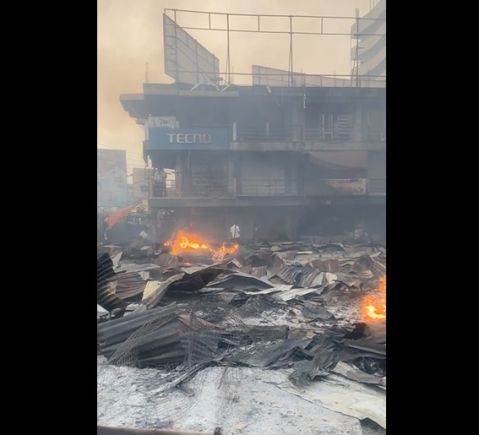
IN THE WAKE of the recent devastating fire at the Katamanto Market, Ghanaians are once again grappling with the specter of a string of suspicious market fires. The latest inferno has destroyed countless livelihoods, prompting questions about whether these incidents are mere coincidences or part of a larger, more sinister pattern.
A Troubling Historical Parallel*
This is not the first time Ghana has witnessed such calamities following a political transition. After the 2012 general elections, which saw the NPP lose power, a series of fire outbreaks plagued the nation. Here is a timeline of some of those alarming incidents:
1. 31st December 2012: Fire razed the Kumasi Central Market, sending shockwaves through the Ashanti Region.
2. 28th January 2013: A fire destroyed a transformer at the Achimota sub-station, disrupting power supply to parts of Accra.
3. 6th May 2013: Kantamanto Market was gutted, leaving traders devastated.
4. 15th May 2013: Structures and cash were burned in a fire at Agbogbloshie Market.
5. 28th May 2013: The Makola Shopping Mall was engulfed in flames.
6. 5th June 2013: Makola No. 2 Market suffered massive destruction from another fire.
The frequency of these incidents prompted President John Dramani Mahama to order investigations into what were termed “abnormal” fires. Despite these efforts, definitive conclusions about the causes of these fires remained elusive, leaving room for speculation and unease among citizens.
A New Wave of Devastation
Fast forward to 2025 and history seems to be repeating itself. The recent fire at Katamanto Market has once again raised alarms, coming shortly after a political transition where the NPP has been voted out of power. The timing and recurrence of these disasters have led many to question whether they are purely accidental or part of a deliberate scheme.
The Call for Vigilance
In light of these developments, it is imperative for state security agencies to be on high alert. The recurrence of market fires post-elections cannot be overlooked, especially given the economic and social impact they have on affected communities. With traders losing their entire livelihoods and goods worth millions of cedis destroyed, these incidents pose a threat not only to the economy but also to national security.
Seeking Answers and Accountability
As the nation mourns the losses from the Katamanto fire, it is crucial to conduct thorough investigations to uncover the root causes of these fires. Are they the result of negligence, poor safety standards, or deliberate sabotage? Without concrete answers, speculation will continue to thrive, further deepening mistrust among the populace.
Conclusion
Whether these incidents are a repetition of history or mere coincidence, one thing is clear: Ghanaians deserve transparency and proactive measures to prevent further tragedies. Let us hope that this time, the lessons from the past will not be ignored and decisive action will be taken to ensure the safety and security of all.
Source: Nationaltymes.com