

Ahmed M. Gedel Writes:
IN THE HEART of West Africa, a region renowned for its cultural diversity and rich heritage, lies a tale of neglect, discrimination, and marginalization. Fulanis, a widely spread ethnic group, has been subjected to unjust treatment in Ghana, perpetuating a cycle of suffering and stigma.

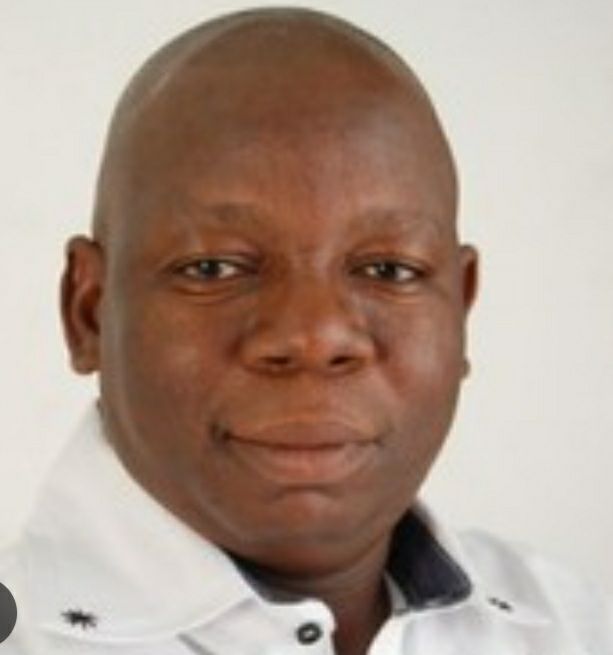
SnR. Lecturer Accra Technical University; and SnR. Accessibility Clerk officer at New York State Board of Elections, USA.
Despite their significant contributions to the country’s agricultural sector, they are often ostracized, labeled as foreigners, and denied access to basic social amenities.
The roots of this discrimination can be traced back to misconceptions, prejudices, and stereotypes, fueled by conflicts between Fulani herdsmen and local farmers. These conflicts, sensationalized by the media, have created a Fulanimophobia, leading to bigotry, ethnic labeling, and stigma.
The consequences are far-reaching, with many Fulani households isolating themselves to avoid trouble, thereby denying them access to education, healthcare, and socio-economic opportunities.
Ironically, the Fulani are not just herders but also citizens of Ghana, as affirmed by the Citizenship Act, 2000 (Acts 591), and the Ghanaian Constitution.
However, their citizenship is often overlooked, and they are treated as foreign nationals. This negation of their citizenship has led to a lack of representation, perpetuating their marginalization.
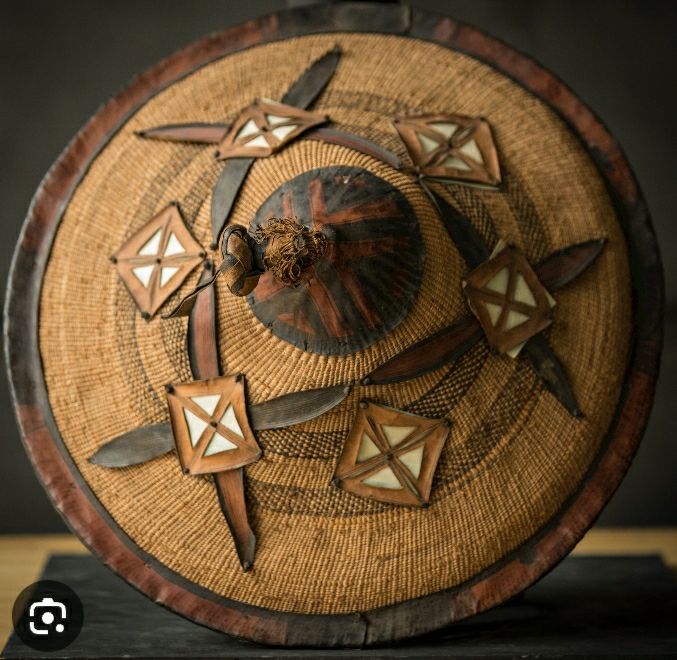
The silence of prominent figures like Samira Bawumia, who utilized the Fulani community for political gains without addressing their plight, is a stark reminder of the neglect they face. The NPP government’s inaction on this issue further exacerbates the situation.
It is time for Ghana to acknowledge the truth and beauty within the Fulani community, recognizing their contributions and rights as citizens.
We must move beyond the stereotypes and misconceptions, working towards inclusive policies and initiatives that address the socio-economic challenges faced by Fulani.
By doing so, we can begin to heal the wounds of marginalization, fostering a more united and equitable society where the Fulanis are valued and respected. The sparks of truth and beauty within this community must be celebrated, and their plight must no longer be ignored. It is our collective responsibility to create a Ghana where the Fulanis are treated with dignity and respect, and their citizenship is acknowledged and valued.

Ahmed Mohammed Gedel,
SnR. Lecturer Accra Technical University; and SnR. Accessibility Clerk officer at New York State Board of Elections, USA.
Source:Nationaltymes.com