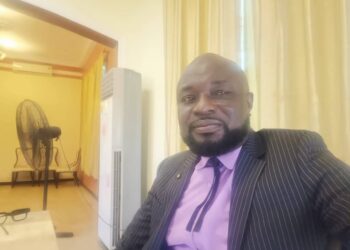


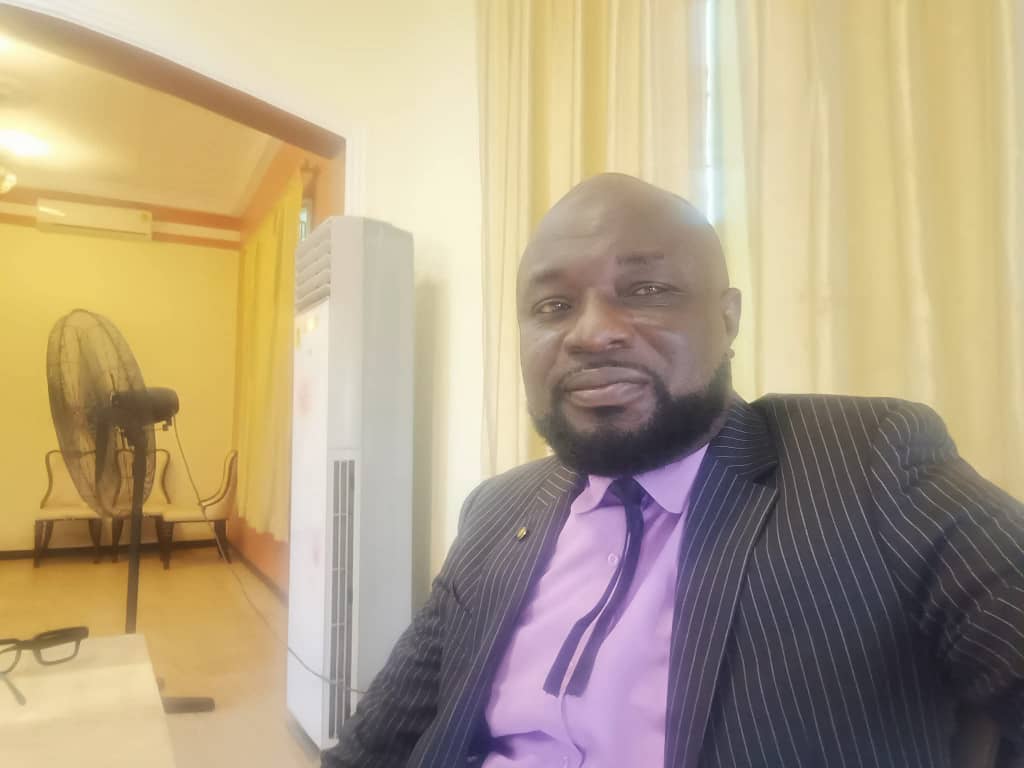
By Mohammed Amin Lamptey Hussein
Expert in Political Communication / Lecturer

POLITICAL communication is an interactive and dynamic process involving the creation, transmission, and exchange of information, opinions, symbols, and ideas among political actors, governing institutions, the news media, and the public.
It connects politicians, government agencies, political parties, interest groups, the news media, and citizens, with the aim of developing effective communication skills that shape discourse in the national interest.
Political communication flows in multiple directions: from leaders to the public through policy announcements and campaign speeches; among political actors through debates and negotiations; and from the public to authorities through public opinion, voting, and protests.
According to experts, its fundamental purpose is to inform, persuade, shape public opinion, build narratives, mobilise voters, and influence the allocation of public resources and governance decisions.
Political Communication Under Pressure
Political communication in developing countries, including Ghana, faces intense pressure from media capture, political polarisation, and digital restrictions, though it has not uniformly collapsed. With the rise of technology, the internet, unregulated social media platforms, and now Artificial Intelligence, the situation appears to have worsened.
Mainstream political actors frequently influence or poach media stalwarts, “buying” or establishing outlets to control the public agenda. This capture in some developing countries, including Ghana, shows how executive power and patronage can undermine the watchdog role of the press.
Governments across regions also use content moderation laws, licensing controls, censorship, and direct legal action to penalise critical reporting or silence dissent.
While digital and social media offer alternative spaces for political expression, effective communication is constrained by high internet costs, digital divides, and selective state-imposed internet blockages or surveillance in other parts of the developing world.
Contemporary political communication increasingly centres on the individual style, brand, and skills of populist or dominant leaders rather than on institutional platforms. This has contributed to widespread public cynicism and vulnerability to misinformation and unsubstantiated allegations.
The Rise of Alternative Media
Alternative media refers to communication channels, content, and production models that exist outside of, or in direct opposition to, mainstream corporate and state-controlled mass media.
Described by experts as an unregulated media ecosystem, they reject traditional corporate ownership structures, commercial advertising dependencies, and centralised media conglomerates.
They focus on viewpoints, marginalised communities, and political narratives that are often ignored, underreported, or filtered out by the editorial policy of structured and professional mainstream outlets.
They frequently blur the line between producer and consumer, enabling citizen journalism, horizontal communication, and grassroots audience involvement. With freedom of expression and freedom to own a media outlet, a number of citizens and untrained journalists have taken over the core values of effective political communication, with some unqualified political communicators dominating important national and political discourse.
They are defined by their orientation, bias, and agenda-setting rather than by a specific medium, spanning digital platforms, podcasts, newsletters, community radio, independent film, and street art.
Citizen journalism, civil society campaigns, and online activism continue to pierce through the traditional media landscape and state gatekeeping. Independent press unions, watchdog organisations, and regional advocates regularly push back against censorship, demanding constitutional and legal reforms to safeguard free speech. But the situation sometimes looks very different, and at times dangerous to democracy.
Who Is a Qualified Political Communicator?
A qualified political communicator should possess a blend of formal expertise, strategic insight, and strong interpersonal, logical, and analytical skills, rather than just raw popularity or rhetorical flair. Being eloquent in a language is not a licence to be a qualified political communicator.
According to experts across the globe, a qualified political communicator must have a solid degree in communication, public relations, journalism, political science, or marketing. These disciplines provide the required communication skills, after taking time to study political communication as a subject matter.
What do we see in Ghana today? Just because a person speaks impeccable English or any of the local languages, he or she is described and introduced as a political communicator.
I have always described them as noise makers without the tools and abilities to occupy this position. Check how aggressive and passive some of them are on radio and television programmes, instead of being assertive, good listeners, and effective communicators.
Every qualified political communicator must possess technical and strategic competence, and be skilled in message content, packaging, delivery, clarity, focus group testing, data analytics, stakeholder mapping, and crisis management.
He or she must be capable of researching critical national issues with verifiable feedback, constituent or voter concerns such as the economy, safety, and daily livelihoods, and tailoring messages across traditional and digital media platforms, as well as on television and radio.
A qualified political communicator must also be able to counter misinformation, disinformation, and opposition propaganda with verified facts and composure, rather than insults or emotive attacks, as we have seen in recent times, even this morning on TV3.
The Problem With Party Communication Departments
Some experts actually blame the current phenomenon on the calibre of people occupying the communication departments of our leading political parties in the country. Information available suggests that most of these persons are untrained communicators, let alone trained in political communication. They are elected because they can speak, are eloquent in a language, are vociferous, and sometimes verbally or physically attack opponents or co-panellists on a programme.
It is imperative to state that communication leadership is a technical management and internal strategic role, rather than an elective popularity contest.
What a Qualified Political Communicator in Ghana Needs Today
An effective political communicator requires a core set of qualities to build trust, shape public perception, and connect with diverse audiences:
1. Effective Clarity: The ability to break down complex policies, issues, and data into simple, accessible language without heavy jargon and without disrespect to opponents and citizens.
2. Accuracy, Authenticity and Trustworthiness: You must be genuine, honest, transparent, and consistent in your messaging to establish and maintain credibility with citizens and the general public.
3. Empathy: You must be an active listener to your critics and constituents, understand their daily struggles, aspirations, and values, and tailor your message to reflect those concerns.
4. Persuasiveness: You must be persuasive by constructing critical, logical, and compelling arguments, handling counterarguments effectively, and using strong storytelling and emotional resonance in your engagements, regardless of propaganda or inconveniences.
5. Audience and Platform Adaptability: You must know your target audiences, demographics, locations, and mindsets, so you adjust tone, style, mannerisms, body language, and medium, such as social media, press releases, or live public speaking, to fit the platform.
6. Crisis Management and Composure: You must control your emotions and maintain composure and self-discipline to remain calm, poised, and decisive under high-pressure situations, including interjections and disruptions, through early problem detection and strategic and transparent rectification.
It is imperative to maintain a deep knowledge of political engagements, processes, current events, and the specific impact of proposed policies on the nation, disregarding personal interest, selfishness, and ulterior motives.
Conclusion
Effective political communication is the backbone of a stable and functioning democracy like Ghana’s infant democracy. It involves a two-way exchange of ideas, policy details, and feedback between leaders, institutions, and citizens. Ghanaians must try to build public trust and legitimacy, and help bring to the fore clear, honest, and transparent messaging from leaders to foster credibility and reinforce democratic legitimacy.
Our political parties must wake up from their political slumber and organise workshops to help drive policy support and participation through effective political communication. When governments explain complex policies in a citizen-centric way, it encourages high political participation, voluntary compliance with laws, and active civic engagement regardless of diversity.
It is important to state that it is about time Ghana learns from countries that have suffered irreparable destruction in their governance and democracy. Ghana must provide a system to facilitate two-way feedback. Effective political communication is not just top-down propaganda; it opens channels for citizens to voice concerns, allowing leaders to adjust policies to real community needs.
We need to take the bull by the horns and effectively manage all crises to help prevent unrest. In strategic and effective political communication, timely, honest, accurate, and verifiable information reduces uncertainty during national emergencies, preventing public panic, protests, and reputational damage to the state, as we see today regarding the issuance of diplomatic or service passports.
In diplomatic communication and international public relations, Ghana is currently washing its dirty linen in public and deliberately damaging the core values, reputation, and brand of Ghana as a recognised democratic nation in West Africa.
Source: Nationaltymes.com