


Nat’l Tymes News Desk

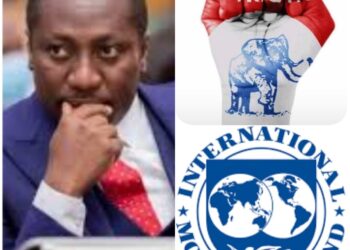
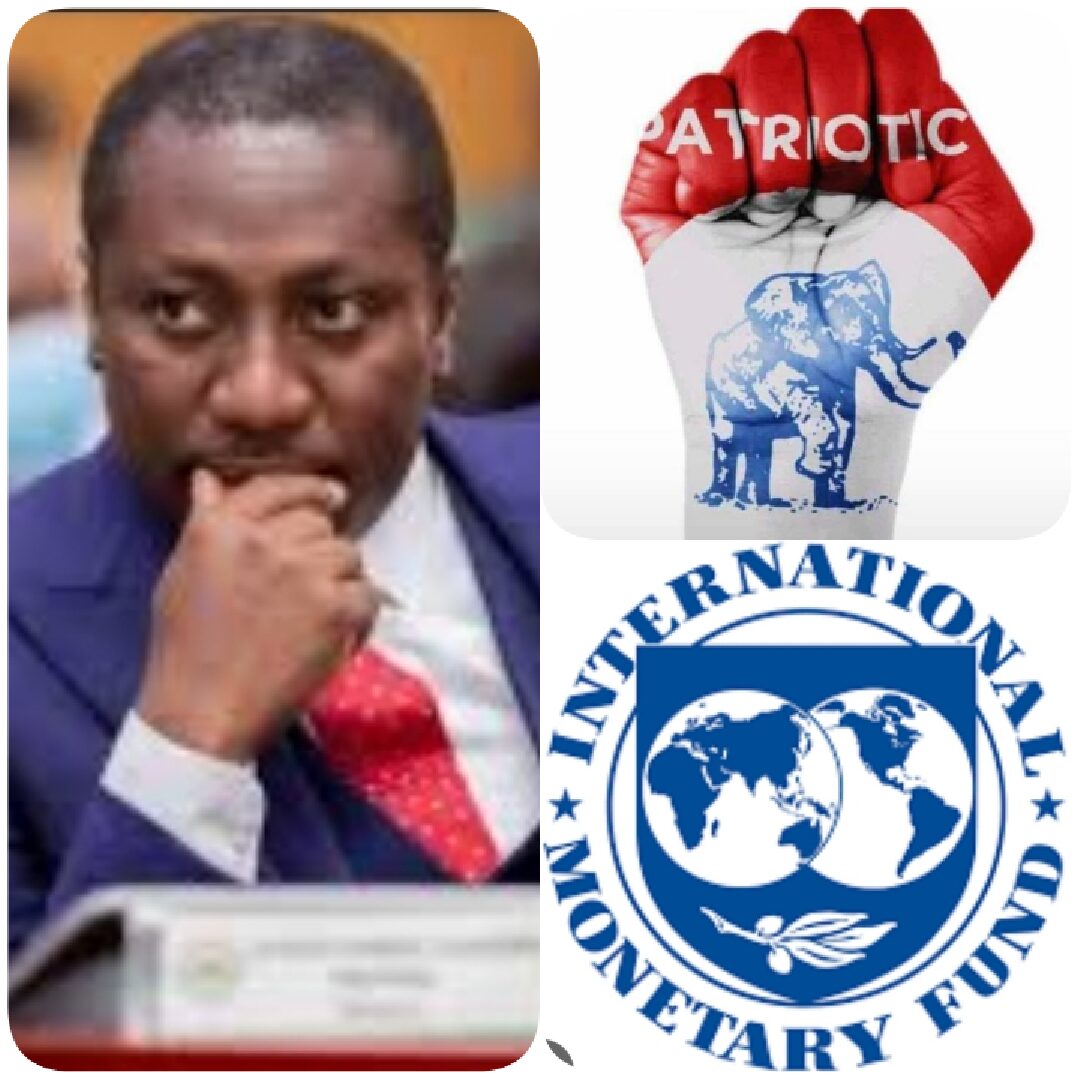
THE POLITICAL battle over Ghana’s economic recovery has taken a fresh turn, with the New Patriotic Party (NPP) opposition relying heavily on a reported US$1.7 billion GoldBod figure attributed to the International Monetary Fund (IMF) to criticise the government.
The development has raised eyebrows among political observers, who are asking whether the NPP, which has traditionally criticised Ghana’s dependence on the IMF, has now found an unlikely political ally in the Fund.
The controversy follows claims by the NPP Minority in Parliament and some of its leading communicators that the Ghana Gold Board (GoldBod) suffered a loss of about US$1.7 billion in its gold transactions, allegedly based on information contained in an IMF report.
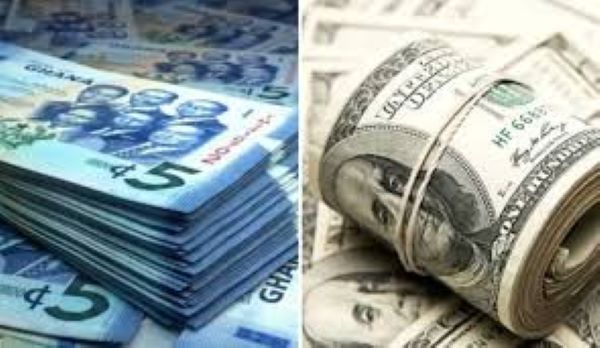
The figure has since become a major political weapon for the opposition NPP as it seeks to question the government’s management of GoldBod and the wider economy.
The NDC and government supporters, however, have rejected the description of the amount as a straightforward cash loss. They argue that the figure is linked to accounting and valuation effects and should be properly understood before being presented to the public as money lost by the state.
The Minority Leader, Alexander Kwamina Afenyo-Markin, has been at the forefront of the opposition’s criticism, with other NPP figures also joining the debate.
But GoldBod Chief Executive Officer, Lawyer Sammy Gyamfi, and NDC supporters say the opposition is selectively using the US$1.7 billion figure to create the impression that GoldBod has failed, while ignoring broader economic developments.
Government communicators and supporters point to falling inflation, improved fiscal management, stronger foreign exchange conditions, increased reserves and renewed investor confidence as signs that the economy is gradually being stabilised.
They argue that the performance of the economy must be assessed as a whole rather than through one disputed figure. The controversy has also revived the debate over the NPP’s position on the IMF.
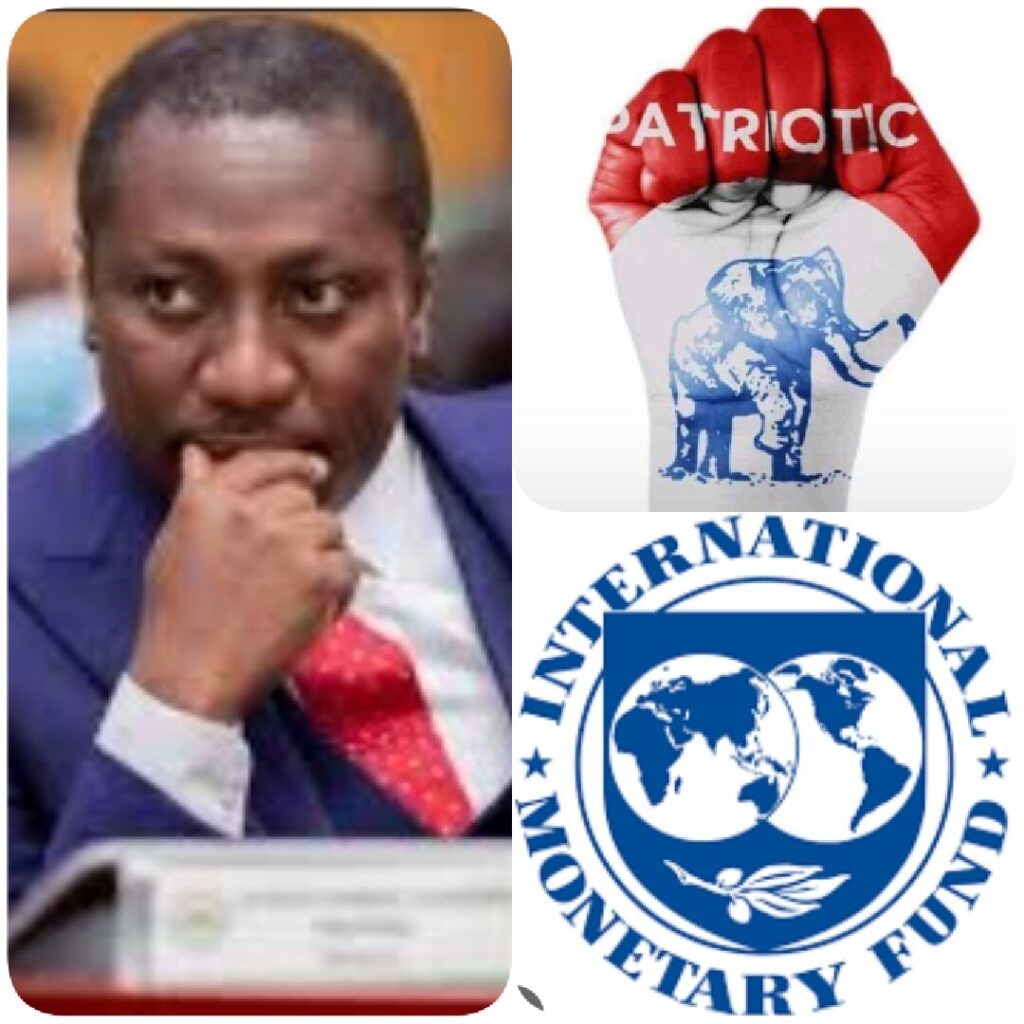
The NPP has historically criticised the NDC over Ghana’s repeated dependence on the Fund and has argued for stronger domestic economic management.
NDC communicators and supporters are therefore questioning why the opposition would now place such emphasis on an IMF-attributed figure in its campaign against the government.
The NPP, however, insists that using IMF data does not amount to supporting the Fund and that its duty as the Minority is to scrutinise government policies and protect the public purse.
For the NDC, the bigger issue is whether the government has succeeded in moving the economy away from the difficult conditions it inherited from the NPP.
As the political arguments continue, the Institute of Economic Affairs (IEA) has also joined the debate to set the record straight, arguing that the US$1.7 billion figure referred to in the IMF report should not be interpreted as a straightforward monetary loss, but rather as a valuation-related cost.
This has left Ghanaians to consider whether the US$1.7 billion figure represents a genuine financial loss to the state or whether its meaning has been politically exaggerated.
Meanwhile, the Speaker of Parliament, Right Hon. Alban Sumana Kingsford Bagbin, according to a letter addressed to him by the Minority on August 21, 2026, has directed Parliament to invite GoldBod and the Bank of Ghana (BoG) to explain the circumstances surrounding the alleged reported loss.
The political debate is therefore expected to continue, with both sides presenting different interpretations of the same figure.
For government communicators and supporters, however, the real test is whether the recent economic improvements can be sustained and eventually translate into more jobs, affordable living costs, stronger businesses and better living conditions for Ghanaians.
Source: Nationaltymes.com