

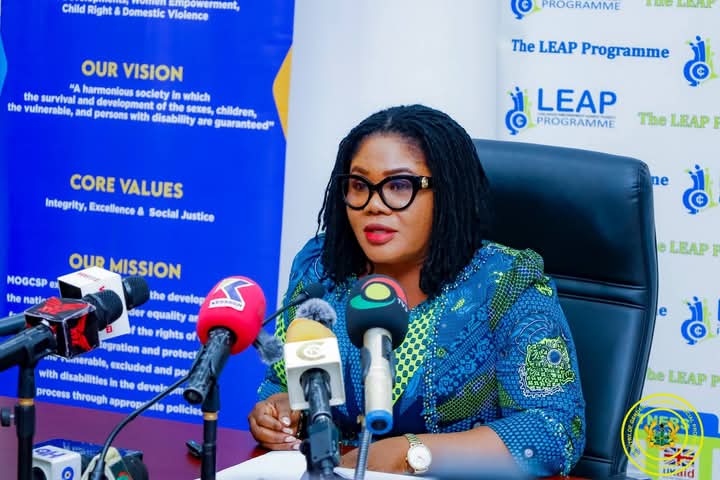

PUBLIC pressure is mounting on the government to urgently review the current GHC2.00 daily allocation per child under the Ghana School Feeding Programme, following recent remarks by the Minister for Gender, Children, and Social Protection, Hon. Dr. Agnes Naa Momo Lartey.

During a visit to selected schools in Accra on Thursday, September 4, 2025, the Minister acknowledged the inadequacy of the current allocation and expressed her desire for the figure to be increased to at least GHC5.00—ideally GHC10.00 per child. Her comments come in response to an open letter issued earlier by education and social protection advocate, Nii Ayitey Armah Nungua.
In a follow-up statement, Mr. Armah welcomed the Minister’s candid admission, praising her commitment to advocating for better nutrition for school children. He, however, stressed the urgent need for action beyond advocacy.
“While the programme has contributed significantly to increased enrolment and attendance in schools, its impact is being undermined by the inability of caterers to provide wholesome meals within the current budgetary constraints,” Mr. Armah said.
He further emphasized that the issue goes beyond affordability and touches on the dignity and health of children across the country, many of whom rely on the programme for their only decent meal each day.
“The welfare of children, who represent the future of our nation, must be prioritized above all else,” he added, urging government and stakeholders to fast-track the review process.
The School Feeding Programme, introduced to support basic school pupils with nutritious meals, has long faced complaints over delays in payments and insufficient funding. Caterers across several regions have threatened to withdraw their services, citing rising food costs and inadequate funds to operate effectively.
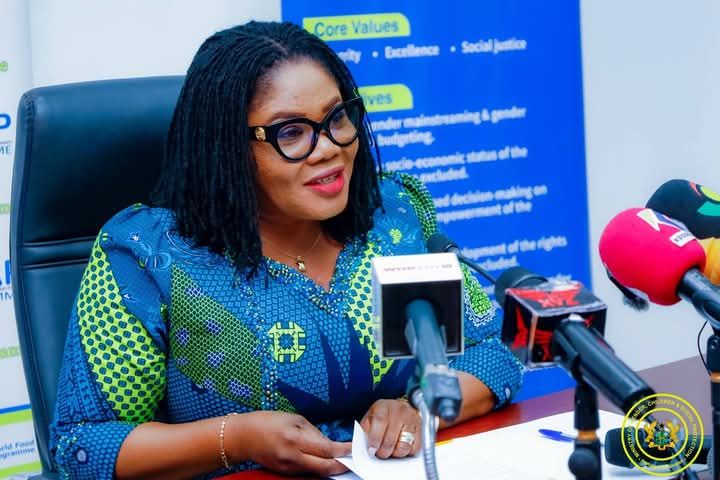
While Minister Lartey assured the public that the ministry is pushing for an increment as the economy recovers, stakeholders insist that an immediate adjustment is necessary to maintain the credibility and sustainability of the programme.
Social policy analysts argue that boosting the per-child allocation will not only improve nutrition but also enhance learning outcomes and overall school performance.
Nii Ayitey Armah concluded by calling on the Finance Ministry, Parliament, and civil society to support the push for a realistic allocation, describing it as a vital investment in Ghana’s human capital development.
Source: Nationaltymes.com