

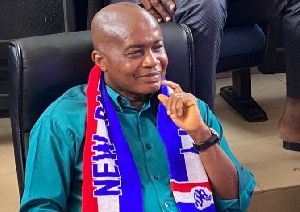
AFTER NEARLY eight years in power marked by economic hardship and a deepening energy sector crisis, the New Patriotic Party (NPP) – now in opposition – is making headlines with proposed solutions to the very problems it helped create.

Ahead of the 2016 elections, the NPP rode on the promise of shifting Ghana “from taxation to production” to deliver widespread relief. However, midway through its second term under President Nana Akufo-Addo and Vice President Dr. Mahamudu Bawumia, public perception shifted dramatically, with many Ghanaians viewing the party as the source of intensified national challenges across sectors such as energy, mining, healthcare, infrastructure and the economy.
One of the most controversial chapters of the NPP’s governance was its handling of the energy sector. From mismanaging the Electricity Company of Ghana (ECG) to the failed Power Distribution Services (PDS) deal, the party faced widespread backlash.
The administration’s introduction of new taxes – including the emissions tax, betting tax, COVID-19 levy, and the E-Levy – only deepened public frustration.
Now, in a striking twist, the NPP – through its Minority in Parliament – is offering a three-point roadmap to address Ghana’s ballooned energy sector debt created by them (NPP), which currently exceeds GH₵80 billion.
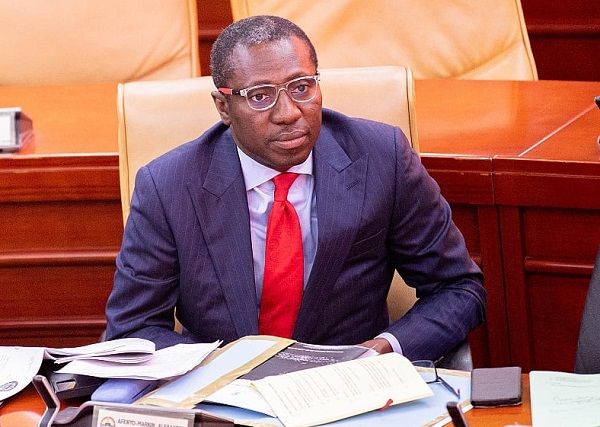
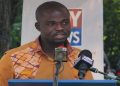
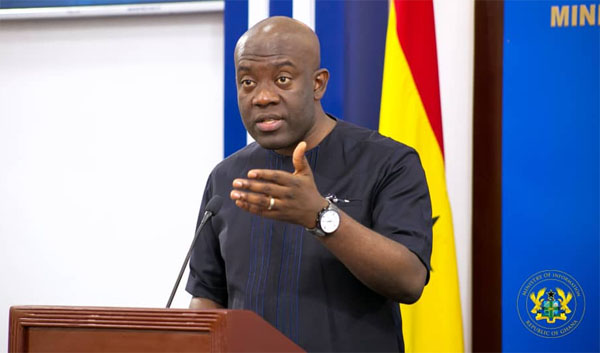
At a press conference in Accra, Kojo Oppong Nkrumah, the Ranking Member on Parliament’s Economy and Development Committee, urged the government to adopt strategic, sustainable reforms rather than impose additional financial burdens on citizens – such as the recent 8% (GHC1.00 per litre) fuel levy.
“If the government is truly committed to solving the energy sector’s financial problems, it must move beyond taxes and address the structural issues at the root of the debt crisis,” Oppong Nkrumah said.
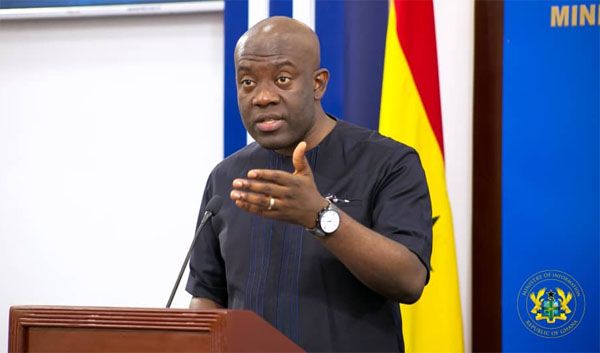
The NPP Minority’s Three-Point Proposal:
- Renegotiate Power Agreements.
The Minority called for urgent renegotiation of existing power purchase agreements (PPAs), particularly costly “take-or-pay” contracts that have left Ghana paying for unused electricity.
“These contracts are at the core of our energy sector debt,” said Oppong Nkrumah, noting that the government must finalize its renegotiation efforts to curb unnecessary expenditures. - Accelerate Shift to Renewable Energy.
Stressing the need to diversify the energy mix, the NPP urged a national pivot toward renewable energy sources like solar and wind.
“This shift will reduce our dependence on fossil fuels, cut costs, and protect us from global oil price shocks,” Oppong Nkrumah explained. - Restructure IPP Financial Deals
The third proposal focuses on restructuring financial agreements with independent power producers (IPPs). The aim is to integrate fuel and capacity charges into PPAs, allowing the Public Utilities Regulatory Commission (PURC) to set fair and transparent tariffs.
“This move will create more predictable pricing and reduce sudden consumer shocks,” he added.
Government, Analysts Push Back: “Too Little, Too Late”
Several government officials and energy sector analysts have dismissed the NPP Minority’s proposals as not only ironic but insufficient, given the party’s own track record in office.
- Renegotiation of Power Agreements?
Critics argue that the NPP had ample time while in power to renegotiate the very PPAs they now condemn.
“From 2017 to 2023, they controlled the executive and had every opportunity to cancel or rework these deals. Instead, they signed additional agreements, worsening the capacity payment burden,” said a senior energy consultant.
Government insiders add that the Mahama administration had already initiated renegotiation efforts that were delayed and eventually abandoned by the NPP. - Shift to Renewables?
While the Minority calls for investment in renewable energy, critics highlight that renewable adoption was minimal under the NPP’s tenure.
“Where were the large-scale solar and wind projects when they had access to billions in loans and donor funds?” asked a former Energy Ministry official.
Analysts note that while the call for renewables is sound, it rings hollow coming from a party that prioritized thermal generation and oversaw stalled green energy initiatives. - Restructuring IPP Financial Terms?
As for restructuring IPP agreements, current government officials argue that the NPP had previously refused to review or audit many of these arrangements when in office.
“They locked us into binding contracts with little transparency. PURC wasn’t empowered then, but now they talk about tariff transparency?” said a deputy energy minister.
Critics also caution that integrating more costs into PPAs could backfire on consumers if not handled with long-term planning — something the NPP failed to demonstrate while in power.
As the debate grows over the recent 8% fuel levy, the Minority’s proposals are expected to spark further political and public discourse on how best to fix Ghana’s long-troubled energy sector created by the NPP administration.
Source: Nationaltymes.com