

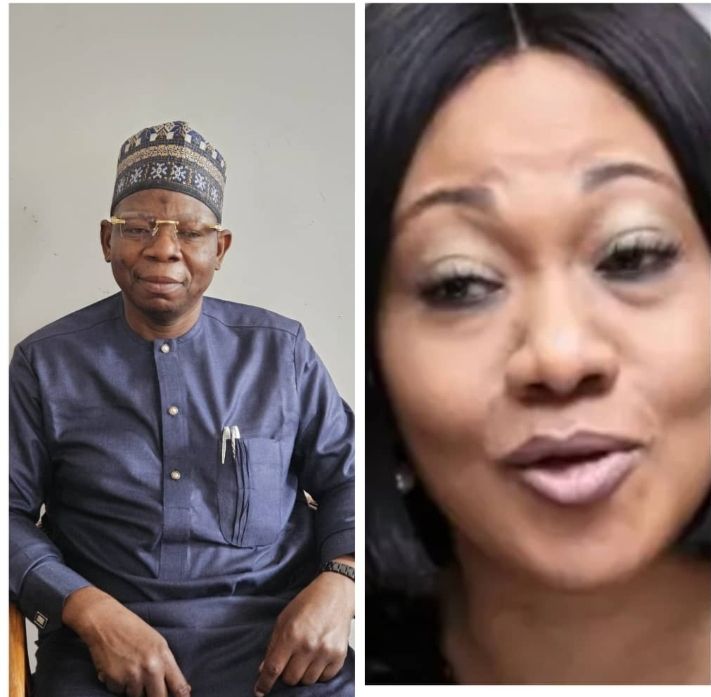
By Ahmed M. Gedel, former Technical Advisor on Biometric Technology to the NDC at the Electoral Commission.

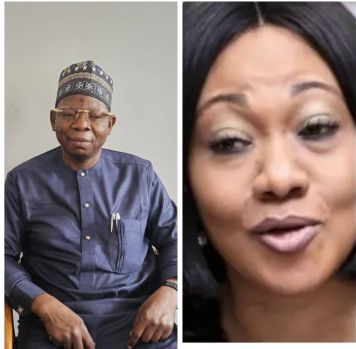
GHANA’S Electoral Commission (EC) is once again in the spotlight as seven different petitions calling for the removal of its Chairperson, Mrs. Jean Adukwei Mensa, have been formally submitted to the President.
As required by Article 146 of the 1992 Constitution, President John Dramani Mahama has forwarded these petitions to the Chief Justice to determine whether there is enough evidence to begin a full investigation.
According to political and governance analysts, the issues raised in the petitions go far beyond party politics. They strike at the heart of Ghana’s democracy, raising serious concerns about transparency, accountability, and constitutional compliance within the Electoral Commission.
Many critics argue that under Mrs. Mensa’s leadership, the EC has taken decisions that have weakened public trust and, in some cases, denied citizens their basic electoral rights.
Below are the main concerns driving the calls for her removal:
1. Issuing Contradictory Election Results
Petitioners say the EC under Mrs. Mensa became the first in Ghana’s history to release three different sets of presidential election results for the same election. This, they argue, badly damaged public confidence in the Commission’s accuracy and credibility.
2. Changing Long-Standing Voter Registration Practices
Critics point to Mrs. Mensa’s decision to restrict voter registration to district offices rather than taking centres closer to communities, as has been done in the past. This shift, they argue, reduced access for many citizens, especially those in remote areas, and raised questions about equal participation in elections.
3. Questionable Voter Registration Figures
During the most recent voter registration exercise, the EC’s daily figures were widely criticized for inconsistencies. Analysts said the confusing numbers suggested weaknesses in data management and raised doubts about the accuracy of the final voter register.
4. Refusal of an Independent Audit
In an already tense electoral environment, the EC Chair’s reported refusal to allow an independent audit of the voter register increased public suspicion. Transparency advocates emphasize that audits are normal oversight tools and rejecting one only deepens mistrust.
5. Arbitrary Disqualification of a Candidate
The disqualification of the NDC parliamentary candidate for Amenfi Central is another major concern. Critics say the decision lacked sufficient legal basis and reflected inconsistent application of electoral laws—an action that can unfairly shape electoral outcomes.
6. Controversial Court Action Before a Major Election
Another issue raised is the EC’s decision to join a court action seeking to lift an injunction on an already-cancelled election just weeks before the 2024 national polls. Many believe this move was unnecessary, risked confusion, and could have disrupted the election calendar.
7. The SALL Disenfranchisement
Perhaps the most serious accusation concerns the people of Santrokofi, Akpafu, Likpe, and Lolobi (SALL). After the creation of the Oti Region and the Guan Constituency, the EC announced—just a day before the 2020 elections—that SALL residents could vote only in the presidential election but not in the parliamentary one.
This decision left more than 17,000 eligible citizens without a Member of Parliament for a full four-year term. Many constitutional experts have described this as a historic violation of the right to representation, blaming it on the EC’s boundary and administrative decisions.
A Critical Moment for Ghana’s Electoral System
Together, these allegations—ranging from administrative lapses to constitutional violations—form the foundation of the national call for a thorough, impartial inquiry into the leadership of the Electoral Commission.
As the Chief Justice begins the constitutional review process, many Ghanaians are watching closely. The final decision, they say, will determine not only the fate of Mrs. Jean Mensa but also the future credibility of Ghana’s electoral system.
Whether this moment becomes a step toward strengthening electoral accountability or deepens public mistrust remains to be seen.
Source: Nationaltymes.com