



THE GHANA Revenue Authority (GRA) is set to crack down on landlords and property owners who fail to pay taxes on rental income, as part of efforts to widen the tax net and increase domestic revenue.

The Authority has also cautioned tenants against colluding with landlords to evade taxes. GRA warns that tenants who knowingly assist landlords in concealing rental arrangements from tax officers risk prosecution. Such actions, according to GRA, undermine tax compliance and hurt national development.
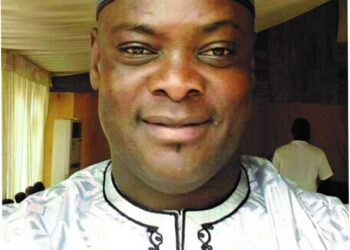
Dominic Naab, Assistant Commissioner in charge of Policy and Programmes at the GRA, revealed during News Editors forum in Aacra, that some landlords collude with tenants by falsely claiming they are relatives living in a family home to avoid taxation.
He described this behaviour as fraudulent and urged both landlords and tenants to cooperate with the Authority’s ongoing compliance efforts. To this, he pleaded with the media to help in educating these landlords and tenants desist from this fraudulent act.

Under the Income Tax Act, 2015 (Act 896), landlords are required to pay 8% tax on residential rental income and 15% on commercial or non-residential properties, within 30 days of receiving payment. Non-compliance attracts steep penalties, including 125% interest compounded monthly.
To identify defaulters, the GRA is working with district assemblies using location-based data to determine which properties are owner-occupied versus rented. According to officials, this data-driven strategy ensures fairness in taxation and strengthens national development.
Meanwhile, the GRA has launched a nationwide educational campaign to raise awareness about rental income tax obligations.
The campaign will help landlords understand compliance processes and emphasize the benefits, including improved credibility with banks and legal backing for tenancy agreements.
GRA also called on Ghana’s Rent Control Department to support the initiative by encouraging best practices among landlords and tenants.
Source: Nationaltyme.com