


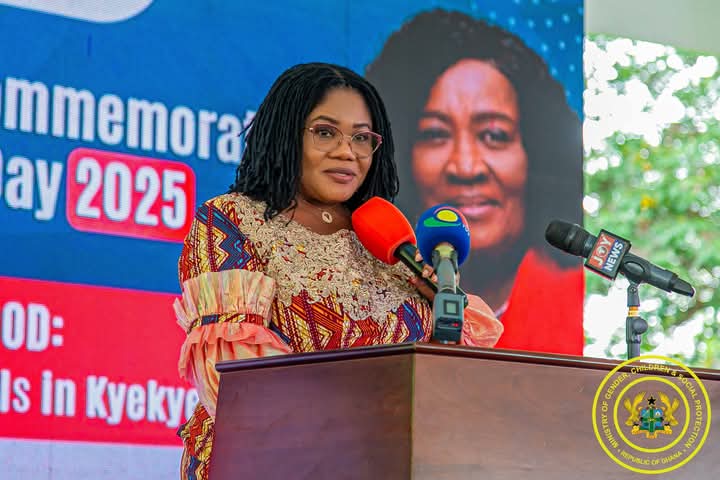
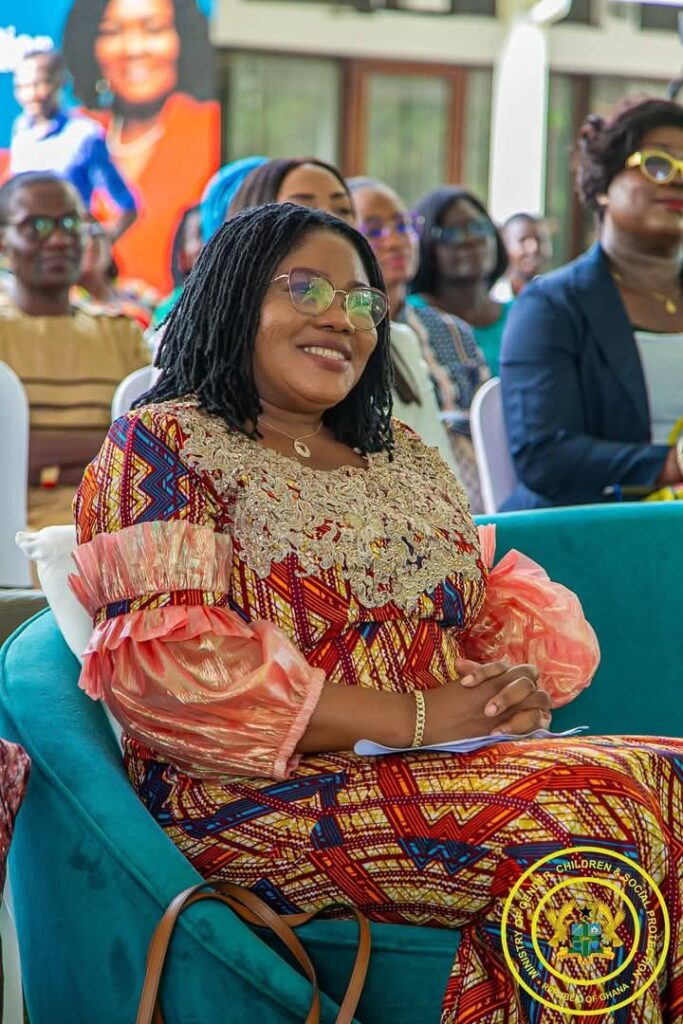
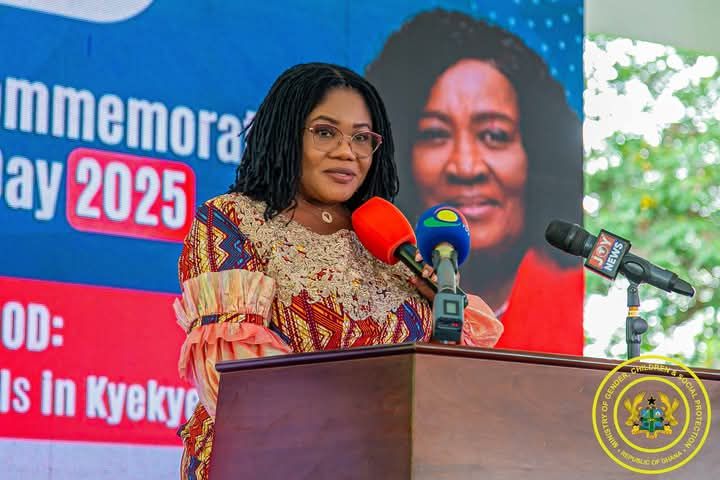
IN A POWERFUL observance of World Menstrual Hygiene Day 2025, Ghana has taken a bold step toward dismantling cultural taboos and ensuring dignity for girls and women.

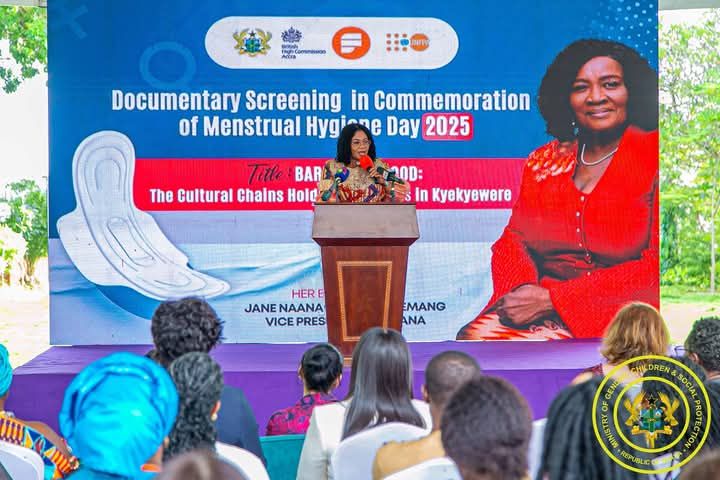
A documentary screening in Accra, organized under the auspices of the Office of the Vice-President and in collaboration with the Ministry of Gender, Children and Social Protection, the British High Commission, UNFPA, and other development partners, noted the challenges faced by girls in managing menstruation due to entrenched cultural beliefs.
The documentary, titled “Barred by Blood: The Cultural Chains Holding Back Girls in Kyekyewere,” exposes the myths and discriminatory practices that hinder girls’ education and self-worth, particularly in rural communities.
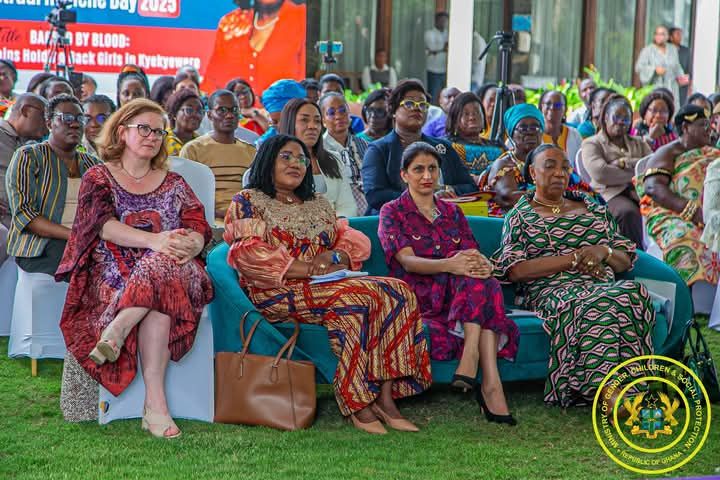
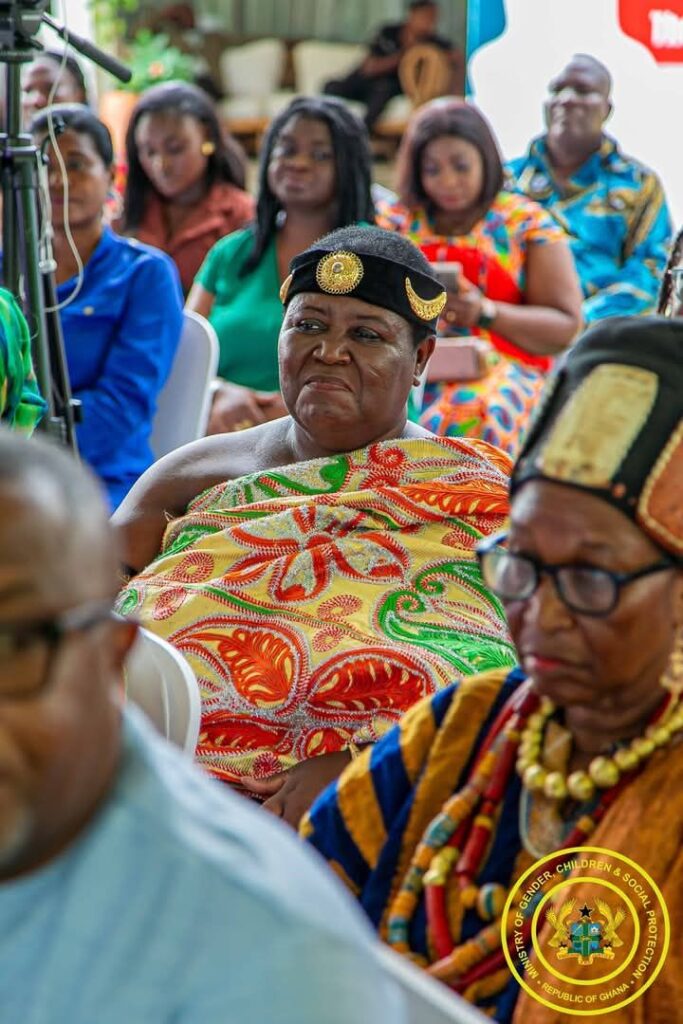
The screening brought together traditional and religious leaders, civil society organizations, development partners, government officials, and the media, fostering a platform for honest dialogue and a renewed commitment to ending period poverty and menstrual-related discrimination.
Minister for Gender, Children and Social Protection, Hon. Dr. Agnes Naa Momo Lartey, described the documentary as a call to action. She reiterated the government’s commitment to advancing menstrual health and hygiene, emphasizing that no girl should miss out on education or opportunities because of her period.
Dr. Naa Momo Lartey has previously advocated for tax waivers on sanitary pads to make them more affordable, especially for girls in rural areas, and has pledged to work with the Finance Minister on introducing policies to support local production of sanitary pads and remove taxes on their production and sale.
This year’s theme, “Together for a Period-Friendly Ghana,” reflects a growing national consensus that menstrual health must be prioritized through education, policy change, and community engagement. The documentary screening and subsequent discussions are part of broader efforts to integrate menstrual hygiene into the educational curriculum and to provide proper menstrual health support to protect girls’ dignity, improve academic performance, and reduce dropout rates.

As the documentary continues to spark conversations nationwide, stakeholders are encouraged to translate awareness into meaningful action to ensure every girl can manage her menstruation safely, hygienically, and with dignity.
Source: Nationaltymes.com