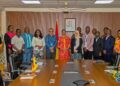


THE GHANA INDEPENDENT Broadcasters Association (GIBA) has filed a mandatory injunction at the High Court against the Ministry of Communications and Digitalisation (MoCD) and KNet Ghana Limited.

The legal move challenges what GIBA describes as unlawful fee demands for TV channel hosting and “Contribution Link Services,” which it claims lack legal backing and parliamentary approval.
GIBA’s lawsuit is a bold stand to protect the interests of broadcasters, ensure regulatory compliance and safeguard media freedom in Ghana.
The Case Against MoCD and KNet
In its statement, GIBA highlights several concerns:
The Ministry allegedly mandated KNet Ghana Limited to exclusively provide “Contribution Link Services” and impose arbitrary fees for these services without legal authority.
The Ministry reportedly established unapproved “Digital Terrestrial Television (DTT) Channel Hosting Fees,” which broadcasters are required to pay to a Central Digital Transmission Company Ltd.
KNet Ghana Limited, acting on the Ministry’s directive, has allegedly blocked broadcasters from the National DTT platform for non-payment of these fees.
According to GIBA, these actions threaten the survival of many broadcasters who cannot afford the fees or have refused to pay on principle, citing their unlawful nature.
A Threat to Media Freedom
GIBA argues that these fees violate statutory and regulatory standards and could lead to indirect government control over the media. This, the association warns, could result in exorbitant charges that force media outlets to shut down or compromise their independence.
“These actions represent a dangerous development for electronic media services operating on the National DTT platform and constitute an affront to the freedom of the media as enshrined in the 1992 Constitution,” GIBA stated.
Seeking Legal Redress
GIBA’s injunction seeks to:
1. Stop the collection of unlawful fees where no contractual agreement exists.
2. Restore access to the DTT platform for broadcasters who have been disconnected.
3. Prevent KNet from blocking any broadcaster over non-payment of non-contractual fees until the case is resolved.
The association’s president emphasized that this legal battle is about more than fees: “The media’s role as watchdogs of society obligates us to bring attention to issues that could harm stakeholders and the public. This case is about restoring accountability and ensuring that every institution adheres to the rule of law.”
Impact on Broadcasters and Viewers
GIBA expressed concern over the lack of consultation, transparency and parliamentary approval for these fees, arguing that they undermine trust and burden broadcasters unfairly.
The association also pointed to the potential consequences for consumers, warning that exorbitant fees could reduce access to affordable broadcast services nationwide.
Call for Accountability
Describing the National DTT Platform as a critical national asset, GIBA stressed that its use should be guided by law to ensure fair and equitable access.
The association’s legal initiative underscores its commitment to protecting broadcasters, promoting transparency and holding public and private institutions accountable under the law.
The case serves as a critical test of regulatory compliance and media freedom in Ghana. As GIBA takes this bold step, the country watches closely to see how the court will address these pressing issues.
Source: Nationaltyme.com