

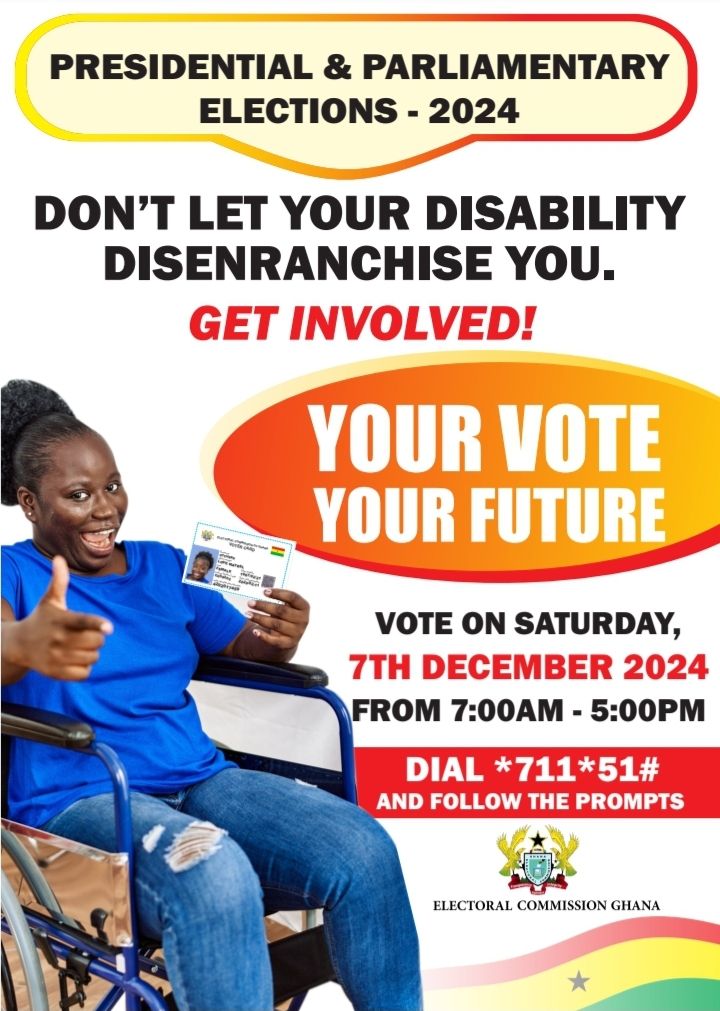
ELECTIONS are the cornerstone of democracy, providing citizens the opportunity to participate in shaping their country’s future. In Ghana, the electoral process has consistently served as a model for many African nations, showcasing transparency and public involvement. Central to this process are eligible voters, whose participation ensures the legitimacy and success of elections. This article explores the eligibility criteria for voters in Ghana, their role in the electoral process, and the challenges they face.

Eligibility Criteria for Voters in Ghana:
The Electoral Commission (EC) of Ghana sets specific requirements for individuals to qualify as eligible voters. According to Ghana’s 1992 Constitution and electoral laws, a person must meet the following criteria to be eligible to vote:
1. Ghanaian Citizenship: Only Ghanaian citizens are eligible to register and vote. Dual citizens may vote, but they cannot run for certain public offices unless they renounce their other citizenship.
2. Age Requirement: An individual must be at least 18 years old on the day of registration to qualify as a voter.
3. Sound Mind: The person must be of sound mind, as certified by law, to ensure they can make informed decisions during elections.
4. Registered Voter: Eligibility also requires registration on the Electoral Commission’s voters’ roll. The registration process involves biometric data capture to minimize fraud.
5. Resident or Ordinarily Resident: Voters must register in the electoral area where they reside or have significant ties.
The Role of Eligible Voters in Ghana’s Electoral Process:
Eligible voters play a critical role in shaping Ghana’s governance and political landscape. By casting their votes, citizens influence:
Presidential Elections: They elect the President of Ghana, the head of state, who leads the country for a four-year term.
Parliamentary Elections: Voters choose Members of Parliament (MPs) to represent their constituencies and legislate on national issues.
Local Government Elections: Citizens vote for district assembly members and unit committee representatives, ensuring local-level representation.
The active participation of eligible voters fosters accountability, transparency, and inclusiveness in Ghana’s democracy.
Challenges Faced by Eligible Voters in Ghana:
While Ghana has made significant strides in strengthening its electoral system, eligible voters still face several challenges:
1. Limited Awareness and Education: Some voters lack understanding of their rights and the voting process, leading to apathy or misinformed decisions.
2. Access to Registration Centres: In remote and underserved areas, the distance to registration or polling centres can discourage eligible voters from participating.
3. Biometric Challenges: The use of biometric verification systems, while reducing fraud, sometimes encounters technical glitches, causing delays during registration and voting.
4. Political Polarization: Intense partisanship can deter some eligible voters from participating, fearing reprisal or intimidation.
5. Youth Apathy: Despite their numbers, young eligible voters often show low participation rates, partly due to disenchantment with the political system.
Improving Voter Participation:
To address these challenges and ensure that eligible voters participate actively, several measures can be implemented:
Enhanced Voter Education: The Electoral Commission, and civil society organizations, especially National Commission for Civic Education (NCCE) should intensify voter education campaigns to inform citizens about their rights and the electoral process.
Improved Accessibility: Establishing more registration and polling centres in remote areas can encourage greater participation.
Technical Support for Biometric Systems: Investing in robust technology and skilled personnel can reduce technical issues during the voting process.
Engaging the Youth: Tailored programmes to involve young voters in politics and governance can boost their participation rates.
Conclusion
Eligible voters form the backbone of Ghana’s electoral process, ensuring that democracy thrives in the country. While the requirements for voter eligibility are clear, addressing the challenges that hinder participation is essential to maintaining a robust and inclusive democratic system. By empowering eligible voters through education, access, and technology, Ghana can continue to set an example for democratic processes across Africa and beyond.
Frank Banor Tetteh, MSc IT – Student & Researcher. (frankbanortetteh@gmail.com).
Source: Nationaltymes.com