

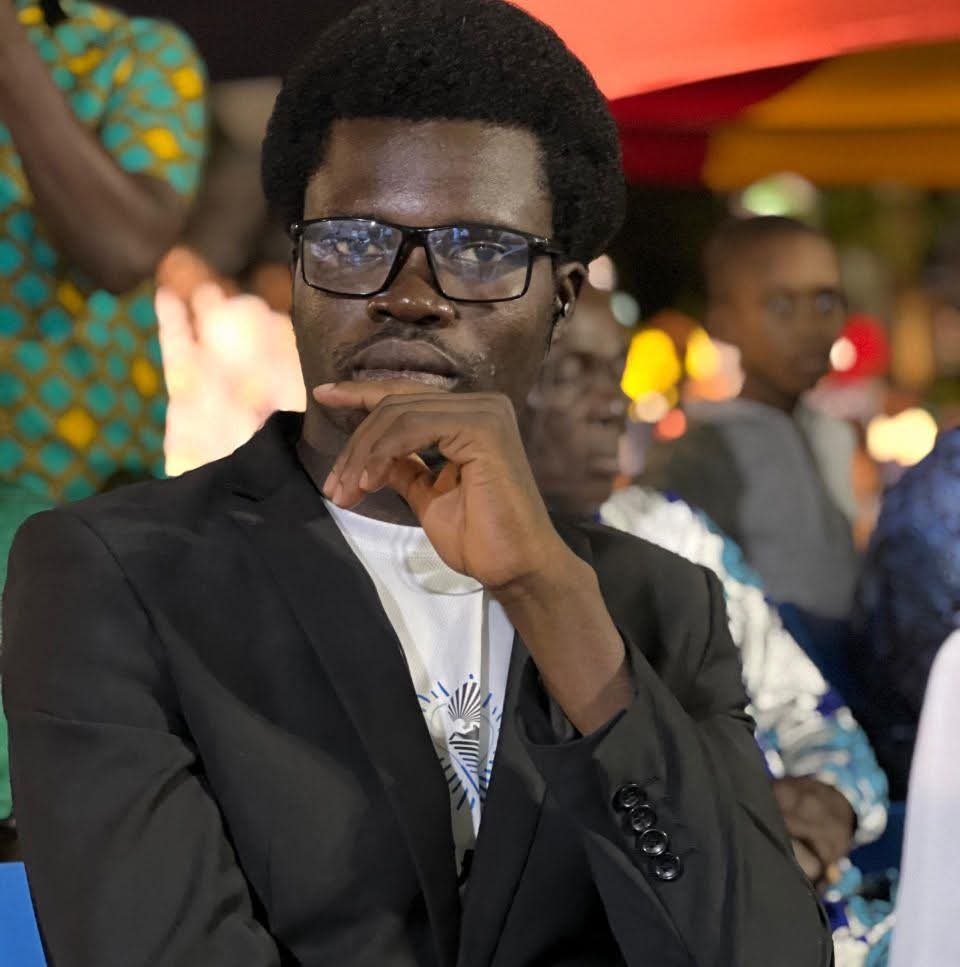
By: Peter Narteh-Agbeyome

THE VERY foundation of Ghana’s democracy, local government, stands at a dangerous crossroads. With District Level Elections facing prolonged delays, Metropolitan, Municipal and District Assemblies (MMDAs) are trapped in a state of administrative paralysis.
This is not merely a case of missed dates on the electoral calendar; it is a growing governance crisis with severe financial and human consequences. Beyond the rising cost of repeated by-elections and interim administrative arrangements lies a deeper problem: a decay at the grassroots, where development stalls, leadership lacks legitimacy, and ordinary citizens bear the cost of a system stuck in limbo.
The 2024 general elections were widely celebrated as a victory for Ghana’s democracy. Yet, as national attention fades, a troubling silence hangs over grassroots governance. Across 180 districts and more than 1,500 polling stations in all 16 regions, local administration has been left without a pulse. What should have been a routine constitutional exercise to fill vacancies in District Assemblies and Unit Committees has instead become a source of frustration, financial hardship, and democratic erosion. The indefinite postponement of these by-elections is not a minor logistical setback; it is a serious threat to Ghana’s decentralisation agenda.
The sequence of events is straightforward. In 2025, the Electoral Commission (EC) scheduled the by-elections for November 11. Aspirants across the country—ordinary citizens motivated by service—filed nominations, printed posters, erected billboards, and engaged their communities. Then, on December 3, 2025, the EC abruptly announced an indefinite postponement, placing the elections “on hold until further notice.” The notice, signed by Deputy Director Fred Tetteh, offered no explanation and no new date. As we enter the final week of January 2026, the Commission’s silence has become deeply unsettling.
For local election aspirants, campaign “resources” are not abstract figures; they represent personal savings, family support, loans, and community contributions. Many candidates have already spent thousands of cedis on campaigns with no clear endpoint. In a democracy that encourages citizen participation, moving the goalposts indefinitely effectively excludes the very people local governance is meant to empower. It is unfair, exhausting, and discouraging to grassroots volunteerism.
Unlike parliamentary candidates, who often rely on party structures and major donors, Assembly and Unit Committee aspirants fund their campaigns almost entirely from personal resources. By the time the postponement was announced, many had already reached peak campaign spending. Seven weeks into 2026, posters are fading, debts are mounting, and hope is thinning. This is not just an administrative delay; it is a financial assault on the grassroots of our democracy.
The economic cost extends beyond individual candidates. When assemblies operate without a full, legally mandated membership, budget approvals, development planning, and internally generated revenue strategies lose momentum and legitimacy. Scarce public funds that should support roads, sanitation, and basic services are instead consumed by the cost of maintaining caretaker systems. In effect, we are paying more to achieve less—an inefficiency that communities can ill afford.
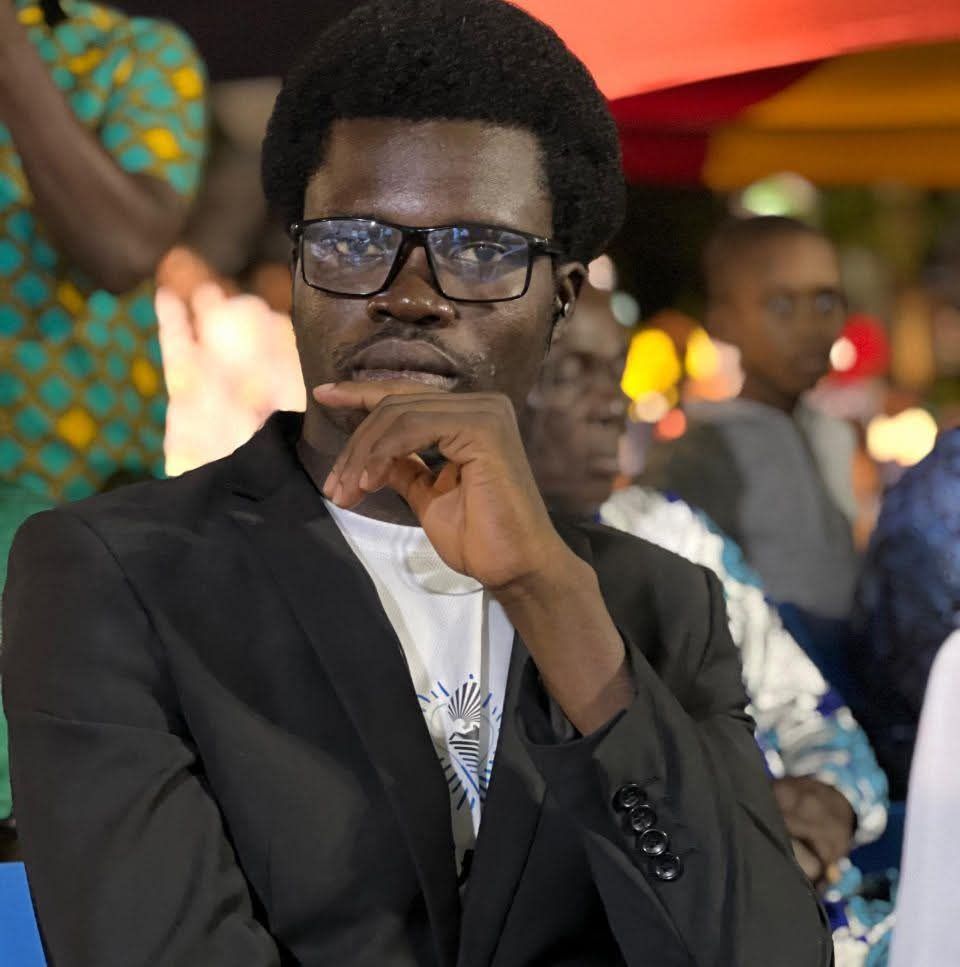
STDA MEMBER | FREELANCER.
More damaging still is the human cost. Governance relies on trust and accountability. When elections are delayed indefinitely, that bond between leaders and citizens is broken. Communities are left without clear representatives to answer for failing infrastructure, poor sanitation, or security concerns. At the district level, uncertainty undermines confidence and planning. Projects stall, participation declines, and the spirit of local democracy weakens.
This crisis falls squarely within the oversight mandate of the Ministry of Local Government, Chieftaincy and Religious Affairs. Hon. Ahmed Ibrahim, sworn into office in January 2025, entered with a reputation as a strong advocate for decentralisation and a promise of a “Local Reset” agenda. But Ghana cannot be reset while more than 1,500 polling stations remain without elected local leadership. Governance cannot be “felt in the lives of ordinary people,” as the Minister himself has argued, when those people have no representatives.
While the EC is constitutionally independent, the Ministry has a moral and administrative responsibility to ensure that local governance structures do not collapse. The Minister’s expertise is well known, and his voice is urgently needed to facilitate dialogue between the EC and the Ministry of Finance to resolve funding and scheduling bottlenecks. Local aspirants and communities should not be treated as secondary priorities in our democratic system.
The Chamber for Local Governance (ChaLoG) has already described the delay as an illegality that undermines the Local Governance Act, 2016. The continued silence from both the EC and the Ministry is deeply troubling. This concern is heightened by the EC’s apparent selective efficiency. While local by-elections remain frozen, a parliamentary by-election in Ayawaso East has been scheduled for March 3, 2026, and preparations are underway to supervise party primaries on January 31, 2026.
Why is high-level politics prioritised while grassroots democracy is neglected? When an electoral area lacks an Assembly Member or Unit Committee, communities lose their most direct advocates for development. This creates a democratic vacuum where the most vulnerable voices go unheard.
The EC’s mandate extends beyond general elections; it exists to keep every layer of Ghana’s democracy functional. The phrase “until further notice” is an insult to candidates who have exhausted their resources and to citizens who remain unrepresented.
I therefore call on EC Chairperson Jean Mensa to publish a clear and definitive timetable for the postponed by-elections without further delay. More importantly, I call on Hon. Ahmed Ibrahim to honour his “Local Reset” commitment. This is the moment to move beyond rhetoric—facilitate the resources, demand the dates, and restore dignity to our local assemblies.
The people are waiting.
The candidates are broke.
And our democracy is at stake.
By Peter Narteh-Agbeyome
STDA Member | Freelancer,
Source: Nationaltymes.com