

Nat’l Tymes News Desk

PARLIAMENT has passed three bills to rename public universities in Ghana — and the move is already stirring strong debate across the country.
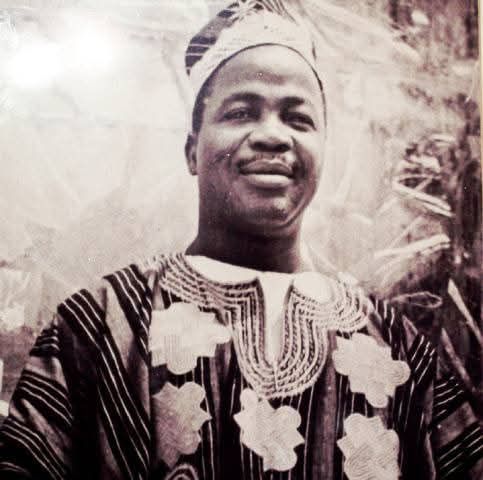
The affected schools are Akenten Appiah-Menka University of Skills Training, C.K. Tedam University of Technology and Applied Science, and S.D. Dombo University of Business Integrated Development.
All three universities were named after leading figures of the Danquah–Dombo–Busia political tradition, a tradition that later gave birth to the New Patriotic Party (NPP).
Akenten Appiah-Menka was a minister under Prime Minister K.A. Busia and later became a founding elder of the NPP.
S.D. Dombo was Ghana’s first official opposition leader and a key northern political figure, whilst C.K. Tedam co-founded the NPP and served as a minister and Council of State member. These were not neutral historical figures.
They were deeply political — and closely tied to one party. So the big question many Ghanaians are asking is simple: Was it right for the NPP to name public universities after its own political figures in the first place?
Critics say the answer is no.
According to them, the universities were not built by these individuals, and naming state-funded institutions after party heroes amounts to political branding with public resources.
Some argue that if the NPP wanted to honour its founding members, it should have done so by building new universities and naming them accordingly — not renaming existing public institutions.
Others point out the double standard:
If naming universities after politicians is acceptable, why didn’t past leaders like Jerry John Rawlings name the University for Development Studies after themselves?
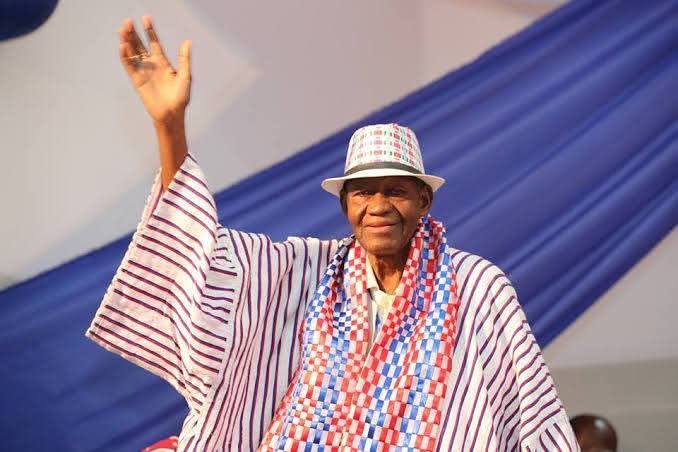
The schools existed and functioned well before the name changes. Students were learning. Lecturers were teaching. Nothing was broken.
So why the rush to rename them — and now the rush to undo it?
Supporters of the current renaming say the move is about cleaning up Ghana’s educational history and removing partisan influence from national institutions. They argue that universities should reflect national heritage, not party loyalty.
They also question why other major national figures such as Paa Grant and many non-partisan contributors to Ghana’s development were overlooked, while NPP founders were given such prominent honours.
In the end, this debate is not just about names.
It is about who controls national memory, who gets honoured, and whether public institutions should ever be used for party politics. As Parliament’s decision takes effect, one thing is clear.
Source: Nationaltymes.com