

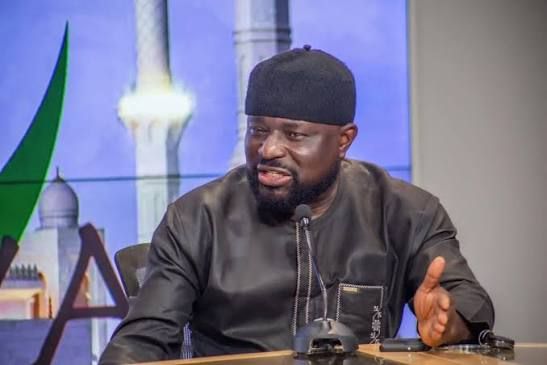
By Mohammed Amin Lamptey Hussein

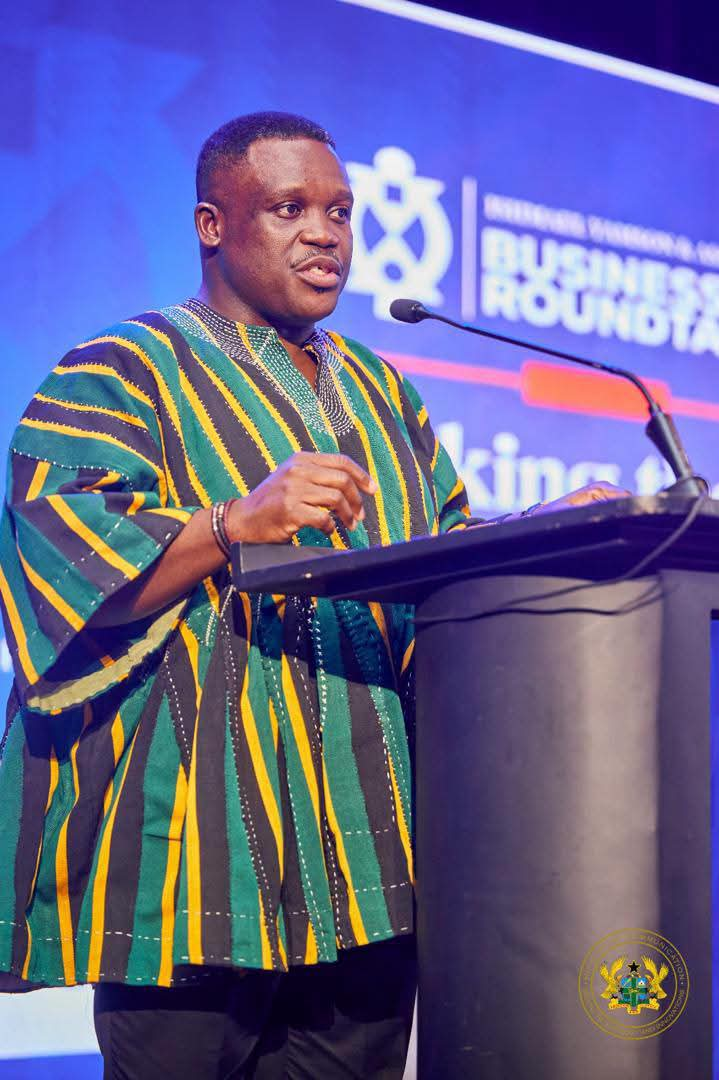
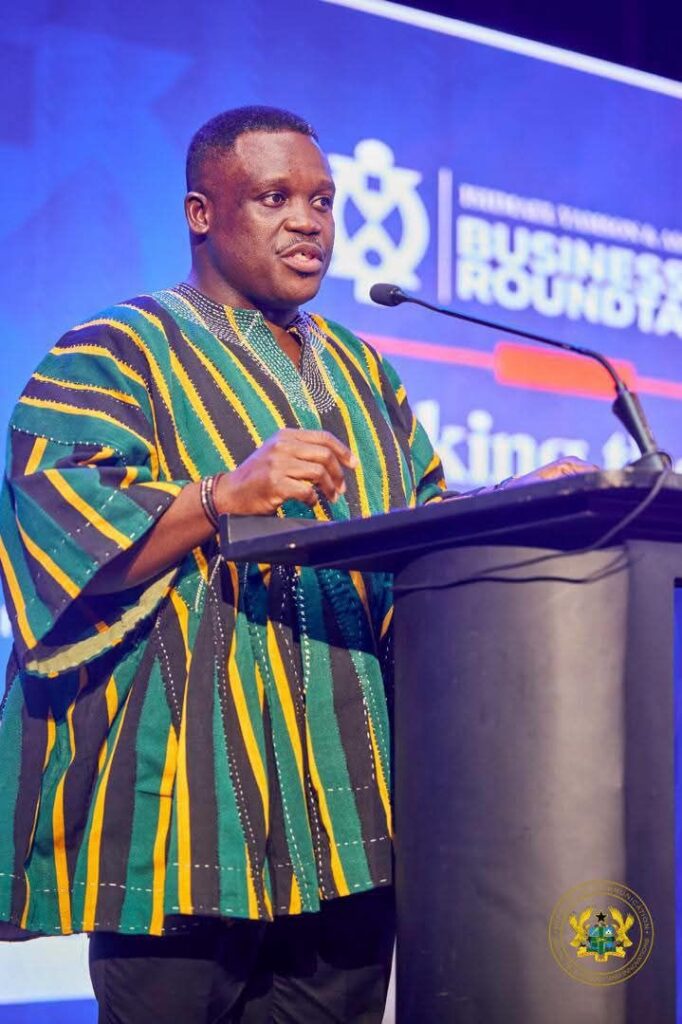
THE Minister for Communication, Digital Technology and Innovations, Hon. Samuel Nartey George, has said what many of us in the media have been afraid to say. He described Ghana’s broadcasting space as “media tyranny” and not media freedom.
His question is simple: How can a country like Ghana have almost 700 radio stations and over 120 television stations?
As a broadcaster with almost 30 years experience, I fully support the Minister. His statement is timely, courageous and thought-provoking.
Why do we have so many stations?
Three main reasons:
1. To promote diversity: More stations can give voice to different people, languages and cultures.
2. For business: Many private owners set up stations just to make money from advertising.
3. For politics: Some politicians set up stations to control public opinion and promote their own agenda.
This has led to a big debate: Does having many stations promote real media freedom, or does it destroy quality?
In Ghana, most stations are in Accra. Rural areas have little local content. Many stations cannot make enough money, so they show cheap foreign telenovelas and repeat programmes instead of quality news and investigations.
In developed countries, government strictly controls the airwaves. The electromagnetic spectrum is limited. If everyone is allowed to broadcast, there will be interference. So regulators license stations and control who can broadcast. That is not happening effectively in Ghana.
The negative effects of too many stations in Ghana:
1. Poor content: Stations don’t have money to produce quality programmes. They resort to sensationalism and cheap foreign content.
2. No money: Many stations cannot pay journalists well. This is why some journalists leave the profession or look for other means to survive.
3. Fake news and insults: To attract viewers, many programmes like ‘Fire for Fire’ rely on insults, sensationalism and unverified information. This misleads the public.
4. Loss of our culture: Cheap foreign content is pushing our local languages and values to the background.
5. Political polarization: When politicians own stations, they create echo chambers that divide the country.
The few benefits:
It breaks government monopoly, creates jobs for journalists and technicians, allows for niche programmes like farming or health, and forces some stations to be innovative.
What should we do?
Ghana must find a balance between freedom of expression and proper regulation. The Ministry and the National Communications Authority (NCA) must be firm. We need to enforce ethical standards, ensure fair competition, and check who owns a station.
If we fail to regulate, quantity will continue to destroy quality. Our airwaves will continue to be taken over by unqualified people feeding Ghanaians with poisonous content.
Hon. Sam George has put the issue on the table. Now is the time to act.
Source: Nationaltymes.com