


By: Orison Delali Afflu

THE traditional role of trade associations has been to protect members against unfavourable policies, taxation, foreign competition and regulatory challenges. Those responsibilities are legitimate, but they are only one dimension of what associations can achieve.
Imagine an association with 10,000 members, each contributing GH₵1,000 monthly into a professionally managed investment vehicle. That is GH₵10 million a month, GH₵120 million a year, and GH₵600 million in gross contributions in five years, even before investment returns.
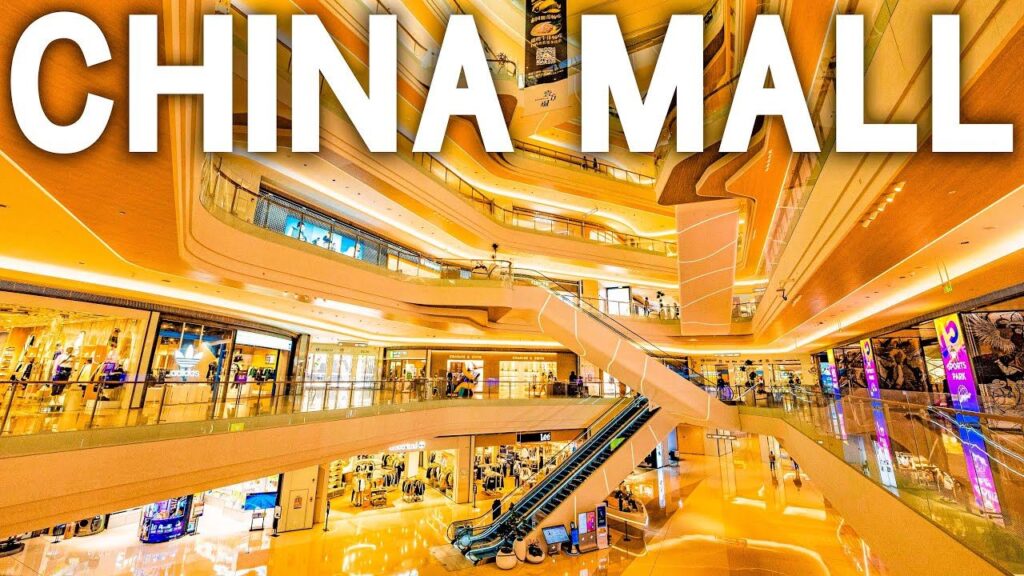
With that capacity, an association could build modern shopping malls, wholesale distribution centres, logistics companies, warehouses and manufacturing businesses.
Instead, many members still operate alone, competing against one another, buying through many intermediaries and struggling with the same problems every year.
The lesson from Chinese commercial enterprises is not about nationality. It is about scale, coordination and systems. Successful large enterprises coordinate capital, purchasing, logistics, infrastructure and management. They know that advantage comes not only from selling, but from controlling the systems that make selling possible.

Why should 500 spare parts dealers each struggle to import small consignments when they could jointly own a large importing and distribution company? Why should thousands of traders rent expensive shops for life when they could become shareholders in the properties they trade from?
GUTA has the opportunity to lead this transformation. A GUTA Investment and Development Company, created as a separate, professionally governed entity in which members voluntarily buy shares, could develop malls in Accra, Kumasi, Takoradi, Tamale and other commercial centres.
Traders would become shareholders, not lifelong tenants. The company could centralise procurement, negotiate directly with manufacturers, operate warehouses and build Ghanaian retail brands. With economies of scale, members could cut costs and compete more effectively on price.
That is how we move from fragmented trading to organised commercial power.
Source: Nationaltymes.com