

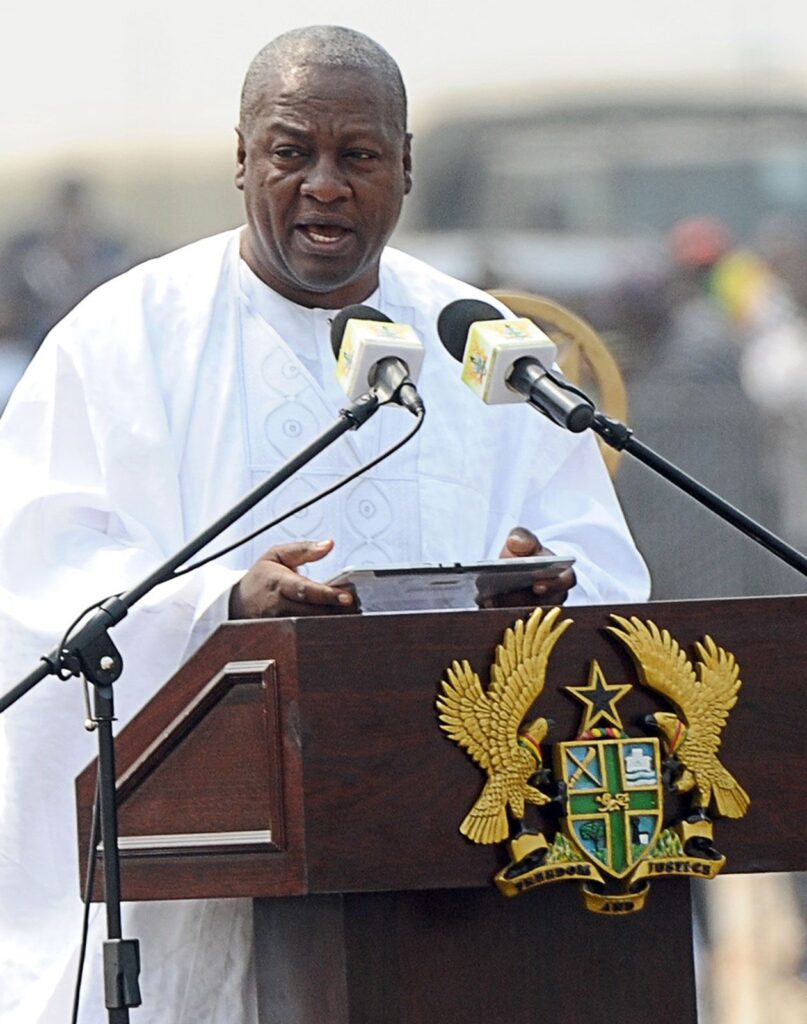
GHANA has officially launched the highly anticipated 24-Hour Economy and Accelerated Export Development Programme, aimed at transforming the country’s economic landscape, creating jobs, boosting exports and driving inclusive growth.

The ceremony, graced by President John Dramani Mahama, Vice President Naana Jane Opoku-Agyemang, and key national stakeholders, marks the beginning of an ambitious journey to make Ghana’s economy run around the clock.
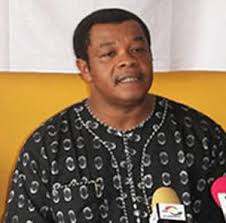
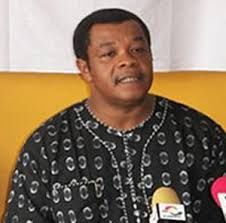
Delivering remarks at the launch, Augustus Obuadum Tanoh, Presidential Advisor, explained that the comprehensive programme is designed to overhaul Ghana’s production and export capacity while generating sustainable jobs, particularly for the youth.
What the 24H+ Programme Entails
According to Mr. Tanoh, the 24-Hour Economy is structured into nine detailed documents: a Full Report and eight specialised sub-programmes, namely:
● Grow24 (Agriculture and food security)
● Make24 (Manufacturing and industrialisation)
● Build24 (Construction and infrastructure)
● Show24 (Tourism, culture, and creative economy)
● Connect24 (Logistics, transport, and digital infrastructure)
● Fund24 (Innovative financing and investment models)
● Aspire24 (Community mobilisation and civic renewal)
● Go24 (Export development and global market integration)
The Full Report contains the entire programme, while each sub-document provides detailed insights into specific sectors. Abridged versions and digital content are being prepared to make the programme accessible to the general public.
Next Steps: From Paper to Action
Mr. Tanoh outlined an aggressive implementation roadmap:
50 commercial, institutional and social projects are planned, with 20 priority projects already undergoing concept development.
These concept notes will be published online to engage investors, entrepreneurs, civil society organisations, government agencies, traditional leaders and youth groups.
A key priority is aligning the 24H+ projects with existing government programmes to avoid duplication and enhance synergy, especially in sectors like textiles, fabrication and energy.
Investor Incentives on the Horizon
The team is working with the Ministry of Finance to finalise a 24H+ incentive package designed to attract investors. Mr. Tanoh stressed that this package will eliminate unnecessary bureaucracy, offer clarity on entitlements and automate processes to foster transparency and efficiency.
Focus on Financing, SMEs, and Skills
The government plans to operationalise an SME On-lending Platform and a Value Chain Lending Scheme, in partnership with the Development Bank of Ghana (DBG), Venture Capital Trust Fund (VCTF), Exim Bank, and under the guidance of the Bank of Ghana. These facilities aim to unlock affordable financing for small businesses and entrepreneurs.
At the same time, the programme will map out capacity-building needs for cooperatives, businesses, policymakers and regulators to ensure that all players are equipped for this economic shift.
People-Centered Transformation
Mr. Tanoh emphasised that the Aspire24 and Go24 components, focusing on grassroots mobilisation and civic renewal, are at the heart of the programme. These will empower communities to self-organise, address local challenges, fight corruption, improve services and participate meaningfully in the economy and governance.
Legal Transition Imminent
The 24H+ Secretariat, which currently operates under the Office of the President, is set to transition into an independent statutory body. Discussions with the Attorney General and the Ministry of Justice are ongoing to draft the necessary legislation.
Acknowledging the Pillars Behind the Programme
Mr. Tanoh expressed deep appreciation to various contributors:
● President Mahama, whose vision inspired the programme.
● The NDC’s 2024 Manifesto Committee, led by Prof. Danso-Boafo, which provided foundational analysis.
● Ghanaian entrepreneurs and producer associations such as AGI, FAGE, GUTA, GAWU, and PFAG, whose real-world experiences shaped practical solutions.
● Development partners including UNDP, WFP, UNIDO, UNCDF, UN Women, UNESCO, DFIs, and financial institutions like the IFC, AfDB, BADEA, and Saudi Agricultural and Livestock Investment Company.
● Local financial institutions – GIIF, DBG, and Exim Bank – along with supportive governments and agencies from the UK, Italy, Australia, China and foundations like the Mastercard Foundation.
● The leadership of the security services, whose involvement ensures that the programme advances without compromising national stability.
A Call for Collective Action
“The road ahead is long but promising,” Mr. Tanoh said, underscoring that the programme is a living, flexible blueprint, open to criticism, suggestions and constant updates to adapt to the evolving economic landscape.
“This is just the beginning. The social and political costs of inaction are dire, but the upside of bold, decisive action is transformative,” he declared, adding that Ghana’s resilient people, under strong leadership, are capable of achieving this ambitious goal.
As the nation steps into a 24-hour economy era, the challenge now shifts from design to delivery – with the hope that this bold strategy will reshape Ghana’s economic future for generations.
Source: Nationaltymes.com