


Nat’l Tymes News Desk

BRIBERY remains one of the most serious threats to democratic elections in Ghana. It involves the illegal or unethical giving, receiving, or soliciting of money, gifts, or favours to gain political or official advantage, undermining fairness, honesty, and integrity in the electoral process.
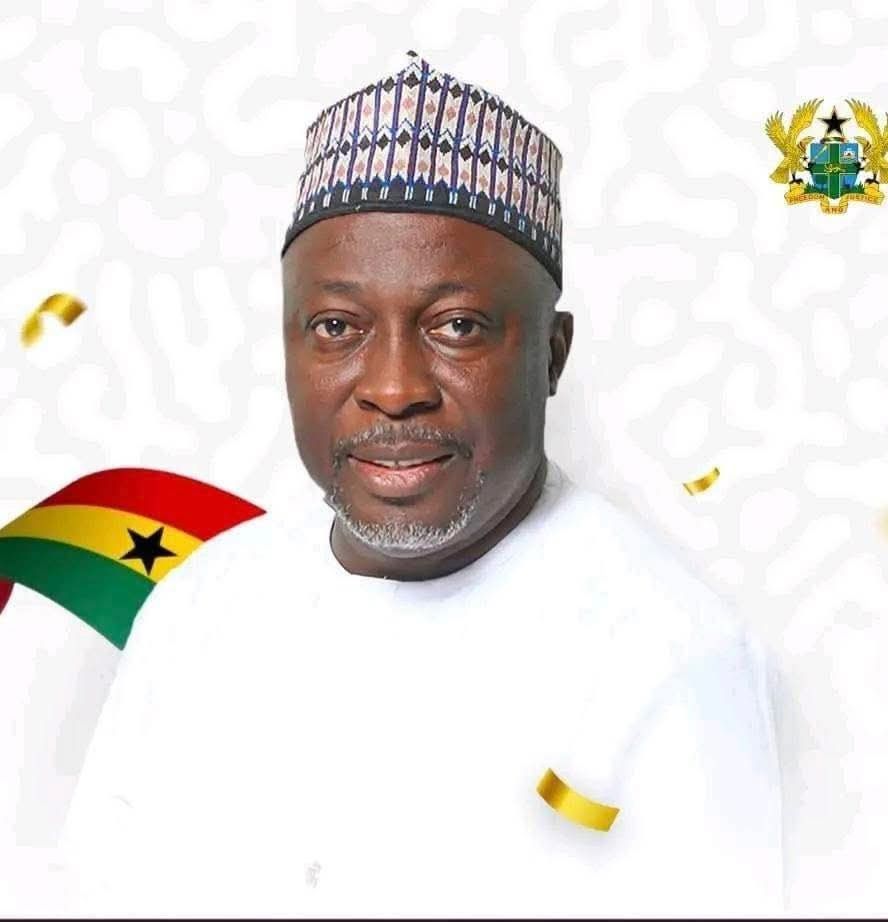
In a statement, Political Communication and Marketing Expert Mohammed Amin Lamptey stressed that not all incentives amount to bribery. He explained that gifts or benefits offered equally to everyone, without dishonest intent, are lawful, just as general discounts or rebates available to all consumers are not corrupt practices.
According to him, bribery in Ghanaian elections is well documented, particularly during parliamentary primaries and by-elections. Vote-buying often takes the form of cash payments, gifts, or favours given to delegates and voters.
Political analysts frequently describe this practice as “monetary inducement,” warning that it weakens democratic values and turns elections into financial transactions rather than contests of ideas, competence, and leadership.
Recent events have renewed public concern. During the NDC parliamentary primaries in the Ayawaso East Constituency in February 2026, allegations of widespread vote-buying emerged, with claims that delegates received cash and other items.
Although party leadership condemned the alleged acts, H.E. Baba Jamal, Ghana’s High Commissioner to Nigeria, won the primaries and is expected to contest the by-election scheduled for March 4, 2026.
Similarly, during the Ejisu by-election in May 2024, the Member of Parliament for Kwadaso, Dr. Kingsley Nyarko, was captured on video allegedly distributing envelopes containing money to Electoral Commission staff.
The incident led to the withdrawal of the officials involved and an investigation by the Office of the Special Prosecutor. These cases highlight broader concerns about internal party primaries within Ghana’s two major political parties, the NPP and the NDC.
The high cost of competing in delegate-based elections has placed increasing attention on the role of money in politics, especially following the NPP presidential primaries that elected Dr. Mahamudu Bawumia as flag bearer for the 2028 general elections.
Critics argue that the delegate system encourages corruption, as the most direct forms of bribery often occur during party primaries rather than general elections. Although Ghana’s Criminal Offences Act criminalises corruption, weak enforcement has fueled calls for stricter penalties and tougher action against electoral bribery.

Bribery, they say, undermines democratic consolidation, promotes a “winner-takes-all” mentality, and allows wealth to overshadow merit and competence. Candidates who spend heavily to win elections often attempt to recover their costs through corrupt practices in office, weakening accountability and public service delivery.
Electoral bribery also affects governance and business, as individuals or corporations may offer inducements in exchange for government contracts or regulatory favours, distorting competition and disadvantaging law-abiding businesses. Because bribery is often subtle, whistleblowers remain crucial in exposing these practices.
In many communities, economic hardship makes voters vulnerable to inducements such as cash, food, clothing, or promises of future rewards. As campaign costs continue to rise, elections risk becoming financial investments rather than platforms for public service.
Globally, electoral bribery is treated as a serious crime, punishable by imprisonment, fines, and disqualification from public office. While the secret ballot remains a key safeguard, recent trends show that money continues to influence elections in many countries.
Politics may be uncertain by nature, but when money becomes the deciding factor, democracy itself is placed at risk.
Source: Nationaltymes.com